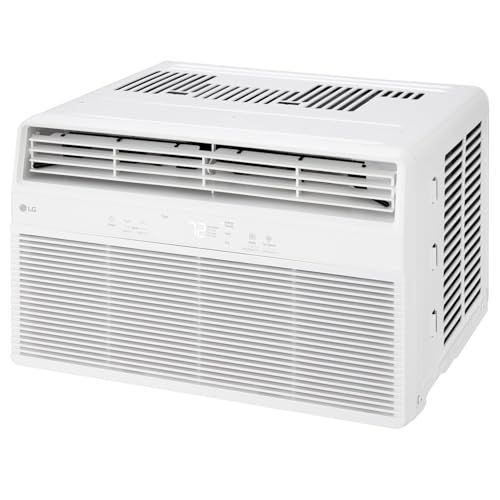
10,000 BTU Window Air Conditioner on Sale: The Complete Buyer's Guide
Everything you need to know before choosing a 10,000 BTU window air conditioner — from room sizing and efficiency ratings to installation and long-term performance.
Explore Recommended UnitsQuick Summary: A 10,000 BTU window air conditioner is a mid-range cooling solution designed for rooms roughly 350 to 450 square feet. It balances strong cooling output with a window-mount design that avoids ductwork. This guide covers sizing accuracy, efficiency metrics, installation considerations, and the features that separate entry-level units from premium models — so you can choose confidently.
Why a 10,000 BTU Window Unit Deserves Serious Consideration
Window air conditioners remain one of the most practical cooling options for single rooms, apartments, and homes without central ductwork. The 10,000 BTU class sits in a sweet spot: it delivers noticeably more cooling power than compact 5,000–8,000 BTU units while remaining manageable for standard double-hung windows. For households that need to cool a living room, a large bedroom, or an open-plan studio, this capacity class often hits the right balance between performance and physical size.
Unlike portable units, a window air conditioner mounts directly in the window frame, which keeps the compressor and condenser outside the conditioned space. This design typically produces quieter operation and avoids the floor-space trade-off that portable models require. If you are comparing form factors, our guide on space-saving air conditioner options explains how window and through-the-wall designs differ in footprint and installation effort.
How to Confirm 10,000 BTU Is the Right Capacity
Capacity is the single most important decision in window AC selection. An undersized unit runs continuously and struggles to reach the set temperature, while an oversized unit cools too quickly and cycles on and off, leaving humidity behind and causing uneven comfort. The 10,000 BTU window air conditioner class is generally appropriate for:
- Rooms between approximately 350 and 450 square feet with standard ceiling height
- Spaces with average sun exposure and moderate insulation
- Living rooms, large bedrooms, and open studios
- Areas where a single-zone cooling solution is sufficient
Adjustments matter. South-facing rooms with large windows, kitchens, and spaces with poor insulation may need a higher capacity. Rooms with heavy shade or top-floor placement in mild climates may perform well with a slightly smaller unit. For a deeper breakdown of sizing logic, read our guide on 10,000 BTU air conditioner room size and the broader walkthrough on how to size an air conditioner.
Sizing Tip: Measure the room's length and width, then multiply to get square footage. Account for sun exposure, window area, occupancy, and heat-generating appliances. When in doubt, lean slightly higher in capacity rather than lower — but avoid jumping to 12,000 BTU unless the room genuinely exceeds the 10,000 BTU range.
Efficiency Ratings That Matter for a 10,000 BTU Window AC
Efficiency determines how much electricity the unit consumes to deliver its rated cooling output. For window air conditioners, the key metric is the CEER (Combined Energy Efficiency Ratio), which replaced the older EER rating under updated DOE standards. A higher CEER means more cooling per unit of electricity.
Within the 10,000 BTU window air conditioner category, you will encounter three broad efficiency tiers:
- Essential tier: Meets baseline federal efficiency standards. Suitable for occasional use and milder climates.
- Balanced tier: Offers improved efficiency and often includes eco modes, programmable timers, and better insulation. A solid choice for daily seasonal use.
- Top-tier: Features the highest efficiency ratings in the class, inverter-driven compressors in some models, and advanced sensors. Best for households that run the unit heavily through hot months.
If long-term energy performance is a priority, models with an ENERGY STAR certification for 10,000 BTU air conditioners are worth prioritizing. You can also explore the general explainer on SEER ratings to understand how efficiency metrics compare across AC types.
Key Features to Compare Across 10,000 BTU Window Units
Once capacity and efficiency are settled, feature differences determine day-to-day satisfaction. The table below compares common feature categories across market tiers — without referencing any specific figures or commercial terms.
| Feature Category | Entry-Level Tier | Mid-Range Tier | Premium Tier |
|---|---|---|---|
| Controls | Mechanical dials or basic buttons | Digital display with remote | Digital with app or smart-home integration |
| Operating Modes | Cool, fan | Cool, fan, dry, eco, sleep | Full mode suite with adaptive scheduling |
| Air Direction | Manual louvers | 4-way adjustable airflow | Motorized or oscillating airflow |
| Filtration | Basic washable filter | Washable filter with dust screen | Multi-stage filtration with filter alert |
| Noise Level | Standard compressor noise | Improved fan and compressor insulation | Quiet-mode engineering and vibration damping |
| Installation Hardware | Basic mounting kit | Reinforced bracket and window kit | Heavy-duty bracket with sealing accessories |
Tier descriptors reflect relative market positioning and feature depth, not commercial figures.
Installation and Window Compatibility
A 10,000 BTU window unit is heavier and physically larger than compact models, so installation planning matters. Before purchasing, confirm:
- Window type and width — double-hung windows are the most compatible
- Weight support — larger units may require an external support bracket
- Electrical circuit — most 10,000 BTU window units run on 115V circuits, but confirm amperage requirements
- Clearance for airflow around the outdoor section
- Sealing accessories to prevent air leaks around the window frame
For casement-style windows, standard window units will not fit; specialized casement models are required. If your window setup is unusual, review the guide on 10,000 BTU casement window air conditioners. Homeowners who prefer a permanent wall opening may also consider 10,000 BTU through-the-wall air conditioners.
Professional installation is recommended for heavier units, and understanding window AC installation considerations helps set realistic expectations. General HVAC installation guidance also covers safety and code considerations.
Noise, Maintenance, and Long-Term Reliability
Window air conditioners produce two primary noise sources: the compressor and the fan. Mid-range and premium 10,000 BTU models typically invest in vibration isolation and quieter fan blades, which noticeably improve comfort in bedrooms and living areas. If quiet operation is a priority, compare sound ratings carefully and consider units marketed with dedicated quiet modes.
Maintenance is straightforward but essential. Clean or replace the filter every two to four weeks during heavy use, inspect the outdoor coils seasonally, and ensure the unit is properly sealed in the window frame. Regular HVAC cleaning and service extends compressor life and maintains efficiency. If the unit ever runs without blowing air, our troubleshooting guide on an air conditioner running but not blowing air walks through common causes.
For households seeking additional features such as heating capability, explore 10,000 BTU window air conditioners with heat. Those needing quieter performance and higher efficiency may prefer a ductless approach — see the comparison of U-shaped window air conditioners and mini-split systems without a heat pump.
Window AC vs. Alternative Cooling Solutions
Before finalizing a window unit, consider how alternatives compare for your space:
- Portable AC: Flexible placement but typically louder and less efficient; requires venting through a window or wall.
- Mini-split: Quieter and more efficient, but requires professional installation and higher upfront investment.
- Central AC: Best for whole-home cooling, but requires ductwork and significant installation scope.
If you are evaluating broader home cooling, the whole-house AC system guide provides context. For supplemental cooling in specific rooms, a window unit remains one of the most direct solutions.
Frequently Asked Questions
What size room does a 10,000 BTU window air conditioner cool?
Typically 350 to 450 square feet, depending on ceiling height, insulation, sun exposure, and occupancy. Rooms with large windows or direct sunlight may require a higher capacity.
Is a 10,000 BTU window AC enough for a living room?
For average-sized living rooms within the 350–450 square foot range, yes. Open floor plans or rooms with high ceilings may benefit from a higher-capacity unit or a secondary cooling source.
Does a 10,000 BTU window AC run on standard household voltage?
Most 10,000 BTU window units operate on 115V circuits. Always confirm the unit's electrical requirements and ensure the circuit can handle the amperage before installation.
How often should the filter be cleaned?
Every two to four weeks during active cooling season, or more frequently in dusty environments. A clean filter maintains airflow and efficiency.
Can a 10,000 BTU window unit be installed in a casement window?
Standard window units are designed for double-hung windows. Casement windows require specifically designed casement air conditioners.
Related Guides for Further Research
- 10,000 BTU Air Conditioner Room Size
- 10,000 BTU ENERGY STAR Air Conditioner
- 10,000 BTU Window Unit Air Conditioner
- 10,000 BTU Window Air Conditioner Overview
- 10,000 BTU Window AC with Heat
- 10,000 BTU Through-the-Wall Air Conditioner
- 10,000 BTU Casement Window Air Conditioner
- U-Shaped Window Air Conditioner
- How to Size an Air Conditioner
- HVAC Cleaning and Service