14000 BTU Window Air Conditioner: Complete Buyer's Guide
Everything you need to know before choosing a 14000 BTU window AC unit — room sizing, efficiency ratings, installation requirements, and the features that matter most for large-room cooling.
Start Reading14000 BTU Window AC at a Glance
- Designed for rooms roughly 550–700 square feet
- Typically operates on 115V household current
- Commonly weighs 80–110 pounds
- Often requires a dedicated 15A or 20A circuit
- Best suited for large bedrooms, living rooms, and open-plan spaces
- Available in cooling-only and heat-pump variants
What Is a 14000 BTU Window Air Conditioner?
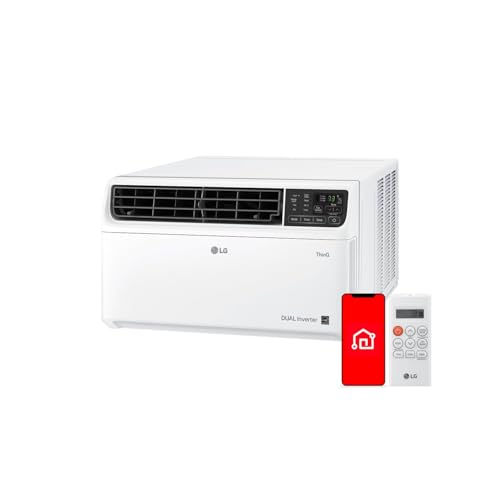
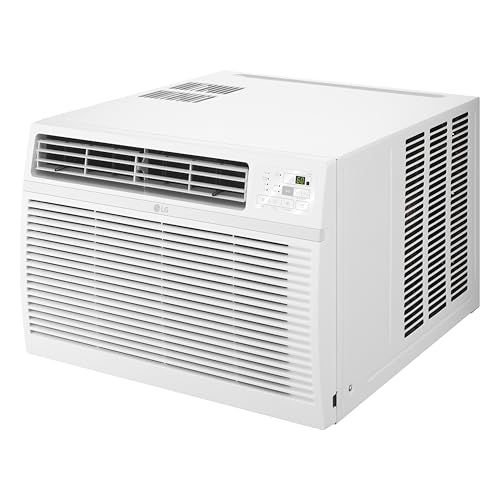
A 14000 BTU window air conditioner is a self-contained cooling unit designed to be mounted in a standard double-hung or slider window. With a cooling capacity of 14,000 British Thermal Units per hour, it sits at the upper end of the residential window AC category — significantly more powerful than the compact 5,000–8,000 BTU models commonly used in bedrooms, yet more manageable than the largest 24,000 BTU window units.
This capacity class is the sweet spot for homeowners who need to cool a large single room without committing to a ducted central system or a wall-mounted mini-split. Unlike 8,000–10,000 BTU models that struggle in open layouts, a 14000 BTU unit can handle the thermal load of a large living area, a master bedroom with vaulted ceilings, or an open-plan kitchen-dining space.
Window units in this class typically use a rotary or scroll compressor and a single or dual fan motor. Many current models are inverter-driven, meaning the compressor can modulate its speed instead of cycling on and off, which improves both comfort and energy performance. If you are unfamiliar with the difference, our guide on how air conditioner efficiency works is a useful primer before comparing models.
It is also worth noting what a 14000 BTU window unit is not. It is not a whole-home solution. If your goal is to cool multiple rooms or an entire floor, a 18,000–24,000 BTU system or a central air setup would be more appropriate. The 14000 BTU window AC is a targeted, single-room appliance — and it excels when sized correctly for the space it serves.
Room Sizing: How Much Space Does 14000 BTU Cool?
The standard rule of thumb is that 14,000 BTU handles roughly 550 to 700 square feet. But that figure assumes an average ceiling height of about 8 feet, standard insulation, and moderate sun exposure. Real-world performance depends on several variables that can shift the effective capacity up or down by 20 percent or more.
Use the table below as a starting framework, then adjust for your specific room conditions.
| Room Condition | Effect on Capacity | Practical Guidance |
|---|---|---|
| Standard ceiling (8 ft), average insulation | Baseline | 550–700 sq ft is a reasonable target |
| High ceiling (10 ft or more) | Reduces effective coverage | Consider stepping up to 15,000 BTU or improving air circulation |
| Large windows with direct sun | Reduces effective coverage | Use blinds or shade; expect closer to 550 sq ft |
| Poor insulation or older construction | Reduces effective coverage | Seal gaps and consider a higher-capacity model |
| Well-insulated, shaded room | Increases effective coverage | May comfortably handle up to 700 sq ft |
| Kitchen or room with heat-generating appliances | Reduces effective coverage | Add capacity for cooking equipment and occupancy |
For a more precise calculation, our guide on BTU calculation by room size walks through the step-by-step formula. The short version: multiply room square footage by 20 to 25 BTUs, then add adjustments for sun exposure, occupancy, and heat-generating appliances. A 600 square foot room with average conditions typically lands right in the 14,000 BTU range.
One common mistake is oversizing. A 14000 BTU unit in a 300 square foot room will cool quickly but cycle frequently, which hurts efficiency and dehumidification. If your space is smaller, a 12,000–14,000 BTU unit or an 8,000–10,000 BTU model may be the better match. Conversely, if your room is closer to 800 square feet, a 18,000 BTU window unit is likely the more honest choice.
Efficiency Ratings: What to Look For
Window air conditioners are rated using CEER (Combined Energy Efficiency Ratio) for most current models, though older listings may still use EER. The higher the number, the more cooling you get per unit of electricity. For 14000 BTU window units, a CEER around 11 to 12 is common among mainstream models, while inverter-equipped units and premium designs can push higher.
Efficiency matters more in this capacity class than in smaller units because the unit runs longer and draws more current. Over a full cooling season, the difference between a lower-rated and higher-rated model compounds. Our overview of SEER, EER, and HSPF ratings explains how these metrics relate to real-world performance.
If you are shopping for a unit that will see heavy seasonal use, prioritize models with:
- Inverter compressors — modulate speed for steadier temperatures and lower energy draw. See our comparison of 14000 BTU inverter window units for context.
- ENERGY STAR certification — indicates the unit meets or exceeds federal efficiency thresholds for its class.
- Eco or energy-saver modes — cycle the fan or compressor when the room reaches the set temperature.
- Programmable or smart thermostats — reduce runtime during unoccupied hours. Related reading: AC with Wi-Fi and smart control.
It is also worth checking the unit's annual energy use estimate on the yellow EnergyGuide label. This gives a more realistic picture than the CEER number alone, because it accounts for typical usage patterns.
Features That Matter in a 14000 BTU Window Unit
At this capacity level, the feature set separates a good unit from a great one. Here are the features worth prioritizing, roughly in order of practical impact.
Cooling Modes and Fan Speeds
Look for at least three fan speeds (low, medium, high) and distinct cooling, fan-only, and dehumidification modes. A dedicated dry mode is particularly useful in humid climates, where a window AC's dehumidification performance matters as much as raw cooling.
Noise Level
Larger window units are inherently louder than small ones because the compressor and fan move more air. Measured in decibels, a quiet 14000 BTU unit might run around 55–60 dB on low and 62–66 dB on high. If the unit will be in a bedroom or home office, check the dB rating carefully. Our guide to quiet air conditioners covers what to look for.
Remote Control and Programmability
A remote control is standard on most units in this class, but programmable timers and 24-hour on/off scheduling add real convenience. Some models include a follow-me remote that senses temperature at the remote's location rather than at the unit, which improves comfort in larger rooms.
Filtration and Air Quality
Washable mesh filters are standard. Some units add additional filtration stages or ionizers. If air quality is a priority, explore models that combine cooling with filtration — see our article on AC units with air purifiers for guidance.
Heating Capability
Some 14000 BTU window units include a heat pump or electric heating element, turning them into year-round appliances. These are useful in mild climates or as supplemental heat. Our guide to combination AC and heater window units explains the trade-offs.
Installation-Friendly Design
Larger window units benefit from features like slide-out chassis, included window brackets, and accordion side panels. These details make installation and seasonal removal far easier, which matters when the unit weighs closer to 100 pounds.
Installation Requirements for 14000 BTU Window AC
Because of their size and weight, 14000 BTU window units have more demanding installation requirements than smaller models. Planning ahead prevents safety issues, vibration, and premature wear.
Window Type and Opening Size
Most units are designed for double-hung windows with a minimum opening width of 26 to 28 inches and a minimum height of 16 to 18 inches. Slider windows may work with the right bracket kit, but always check the manufacturer's specified window dimensions before purchasing. Casement windows generally require a specialized kit or are not compatible.
Electrical Requirements
Most 14000 BTU window units run on 115V and draw around 12 to 15 amps. A dedicated 15A or 20A circuit is strongly recommended. Sharing a circuit with other appliances can cause nuisance breaker trips and, in worse cases, overheating. If your home's wiring is older or you are unsure about the circuit, consult a licensed electrician. Our guide on 110V versus 240V AC units explains voltage considerations in more detail.
Support and Bracing
A 14000 BTU unit can weigh 80–110 pounds. Manufacturer-supplied support brackets are essential and should be installed according to instructions. Do not rely on the window sill alone to carry the load. Proper outdoor bracing also reduces vibration, which prolongs compressor life.
Placement and Clearance
Keep the outdoor portion of the unit clear of obstructions for proper heat rejection. Avoid locations where recirculation of hot exhaust air is likely, such as deep recesses or alcoves. For indoor placement, ensure the airflow path is unobstructed by furniture or curtains.
Safety note: Window AC units can fall if improperly supported. Always use manufacturer-approved brackets and follow the installation manual. If you are not comfortable installing a heavy unit, hire a professional. Our guide on companies that install window air conditioners can help you find local help.
Product Tiers and Market Positioning
14000 BTU window air conditioners span several market tiers. Understanding where a model sits helps you compare fairly without relying on price alone. We use three broad descriptors below, consistent with how the category is positioned in the market.
Essential Tier
Basic cooling-only units with mechanical or simple electronic controls, standard fan speeds, and a washable filter. These models are straightforward, reliable, and well-specified for the essentials. Best for buyers who want a dependable single-room cooling solution without extra features.
Balanced Tier
Units with digital controls, remote programming, multiple fan speeds, eco modes, and improved filtration. Many inverter models sit here, offering quieter operation and steadier temperatures. This tier typically delivers the best balance of features, efficiency, and build quality for most households.
High-End Tier
Flagship window units with advanced inverter compressors, low-noise designs, smart-home connectivity, follow-me remotes, and premium materials. These are best for buyers who prioritize quiet operation, refined climate control, and long-term efficiency over the essentials.
Within each tier, look for models with solid build quality, clear warranty terms, and a track record of reliability. Our overview of air conditioner brands and HVAC manufacturers is useful background if you are comparing brand reputations across the category.
One useful comparison point: entry-level units tend to have simpler on/off compressors, while mid-range and high-end tiers increasingly use inverter technology. Inverter units cost more upfront but typically run more efficiently and quietly over time. If the unit will run many hours per day, the long-term efficiency advantage is worth weighing.
Maintenance and Longevity
A 14000 BTU window unit is a long-term investment in comfort. Routine maintenance keeps it running efficiently and extends its service life. The essentials are simple and do not require specialized tools.
Filter Care
Clean or replace the air filter every two to four weeks during heavy use. A clogged filter restricts airflow, reduces cooling, and forces the compressor to work harder. Most units use a washable mesh filter that can be rinsed and dried. Our guide on how to clean an AC filter covers the process step by step.
Coil Cleaning
Evaporator and condenser coils accumulate dust and debris over time. Cleaning them annually — or more often in dusty environments — restores efficiency. Our articles on cleaning evaporator coils and cleaning condenser coils walk through safe cleaning methods.
Seasonal Preparation
Before the cooling season, inspect the unit for debris, check the seal around the window, and test the controls. At the end of the season, either remove the unit or cover it to protect against weather. A seasonal checklist helps you avoid surprises — see our seasonal AC checklist.
Troubleshooting Basics
If the unit stops cooling, check the filter, thermostat setting, and circuit breaker first. Common issues like AC not cooling, water leaks, and unusual noise often have simple fixes. For persistent problems, a qualified technician should diagnose the issue.
Frequently Asked Questions
What size room does a 14000 BTU window air conditioner cool?
A 14000 BTU window air conditioner is typically designed to cool rooms between 550 and 700 square feet. Actual coverage depends on ceiling height, insulation quality, sun exposure, window count, and the number of occupants or heat-generating appliances in the room.
Does a 14000 BTU window AC require a dedicated circuit?
Most 14000 BTU window air conditioners operate on 115V and draw enough current that a dedicated 15-amp or 20-amp circuit is strongly recommended. Sharing the circuit with other appliances can cause breaker trips. Always check the unit's electrical requirements and consult a licensed electrician if unsure.
Is a 14000 BTU window unit energy efficient?
Efficiency depends on the model's CEER or EER rating. Many modern 14000 BTU window units achieve CEER ratings in the 11 to 12 range, with premium inverter models performing even better. Higher ratings mean more cooling per unit of electricity, which matters over years of seasonal use.
Can a 14000 BTU window air conditioner heat a room too?
Some 14000 BTU window units include a heat pump or electric heating element. These combination units can provide supplemental warmth in cooler months, but heating capacity is usually lower than cooling capacity. They are best for mild climates or as a secondary heat source.
How heavy is a 14000 BTU window air conditioner?
Most 14000 BTU window air conditioners weigh between 80 and 110 pounds. Because of the weight and size, installation typically requires two people. Proper window bracing and support brackets are essential to prevent sagging, vibration, and safety hazards.
Final Thoughts: Is a 14000 BTU Window AC Right for You?
A 14000 BTU window air conditioner is a practical, targeted solution for cooling a large single room. It offers substantially more capacity than compact window units without the installation complexity of a central system or the permanent commitment of a mini-split. For homeowners with a large bedroom, living room, or open-plan space that needs reliable cooling, this capacity class is often the most sensible choice.
The key is honest sizing. Match the unit to your room's real conditions, prioritize efficiency if you will run it frequently, and choose a tier that aligns with your feature priorities. With the right unit, proper installation, and routine maintenance, a 14000 BTU window AC can deliver comfortable, efficient cooling for years.
If you are still narrowing down your options, browse our guide to 12,000–14,000 BTU air conditioners for a broader view of the category. And if you are comparing a window unit against a floor-standing or portable alternative, our article on the 14000 BTU dual-hose portable air conditioner explains the trade-offs.