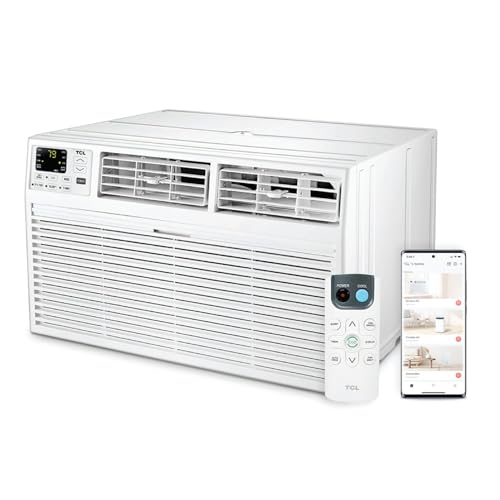
22 Inch Wide Through the Wall Air Conditioner
Everything you need to know about selecting, sizing, and installing a 22 inch wide through the wall air conditioner. This guide covers BTU requirements, sleeve dimensions, efficiency ratings, and the questions to ask before you commit to a permanent cooling solution.
Why 22 inches matters: The 22 inch wide form factor is one of the most common sleeve sizes for through-the-wall air conditioners in North American homes and apartments. Choosing a unit that fits an existing 22 inch sleeve means you avoid wall modification, preserve structural integrity, and keep the job within a manageable scope for a qualified installer.
What Is a 22 Inch Wide Through the Wall Air Conditioner?
A 22 inch wide through the wall air conditioner is a permanently installed cooling unit designed to slide into a wall sleeve that measures roughly 22 inches across the interior opening. Unlike window units, these systems sit inside a framed opening in an exterior wall, drawing outside air across the condenser coil while delivering conditioned air into the room through the front grille.
The 22 inch width is a standard reference point because it aligns with many existing wall sleeves found in older homes, apartments, hotels, and motels. If your sleeve measures 22 inches wide, selecting a compatible chassis is the first step toward a clean, weather-tight installation. Units in this class typically occupy a footprint that balances cooling capacity with a compact wall opening, making them a practical choice where window space is limited or where a permanent solution is preferred.
These air conditioners are commonly available in cooling-only and cooling-with-heat configurations. The latter includes a heating element or heat pump function, which can extend usability into the shoulder seasons. For related capacity discussions, see the 14,000 BTU through the wall air conditioner guide and the broader 15,000 BTU through the wall air conditioner overview.
Key Specifications to Verify Before You Buy
Buying a 22 inch wide unit is not simply a matter of matching the width. Several dimensions and electrical characteristics must align with your existing sleeve and home wiring. Use the table below as a checklist before placing an order.
| Specification | What to Check | Why It Matters |
|---|---|---|
| Sleeve Width | Confirm the interior opening is approximately 22 inches wide | Ensures the chassis slides in without modification |
| Sleeve Height & Depth | Match the unit's overall height and depth to the sleeve | Prevents gaps that compromise sealing and support |
| BTU Capacity | Calculate room load in BTU based on square footage and heat gain | Delivers adequate cooling without short cycling |
| Voltage & Amperage | Verify 115V or 230V circuit and breaker rating | Prevents electrical overload and ensures code compliance |
| SEER2 / EER2 Rating | Confirm the unit meets current DOE efficiency standards | Lower energy consumption over the unit's service life |
| Heating Function | Decide whether a heat option is needed for your climate | Extends seasonal usability beyond summer cooling |
How Many BTU Do You Need for a 22 Inch Wide Unit?
The width of the sleeve does not dictate BTU capacity; the room's cooling load does. A 22 inch wide through the wall air conditioner is typically offered in capacities ranging from about 8,000 BTU to 12,000 BTU, with some specialty models reaching higher. As a general starting point, rooms between 300 and 550 square feet often pair with units in the 8,000 to 12,000 BTU range. However, ceiling height, insulation quality, window area, sun exposure, and occupant load all influence the final figure.
For a more precise estimate, use the standard sizing method: multiply the room's square footage by 20 to 25 BTU per square foot, then adjust upward for sunny exposures, kitchens, or rooms with multiple occupants. If you are comparing installation options, the 18,000 BTU through the wall air conditioner resource explores larger capacity classes, while the 20 inch wide through the wall air conditioner page covers a slightly narrower sleeve format.
Oversizing a through-the-wall unit is a common mistake. An oversized air conditioner cools the room quickly but fails to remove humidity effectively, leaving the space feeling clammy. It also cycles on and off more frequently, which adds wear to the compressor. Matching capacity to the calculated load is a long-term investment in comfort and equipment longevity.
Cooling-Only vs. Cooling with Heat
Through-the-wall air conditioners come in two broad functional categories. Understanding the trade-offs helps you choose the right model for your climate and budget tier.
Cooling-Only Units
These models focus exclusively on cooling and dehumidification. They are simpler in construction, have fewer failure points, and are well-suited to warm climates where heating is handled by a separate system. Entry-level and mid-range cooling-only units are common in apartments and rental properties where the cooling season dominates.
Cooling with Heat
Units with an integrated heating element or heat pump provide year-round comfort from a single sleeve. Premium models in this category often include heat pump functionality for higher seasonal efficiency. They are a solid choice for transitional climates and for rooms that lack a dedicated heating source. See the 14,000 BTU through the wall air conditioner with heat for a capacity-specific example.
Installation Considerations for a 22 Inch Wall Sleeve
Installing a through-the-wall air conditioner is a structural and electrical project, not a plug-and-play task. The process generally involves cutting an opening in an exterior wall, framing it to support the unit's weight, inserting a metal sleeve, flashing and sealing the exterior to prevent water intrusion, and running a dedicated electrical circuit. Because the wall opening becomes a permanent feature, the quality of the installation directly affects the home's weathertightness and energy performance.
Most manufacturers publish a wall sleeve as a separate accessory or as part of a bundled kit. Using the manufacturer's sleeve for your specific chassis ensures proper drainage, support, and clearances. If you are replacing an existing unit, measure the sleeve carefully and confirm that the new chassis's dimensions match, including the rear grille clearance. The 26 in wall sleeve for through the wall air conditioners guide explains sleeve sizing conventions in more detail.
Electrical requirements deserve equal attention. Smaller-capacity units may run on a 115V circuit, while larger capacities often require 230V. Verify the breaker size and wiring gauge against the unit's nameplate rating, and have a licensed electrician confirm the circuit before installation. For units in the higher capacity range, the 230 volt through the wall air conditioner overview is a useful reference.
Professional installation is strongly recommended. Cutting an exterior wall and running a dedicated circuit involve structural, electrical, and code-compliance risks. A licensed HVAC contractor or electrician can confirm sleeve fit, seal the opening correctly, and ensure the installation meets local building codes. If you are evaluating larger systems, the 24,000 BTU through the wall air conditioner guide provides context on higher-capacity installations.
Efficiency Ratings and Long-Term Operating Considerations
Efficiency is expressed through SEER2 and EER2 ratings. SEER2 measures seasonal efficiency, while EER2 reflects efficiency at peak conditions. Higher ratings indicate that the unit converts more of its electrical input into cooling output. Because through-the-wall units are permanent installations, efficiency differences compound over years of service. A high-end tier model with a strong SEER2 rating is generally a more efficient long-term investment than an entry-level unit with a minimum-compliant rating, even if the upfront outlay is higher.
Beyond the rating label, operating efficiency depends on installation quality. A poorly sealed sleeve leaks conditioned air and lets humid outside air infiltrate, undermining even a high-efficiency unit. Regular maintenance — cleaning or replacing the air filter, keeping the condenser coil free of debris, and checking the seal around the sleeve — preserves performance and extends service life. The 16,000 BTU through the wall air conditioner page discusses maintenance intervals for larger chassis.
Choosing the Right Tier for Your Needs
Through-the-wall air conditioners are available across several market tiers. Use the descriptors below to orient yourself, keeping in mind that tier reflects relative market positioning rather than a fixed figure.
- Entry-level tier: Basic mechanical controls, cooling-only operation, and standard efficiency. Suitable for rental units or rooms where cooling demand is moderate.
- Mid-range tier: Digital controls, programmable timers, improved efficiency ratings, and often a remote control. A good balance of features for most residential applications.
- High-end tier: Higher SEER2 ratings, quieter operation, enhanced filtration, and heat pump or heating-element options. Well-specified for primary living spaces.
- Professional-grade: Robust chassis construction, commercial-duty components, and extended service intervals. Common in hospitality and light commercial settings.
Whichever tier you choose, confirm that the chassis dimensions match your 22 inch sleeve and that the electrical requirements align with your home's circuit. For a narrower sleeve format, the 20 inch wide through the wall air conditioner guide covers the relevant sizing differences.
Frequently Asked Questions
What is a 22 inch wide through the wall air conditioner?
It is a compact built-in cooling unit designed to fit a wall sleeve of approximately 22 inches in interior width. It provides permanent installation without occupying window space and is common in homes and apartments with existing sleeves of that size.
How many BTU do I need for a 22 inch wide through the wall AC?
BTU requirements depend on room size, not sleeve width. A 22 inch wide unit typically covers rooms between 300 and 550 square feet, translating to roughly 8,000 to 12,000 BTU. Always perform a room-by-room load calculation for accuracy.
Can I install a 22 inch wide through the wall AC myself?
Installation requires cutting an exterior wall, framing the opening, installing a sleeve, and ensuring proper electrical supply. This is best handled by a licensed HVAC professional to guarantee structural integrity and code compliance.
What SEER rating should I look for in a through the wall AC?
Look for units with a SEER2 rating that meets or exceeds current DOE minimum standards for your region. Higher SEER2 ratings indicate greater energy efficiency and lower long-term energy consumption.
Do I need a separate wall sleeve for a 22 inch wide unit?
If your wall already has a compatible sleeve, you may only need the chassis. If not, purchase the manufacturer's sleeve specified for your chassis model to ensure proper fit, drainage, and support. The 26 in wall sleeve for through the wall air conditioners guide explains sleeve sizing conventions.
Next Steps Before You Purchase
Before committing to a 22 inch wide through the wall air conditioner, complete three checks: measure your existing sleeve's interior width, height, and depth; calculate the room's BTU load using square footage and heat-gain factors; and verify the electrical circuit's voltage and amperage against the unit's nameplate. If your sleeve is slightly different, review the 20 inch wide through the wall air conditioner format or explore the 15,000 BTU through the wall air conditioner capacity class. For rooms that need more cooling, the 14,000 BTU through the wall air conditioner guide offers a useful comparison point.
Once your measurements and electrical checks are complete, the product recommendations below can help you compare features, efficiency ratings, and functional tiers. Always confirm the chassis dimensions against your sleeve before ordering, and arrange professional installation for the wall opening and electrical work.