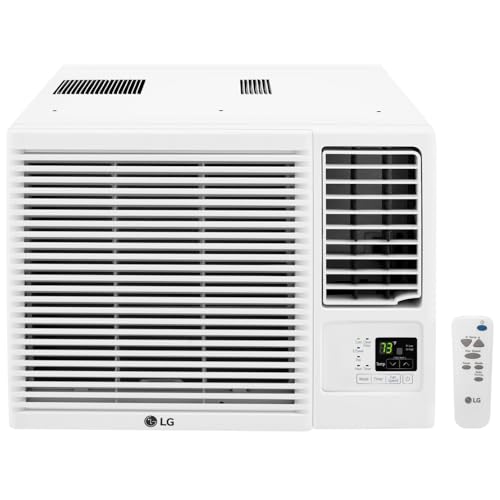
230 Volt Window Air Conditioner with Heater: The Complete Buyer's Guide
Learn how 230V window AC units with built-in heaters deliver powerful year-round comfort, how to size them correctly, and what to check before you buy.
START WITH SIZINGWhy 230 volt window AC units with heaters deserve your attention: They combine high-capacity cooling and supplemental heating in a single chassis, run on a dedicated 230V circuit for greater efficiency, and suit larger rooms where standard 115V units fall short. This guide explains everything you need to choose confidently.
What Is a 230 Volt Window Air Conditioner with Heater?
A 230 volt window air conditioner with heater is a dual-function appliance that mounts in a window opening, cools the room in summer, and provides electric resistance heating in cooler months. Unlike the familiar 115V window AC found in bedrooms, a 230V model draws power from a dedicated higher-voltage circuit, which allows the compressor and heating element to work harder without overloading standard household wiring.
These units are typically larger in cooling capacity, often ranging from around 12,000 BTU up to 25,000 BTU, and are built for rooms where a single 115V unit simply cannot keep up. If you are comparing formats, our guide to the 14,000 BTU window air conditioner with heat shows how mid-range capacities fit into real homes, while the 15,000 BTU window air conditioner with heat explains what a step up in capacity looks like.
The heater function is usually a supplemental electric element rather than a full heat pump. That means it is designed to take the chill off a room in spring and fall, or to supplement an existing heating system, rather than replace a whole-house furnace in freezing climates. Understanding this distinction is essential before you commit.
Why Choose a 230V Window AC with Heater Over a 115V Model?
The higher voltage is the headline feature, and it unlocks several practical benefits for larger spaces and heavier use.
- More cooling capacity per unit: 230V circuits support larger compressors, so these units can cool bigger rooms than most 115V window models.
- Better efficiency at high output: Drawing from a 230V circuit reduces current draw for the same power output, which can be gentler on wiring and breakers.
- Built-in heating: The heater element benefits from the higher available power, delivering meaningful supplemental warmth.
- Dedicated circuit safety: Because these units require their own circuit, they avoid sharing load with other household appliances.
For a deeper look at how voltage affects installation, see our guide on the 220 volt window air conditioner with heat, which covers the closely related 220V standard and what it means for breaker and outlet planning.
Installation note: A 230V window AC with heater cannot plug into a standard 115V outlet. It needs a dedicated 230V circuit with the correct amperage and a matching receptacle. If your home lacks one, a licensed electrician will need to install it before the unit can be used safely. Reviewing our 220 electrical outlet guide helps you understand the outlet types involved.
How to Size a 230 Volt Window AC with Heater
Correct sizing is the single most important decision you will make. An oversized unit short-cycles, cooling the air quickly but leaving humidity high and wearing out components faster. An undersized unit runs constantly and never quite reaches the set temperature. The table below gives a practical starting point, but always treat it as a baseline rather than a final answer.
| Room Size | Typical Cooling Capacity | 230V Suitability | Best For |
|---|---|---|---|
| Up to 550 sq ft | 12,000 BTU | Good fit | Large bedroom, studio, small living area |
| 550 – 750 sq ft | 14,000 – 15,000 BTU | Strong fit | Open-plan living room, large master suite |
| 750 – 1,000 sq ft | 18,000 BTU | Strong fit | Great room, finished basement, small office |
| 1,000 – 1,200 sq ft | 24,000 – 25,000 BTU | Ideal fit | Multi-room open layouts, large commercial space |
Adjust the baseline upward for south-facing windows, high ceilings, kitchens, rooms with many occupants, or homes with poor insulation. Adjust downward for shaded rooms with few occupants. For a fuller explanation of the formula and its nuances, our how to size an air conditioner guide walks through the calculation step by step.
If your space sits between two capacity bands, it is usually safer to move up rather than down for a 230V unit, because these models are designed to handle heavier loads. Our AC too big or too small guide explains the real-world consequences of each mistake.
Understanding Efficiency Ratings for 230V Window AC Units
Efficiency determines how much electricity the unit uses to deliver a given amount of cooling or heating. For 230V window units with heaters, two ratings matter most.
SEER2 for Cooling
SEER2 is the updated seasonal efficiency metric for cooling. Higher numbers mean less energy consumed per unit of cooling. For a 230V unit used daily, a SEER2 rating of 15 or higher is a solid baseline, and 18+ sits in the top-tier bracket. Our what is SEER rating guide explains the underlying formula, while the SEER vs SEER2 DOE standards article clarifies what changed and why it matters for new purchases.
Heating Capacity and Efficiency
The heater element in these units is electric resistance heating, so its efficiency is essentially fixed. What matters more is the rated heating capacity and whether the unit has a programmable thermostat or inverter-driven components that reduce wasted cycling. Inverter technology, covered in our inverter AC guide, is increasingly common even in window formats and can meaningfully improve year-round energy use.
Entry-Level Tier
Basic mechanical or simple digital controls, SEER2 around the minimum, heating capacity adequate for shoulder seasons. A solid choice for occasional use.
Mid-Range
Programmable thermostat, better SEER2, quieter operation, and more refined airflow. The balanced tier for daily year-round use.
Premium Tier
Inverter-driven compressor, high SEER2, smart controls, and stronger heating output. Feature-rich for its class and efficient in the long run.
Top-Tier
Flagship-level efficiency, advanced filtration, Wi-Fi control, and the most robust build. A long-term investment for demanding spaces.
Installation Requirements and Electrical Considerations
A 230 volt window air conditioner with heater is heavier and more power-hungry than a 115V unit, so installation demands more planning. Here is what to verify before the box arrives.
Dedicated 230V Circuit
The unit needs its own circuit, typically protected by a breaker sized to the unit's amperage draw. The receptacle must match the plug type, often a NEMA 6-15 or 6-20 configuration. If your home does not already have this, budget for an electrician's visit. Our guide on the 240 volt AC plug and the 220 electrical outlet explain the plug and outlet standards involved.
Window Opening and Support
Measure the window opening precisely and check the manufacturer's required dimensions. Because these units are heavy, secure support is non-negotiable. Many installations benefit from a proper window bracket or wall sleeve. If your window is not suitable, a through-the-wall approach may be the better route, as explained in our 230 volt through-the-wall air conditioner guide.
Drainage and Sealing
Window units produce condensate, so the unit must tilt slightly outward for drainage. Proper sealing around the window frame prevents cool air from escaping and stops insects from entering. Our common AC installation mistakes article lists the errors that most often undermine performance.
Professional vs DIY: While a physically capable homeowner can install the unit in the window, the electrical work is a different matter. Unless you are experienced with 230V circuits, hire a licensed electrician. Our do I need an electrician for AC guide helps you decide.
What to Look For When Buying a 230V Window AC with Heater
Beyond capacity and efficiency, several features separate a good unit from a great one. Use the following checklist as you compare models across tiers.
| Feature | Why It Matters | Tier Guidance |
|---|---|---|
| SEER2 rating | Determines cooling energy use over the season | Mid-range and above should exceed the minimum |
| Heating capacity | Defines how much supplemental warmth the unit delivers | Match to your climate and room size |
| Inverter compressor | Reduces cycling, improves efficiency, quieter operation | Premium and top-tier feature |
| Programmable thermostat | Automates comfort and reduces wasted energy | Common from mid-range up |
| Smart / Wi-Fi control | Remote management and scheduling | Premium and top-tier |
| Air filtration | Improves indoor air quality alongside comfort | Varies across tiers; check filter type |
| Noise level | Affects usability in bedrooms and living areas | Higher tiers are generally quieter |
If your room is near the upper edge of a capacity band, or if you plan to run the unit daily, the inverter and smart-control features of premium tiers are well-specified for the category and worth prioritizing. For a broader view of feature trade-offs, see our buying guide.
Maintenance Tips for Year-Round Performance
A 230V window AC with heater works harder than a single-function unit, so a simple maintenance routine protects both the cooling and heating functions.
- Clean or replace the filter monthly during peak season. A clogged filter forces the unit to work harder and reduces airflow. Our how to clean AC filter guide covers the process.
- Inspect the outdoor side of the unit. Debris on the condenser coils reduces efficiency. Our clean condenser coils article explains safe cleaning.
- Test the heater before cold weather arrives. Run it briefly in early autumn to confirm it engages properly.
- Check the seal around the window. Gaps waste energy in both cooling and heating modes.
- Schedule a seasonal check. Our seasonal AC checklist provides a repeatable routine.
Common Issues and Quick Troubleshooting
Even a well-chosen unit can develop problems. Most issues have straightforward causes.
- Not cooling: Check the filter, thermostat setting, and whether the compressor is running. Our AC not cooling solution guide walks through the diagnosis.
- Leaking water: Usually a drainage or tilt issue. See our AC leaking water solution guide.
- Blowing warm air: Could be a mode setting, a refrigerant issue, or a compressor problem. Our AC blowing warm air solution guide helps narrow it down.
- Unusual noise: Often debris, a loose component, or fan trouble. See our AC making noise solution guide.
- Heater not engaging: Verify the circuit, the mode setting, and the thermostat. If the issue persists, call a technician. Our when to call HVAC technician guide explains the signs.
Ready to Explore Your Options?
Browse our curated selection of 230 volt window air conditioners with heaters. Compare features, efficiency tiers, and capacity options to find the right fit for your space.
VIEW RECOMMENDED MODELSFrequently Asked Questions
What does 230 volt mean for a window air conditioner with heater?
A 230 volt rating means the unit draws power from a 230V circuit rather than the standard 115V household outlet. This higher voltage allows the compressor and heating element to deliver more cooling and heating capacity with greater efficiency, making 230V models ideal for larger rooms and heavy-duty year-round use.
Can I plug a 230 volt window AC with heater into a normal outlet?
No. A 230 volt window air conditioner with heater requires a dedicated 230V circuit with the correct amperage rating and a matching receptacle, typically a NEMA 6-15 or 6-20 plug depending on the unit. A standard 115V household outlet cannot safely power these units. Consult a licensed electrician to verify or install the proper circuit before installation.
How many BTUs do I need for a 230 volt window AC with heater?
As a general guideline, use about 20 BTU per square foot of living space, then adjust upward for sun exposure, occupancy, and ceiling height. A 230V window unit with heater typically ranges from 12,000 to 25,000 BTU, suitable for rooms between roughly 550 and 1,200 square feet. Always confirm with a load calculation for accurate sizing.
Is a window air conditioner with heater efficient for year-round use?
Yes, when properly sized. A 230V window AC with heater combines two functions in one chassis, reducing the need for a separate space heater in shoulder seasons. Look for a high SEER2 rating for cooling and a solid heating capacity rating. Inverter-driven models and units with programmable thermostats deliver the most efficient year-round performance.
Do 230 volt window AC units with heaters require special installation?
They require a dedicated 230V circuit, a properly sized window opening or wall sleeve, and secure support since these units are heavier than 115V models. Because of the electrical work and weight, professional installation is recommended for most homes to ensure safety, correct drainage, and optimal performance.
What SEER2 rating should I look for in a 230V window AC with heater?
Aim for a SEER2 rating of 15 or higher for meaningful energy savings, and consider 18+ for top-tier efficiency. Higher SEER2 units generally command a premium position in the market but deliver lower operating energy use over the long run, making them a worthwhile investment for rooms used daily.
Still exploring formats? Compare the 230V window approach with a 230 volt through-the-wall air conditioner, or consider a 14,000 BTU portable air conditioner with heat and remote control if window mounting is not an option. For very large spaces, a 18,000 BTU mini-split air conditioner heat pump may offer a more permanent solution.