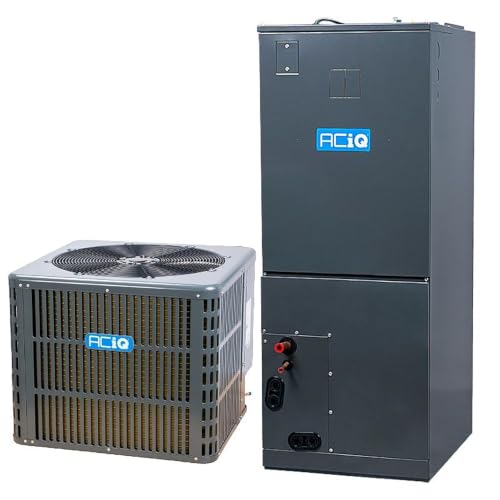
3 Ton Heat Pump Split System for Mobile Home
Your complete guide to understanding, sizing, and selecting the right 3 ton heat pump split system for a manufactured or mobile home — efficiency, installation considerations, and expert recommendations.
Why this guide matters: Mobile homes have unique construction, insulation, and ductwork characteristics that differ significantly from site-built houses. A 3 ton heat pump split system can be an excellent fit for many manufactured homes, but only when properly sized, configured, and installed. This guide walks you through everything you need to know before making a purchase decision.
What You'll Learn
- What a 3 ton heat pump split system is
- Why mobile homes need a tailored approach
- How to confirm 3 tons is right for your home
- Key components of a split heat pump system
- Efficiency ratings that matter
- Installation considerations for mobile homes
- Product tiers and what to expect
- Maintenance and longevity tips
- Frequently asked questions
What Is a 3 Ton Heat Pump Split System?
A 3 ton heat pump split system is a two-part HVAC configuration that provides both heating and cooling. The "3 ton" designation refers to the system's cooling capacity — approximately 36,000 BTU per hour — which is generally suitable for homes in the 1,400 to 2,000 square foot range, depending on climate, insulation, and construction quality. The "split" aspect means the system has an outdoor unit (condenser/heat pump) and an indoor unit (air handler or furnace coil) connected by refrigerant lines.
Unlike a packaged unit where all components sit in a single cabinet, a split system separates the noisy outdoor components from the indoor air handler. This configuration is common in manufactured housing because it allows flexible placement of the outdoor unit while keeping the indoor equipment compact and quiet. For mobile homes, a heat pump is particularly attractive because it delivers both cooling in summer and efficient heating in milder winters from the same equipment.
If you are exploring larger capacity options or comparing configurations, you may also want to review a 3 ton AC unit with heat pump overview to understand the broader category before narrowing down to mobile-home-specific requirements.
Why Mobile Homes Need a Tailored Approach
Manufactured and mobile homes are built to HUD code rather than local building codes, and their construction differs in ways that directly affect HVAC selection. Walls are typically thinner, insulation values are often lower than site-built homes of similar square footage, and ductwork is frequently compact, running through the floor or a shallow crawlspace. These factors mean that a system sized for a conventional house of the same square footage may be oversized or undersized for a mobile home.
Additionally, mobile home duct systems are often more restrictive, which affects airflow and static pressure. A 3 ton heat pump split system must be matched with an air handler and duct design that can handle the required airflow — typically around 1,200 CFM for a 3 ton system — without excessive pressure drop. Ignoring this can lead to reduced capacity, premature compressor wear, and comfort complaints.
Climate also plays a role. In milder regions, a heat pump can handle the majority of heating needs efficiently. In colder climates, a 3 ton heat pump may need a supplemental heat source or a cold-climate model to maintain comfort during deep freezes. Understanding your local climate zone is essential before committing to any specific configuration.
Key Mobile Home Considerations
Insulation Levels
Lower insulation values in many mobile homes can increase load requirements. A load calculation is essential rather than relying on square footage alone.
Ductwork Design
Compact or undersized ducts can restrict airflow. Verify static pressure and duct sizing before installing a 3 ton system.
Structural Support
Outdoor units and indoor air handlers must be supported properly. Mobile homes may require additional framing or pads.
Electrical Capacity
Confirm your electrical panel can support the heat pump's requirements, including proper breaker sizing and wiring.
How to Confirm 3 Tons Is Right for Your Mobile Home
Sizing is the single most important decision in HVAC. An oversized system short-cycles, struggles to dehumidify, and wears out faster. An undersized system runs continuously and fails to maintain comfort during peak conditions. A 3 ton heat pump split system is a common choice for mobile homes in the 1,400–2,000 square foot range, but square footage alone is not enough.
A proper load calculation — often called a Manual J calculation — accounts for window area and orientation, insulation R-values, air infiltration, duct location, and local design temperatures. For mobile homes, this step is especially critical because construction uniformity varies between manufacturers and vintages. A home built in the 1980s may have very different envelope performance than a newer HUD-code home.
If you are still in the early research phase, our guide on 3 ton AC unit square feet coverage provides a useful starting reference. For a broader overview of sizing principles, the 2 ton air conditioner page illustrates how capacity scales with home size and load.
Quick Sizing Reference
| Home Size (sq ft) | Typical Capacity Range | Notes for Mobile Homes |
|---|---|---|
| 1,000 – 1,400 | 2 – 2.5 tons | Often suitable for older single-wides with moderate insulation |
| 1,400 – 1,800 | 2.5 – 3 tons | 3 tons is common for double-wides in warmer climates |
| 1,800 – 2,200 | 3 – 3.5 tons | Load calculation strongly recommended; duct capacity must be verified |
| 2,200+ | 3.5 – 4+ tons | Consider zoning or multiple systems; 4 ton AC unit for 2000 sq ft house may apply |
Remember: this table is a starting point, not a substitute for a professional load calculation. Climate, window count, shading, and duct condition can shift the recommendation by half a ton or more.
Key Components of a Split Heat Pump System
A 3 ton heat pump split system consists of several major components that must be matched for reliable performance. Understanding each part helps you ask the right questions during the buying process.
Outdoor Heat Pump Unit
The outdoor unit contains the compressor, condenser coil, and reversing valve. In heating mode, the reversing valve switches the refrigerant flow so the outdoor coil absorbs heat from the air and transfers it indoors. For mobile homes, placement matters: the unit needs adequate clearance for airflow, a stable pad, and protection from snow accumulation in colder regions.
Indoor Air Handler
The indoor air handler contains the blower, evaporator coil, and — in many mobile home configurations — electric resistance backup heat strips. Air handlers for manufactured housing are often designed with compact footprints and specific duct connection configurations. Matching the air handler to the outdoor unit is critical; mismatched components can reduce efficiency and void warranties.
Refrigerant Lines and Controls
Refrigerant lines connect the indoor and outdoor units. Proper line sizing, insulation, and brazing are essential. The thermostat and control wiring complete the system. Modern systems often support programmable or smart thermostats, which can improve comfort and efficiency when used correctly. For basic control setups, a 2 wire AC thermostat reference can help clarify wiring expectations, though most heat pump systems require more conductors.
Ductwork Interface
In mobile homes, the duct system is often the weakest link. Retrofit installations may require transitioning from the existing duct configuration to the new air handler. Ensuring that the duct system can handle the airflow of a 3 ton system — and that it is sealed and insulated — is essential for efficiency and comfort.
Efficiency Ratings That Matter
Heat pump efficiency is expressed through SEER2 (cooling) and HSPF2 (heating) ratings. Higher ratings indicate greater efficiency, but the practical benefit depends on your climate, usage patterns, and how long you plan to stay in the home. For mobile homes, where envelope performance may be lower, a high-efficiency system can still deliver meaningful savings over time, but proper installation and duct sealing often matter more than the rating alone.
Federal minimum efficiency standards have tightened in recent years, and regional standards vary. When comparing systems, look for models that meet or exceed the minimum for your region and consider whether utility rebates or tax incentives apply. Our guide on what is SEER rating explains the metric in detail, while SEER vs SEER2 DOE standards covers the updated testing methodology.
| Efficiency Tier | Typical SEER2 Range | Best For |
|---|---|---|
| Entry-level | Meets regional minimum | Moderate climates, shorter-term ownership |
| Mid-range | Above minimum | Most mobile home applications with average usage |
| High-end tier | Substantially above minimum | Hot climates, high usage, long-term ownership |
| Top-tier | Highest available efficiency | Maximum efficiency goals and available incentives |
Keep in mind that a high-efficiency outdoor unit paired with a poorly sealed duct system will not deliver the expected performance. Duct sealing and insulation upgrades are often the most impactful efficiency improvements for mobile homes.
Installation Considerations for Mobile Homes
Installing a 3 ton heat pump split system in a mobile home is not the same as installing one in a site-built house. Several factors require special attention:
Equipment Placement
The outdoor unit must be placed on a stable, level pad with sufficient clearance for airflow and service access. In mobile home parks, space may be limited, and some communities have rules about equipment visibility and noise. The indoor air handler must fit within the available closet or utility space and connect properly to the existing duct system.
Duct Modifications
Existing mobile home ducts may require modification to accommodate the new air handler and to handle the airflow of a 3 ton system. Transition plenums, flexible connectors, and sealed joints are often necessary. If the existing duct system is undersized or deteriorated, upgrading it during the installation is a worthwhile investment.
Electrical and Permits
Confirm the electrical panel can support the heat pump's requirements. A dedicated circuit with the correct breaker size and wiring is essential. Many jurisdictions require permits for HVAC replacement; check with your local building department. Our guide on how to get AC permit outlines the general process, and amps and breaker size for AC helps clarify electrical sizing.
Choosing an Installer
Mobile home HVAC work requires familiarity with manufactured housing construction. Ask potential contractors about their experience with mobile homes, whether they perform load calculations, and how they handle duct modifications. The how to choose HVAC contractor guide offers a practical checklist for vetting installers.
Product Tiers: What to Expect
Heat pump split systems for mobile homes are available across a range of market tiers. Rather than focusing on numerical pricing, it is more useful to understand what each tier typically delivers in terms of build quality, features, and efficiency.
Entry-Level Tier
Meets minimum efficiency standards, basic controls, standard warranty coverage. A solid choice for moderate climates and straightforward replacements where the existing duct system is in good condition.
Mid-Range Tier
Higher efficiency ratings, improved sound insulation, better compressor protection, and often compatibility with programmable thermostats. A balanced choice for most mobile home applications.
High-End Tier
Two-stage or variable-speed compressors, enhanced humidity control, quieter operation, and longer warranties. Well-suited to hot climates and homeowners seeking maximum comfort.
Top-Tier
Highest available efficiency, advanced controls, premium materials, and extended warranty coverage. A long-term investment for homeowners prioritizing efficiency and quiet operation.
For a broader look at related configurations, the 3 ton central air unit with heat pump page covers similar capacity systems in central configurations. If you are considering a ductless alternative, the 3 ton mini split guide explains how ductless systems compare.
Maintenance and Longevity Tips
A well-maintained heat pump can deliver reliable service for many years. For mobile homes, maintenance should focus on both the equipment and the duct system, since duct deficiencies are common and can undermine performance.
- Replace or clean filters regularly. A clogged filter restricts airflow and reduces efficiency. Check monthly during peak seasons. See when to replace AC filter for guidance.
- Keep the outdoor unit clear. Remove debris, leaves, and snow from around the unit. Maintain at least two feet of clearance on all sides.
- Inspect and seal ducts. Leaky ducts waste energy and reduce comfort. Sealing duct joints and insulating ducts in unconditioned spaces is highly beneficial. Our how to seal air ducts guide covers the basics.
- Schedule professional service. Annual maintenance catches small issues before they become major repairs. The seasonal AC checklist provides a useful seasonal reference.
- Monitor performance. Watch for changes in cooling or heating performance, unusual noises, or increased energy usage. Early intervention can prevent costly failures.
If you notice issues such as insufficient cooling or unusual sounds, our troubleshooting resources on AC not cooling and AC making noise can help you identify potential causes before calling a technician.
Frequently Asked Questions
Is a 3 ton heat pump too big for a mobile home?
Not necessarily. A 3 ton system is appropriate for many mobile homes in the 1,400–2,000 square foot range, especially in warmer climates. However, sizing must be based on a load calculation that accounts for insulation, windows, duct condition, and local design temperatures. An oversized system can cause short cycling and poor humidity control.
Can a heat pump split system be installed in an older mobile home?
Yes, but the installation may require duct modifications, electrical upgrades, or both. Older mobile homes often have less efficient envelopes and duct systems that need attention. A professional assessment is essential before proceeding.
What is the difference between a heat pump and an air conditioner?
A heat pump provides both heating and cooling by reversing the refrigerant cycle, while a standard air conditioner only provides cooling. For mobile homes in climates with mild to moderate winters, a heat pump can be a highly efficient year-round solution. Our heat pump vs air conditioner comparison explains the differences in detail.
How long does a 3 ton heat pump split system last?
With proper installation and regular maintenance, a quality heat pump can last 12–15 years or more. Factors such as usage intensity, climate, and maintenance consistency all influence longevity. Investing in a well-matched system and keeping up with service intervals helps maximize service life.
Do I need a special thermostat for a heat pump?
Yes — heat pump systems require a thermostat designed for heat pump operation, which includes controls for the reversing valve and auxiliary heat. Standard air conditioner thermostats are not compatible. Many modern heat pumps support smart thermostats with heat pump compatibility.
Can I replace just the outdoor unit?
In most cases, replacing only the outdoor unit is not recommended. The indoor coil and air handler must be matched to the outdoor unit for proper refrigerant flow, efficiency, and warranty coverage. A mismatched system can underperform and may fail prematurely. It is generally best to replace the complete system when the outdoor unit fails.
What size heat pump do I need for a double-wide mobile home?
Double-wide mobile homes typically range from 1,500 to 2,200 square feet. Many fall in the 3 ton range, but the exact requirement depends on insulation, window area, climate, and duct design. A load calculation is the only reliable way to determine the right size.