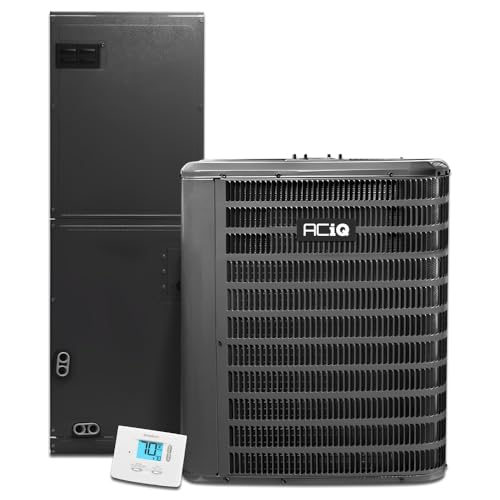
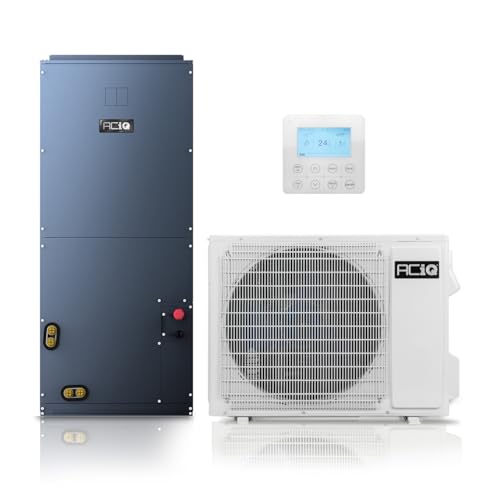
3 Ton Central Air Unit with Heat Pump: Complete Guide
Everything you need to know about sizing, efficiency, installation, and maintenance for a 3 ton central heat pump system. Make a confident, informed decision for your home comfort.
START LEARNINGWhy a 3 Ton Central Heat Pump? A 3 ton central air unit with heat pump delivers approximately 36,000 BTUs of cooling and heating capacity, making it one of the most popular choices for mid-sized homes. It combines year-round comfort in a single system — cooling in summer and efficient heating in winter — without relying solely on a separate furnace.
What Is a 3 Ton Central Air Unit with Heat Pump?
A 3 ton central air unit with heat pump is a ducted HVAC system that provides both cooling and heating from a single outdoor unit. The "3 ton" designation refers to cooling capacity: one ton equals 12,000 BTUs per hour, so a 3 ton system delivers roughly 36,000 BTUs of cooling. In heating mode, the heat pump reverses the refrigerant cycle to extract warmth from outdoor air and transfer it indoors — even in cold weather.
Unlike a traditional air conditioner paired with a gas furnace, a heat pump system handles both seasons. This makes it an excellent choice for homeowners who want a single, integrated system with a smaller carbon footprint and no combustion on site. For homes in moderate climates, a 3 ton heat pump can serve as the primary heating and cooling source year-round.
If you are still comparing system types, our guide to 3 ton air conditioning systems breaks down the differences between cooling-only and heat pump configurations. You can also explore the broader 3 ton AC unit category for related options.
Is a 3 Ton Unit the Right Size for Your Home?
Capacity matters more than almost any other factor. A system that is too small will struggle to keep up on peak days; one that is oversized will short-cycle, dehumidify poorly, and wear out faster. A 3 ton central air unit with heat pump is generally appropriate for homes in the 1,500 to 1,800 square feet range, though the exact figure depends on your climate and building envelope.
| Home Size (sq ft) | Recommended Capacity | Notes |
|---|---|---|
| 1,000 – 1,200 | 2 ton (24,000 BTU) | Smaller homes, mild climates |
| 1,200 – 1,500 | 2.5 ton (30,000 BTU) | Well-insulated mid-size homes |
| 1,500 – 1,800 | 3 ton (36,000 BTU) | Most common range for this capacity |
| 1,800 – 2,100 | 3.5 ton (42,000 BTU) | Hotter climates, larger footprint |
Use our BTU calculator by room size to refine your estimate, and read how to size an air conditioner for a step-by-step walkthrough. A proper Manual J load calculation performed by a qualified contractor remains the most accurate method. If you are weighing options, our article on what happens if your AC is too big or too small explains the real-world consequences of improper sizing.
Understanding SEER2 and HSPF2 for Heat Pumps
Efficiency ratings tell you how much comfort you get per unit of electricity. For a 3 ton central air unit with heat pump, two ratings matter most:
- SEER2 — Seasonal Energy Efficiency Ratio (cooling). Higher is better. Minimum DOE standards are 14.3 SEER2 in the South and 13.4 SEER2 in the North.
- HSPF2 — Heating Seasonal Performance Factor. Measures heating efficiency. Look for 7.5 HSPF2 or higher for solid performance.
A system with a higher SEER2 rating costs more upfront but typically pays back over time through lower energy consumption — especially in climates with long cooling seasons. Our guides on SEER ratings and SEER vs SEER2 DOE standards explain the transition and what it means for buyers.
Heat pump efficiency also depends on the balance point — the outdoor temperature at which the heat pump can no longer meet the home's heating load. In colder regions, a 3 ton heat pump is often paired with a backup furnace. For a deeper comparison, read our article on heat pump vs air conditioner.
Key Benefits of a 3 Ton Heat Pump System
Year-Round Comfort
One system handles both cooling and heating, simplifying maintenance and reducing equipment footprint compared to separate AC and furnace setups.
Energy Efficiency
Heat pumps move heat rather than generating it, delivering heating efficiency that often exceeds traditional electric resistance systems by a wide margin.
No Combustion On Site
Because heat pumps run on electricity and move refrigerant, there is no gas line, no flame, and no combustion byproducts inside your home.
Dehumidification
In cooling mode, a properly sized 3 ton system removes moisture effectively, improving indoor comfort in humid climates.
Smart Thermostat Compatibility
Most modern heat pumps work with programmable and smart thermostats, enabling scheduling and remote control for better energy management.
Long Service Life
With annual maintenance, a central heat pump system can last 15 to 20 years, making it a solid long-term investment for your home.
Entry-Level, Mid-Range, and Premium Tiers
Not all 3 ton central heat pump systems are built the same. Products generally fall into three market tiers. Use these descriptions to match a system to your priorities — without anchoring to any specific figure.
Entry-Level Tier
Single-stage compressors, basic controls, and standard efficiency ratings. A solid choice for homeowners who want reliable comfort with straightforward operation.
Mid-Range Tier
Two-stage or variable-speed compressors, improved SEER2 ratings, and quieter operation. A balanced tier that delivers strong efficiency and better humidity control.
Premium Tier
Fully variable-speed inverter compressors, top-tier SEER2/HSPF2 ratings, advanced diagnostics, and the quietest outdoor units. Ideal for homeowners prioritizing comfort and efficiency.
The tier you choose should reflect your climate, how long you plan to stay in the home, and your comfort expectations. A mid-range model often represents good value for its tier, while premium systems are well-specified for the category and can be worthwhile investments in extreme climates. For related capacity options, see our guide on 3 ton mini-split systems.
Installation Considerations
Proper installation is just as important as the equipment itself. A poorly installed premium system will underperform a well-installed mid-range one. Here is what to expect:
- Load calculation — confirm the 3 ton capacity is correct for your home before signing a contract.
- Ductwork inspection — leaks and undersized ducts can waste a significant portion of capacity. Read our ductwork design guide.
- Electrical service — verify your panel can handle the outdoor unit's requirements. Our guide on amps and breaker size helps you prepare.
- Outdoor placement — ensure adequate clearance for airflow and service access. See AC indoor and outdoor placement.
- Permits — most jurisdictions require a permit for HVAC replacement. Check how to get an AC permit.
- Contractor selection — read how to choose an HVAC contractor and verify HVAC license and insurance.
For a full breakdown, see our installation cost breakdown — described in relative tiers rather than specific figures — and common installation mistakes to avoid.
Maintenance Tips for Long-Term Performance
A 3 ton central air unit with heat pump rewards consistent maintenance with lower energy use and a longer service life. Build these habits into your routine:
- Replace or clean the air filter every 1–3 months. See when to replace your AC filter.
- Keep the outdoor unit clear of leaves, dirt, and debris. Learn to clean condenser coils.
- Schedule professional servicing each spring and fall. See annual service and seasonal AC checklist.
- Monitor for refrigerant leaks. Read refrigerant leak repair for signs and next steps.
- Use a programmable thermostat to reduce runtime during unoccupied hours. See how to use a programmable thermostat.
If something goes wrong, our troubleshooting guides cover AC not cooling, frozen coils, and noise issues. For a full seasonal routine, see our AC maintenance guide.
Related Guides and Topics
- 3 Ton Air Conditioning System
- 3 Ton AC Unit Air Conditioners
- 3 Ton AC Unit Square Feet Coverage
- 3 Ton Condensing Unit
- 3 Ton Air Conditioner and Furnace
- 3 Ton Heat Pump Split System for Mobile Home
- 3 Ton Mini Split
- 3 Tons AC
- Central Air Conditioning Guide
- Ductless Mini-Split AC
- What Is SEER Rating?
- SEER vs SEER2 DOE Standards
- Heat Pump vs Air Conditioner
- How to Size an Air Conditioner
- BTU Calculator by Room Size
- Manual J Load Calculation
- AC Too Big or Too Small?
- Ductwork Design Guide
- How to Choose HVAC Contractor
- HVAC License & Insurance
- AC Indoor & Outdoor Placement
- Amps & Breaker Size for AC
- How to Get AC Permit
- Installation Cost Breakdown
- Common AC Installation Mistakes
- When to Replace AC Filter
- Clean AC Condenser Coils
- AC Annual Service
- Seasonal AC Checklist
- Use Programmable Thermostat
- AC Not Cooling?
- AC Frozen Coils?
- AC Making Noise?
- Refrigerant Leak Repair
- AC Maintenance Guide
Frequently Asked Questions
What size home does a 3 ton central air unit with heat pump cool?
A 3 ton central air unit with heat pump is typically suitable for homes between 1,500 and 1,800 square feet, depending on climate zone, insulation quality, window exposure, and ceiling height. Homes in hotter climates may require a slightly larger system, while well-insulated homes in moderate climates may be adequately served by this capacity. Always confirm with a professional load calculation.
How many BTUs does a 3 ton heat pump produce?
One ton of cooling capacity equals 12,000 BTUs per hour. A 3 ton central air unit with heat pump therefore delivers approximately 36,000 BTUs of cooling capacity. For heating, the actual output depends on the heat pump's HSPF2 rating and outdoor temperature, but the nominal capacity is also around 36,000 BTUs.
What SEER2 rating should a 3 ton heat pump have?
For a 3 ton central air unit with heat pump, look for a SEER2 rating of at least 14.3 in the southern United States and 13.4 in the northern states to meet minimum DOE standards. Premium and high-end tier models typically achieve SEER2 ratings of 16 to 20 or higher, delivering better energy efficiency and long-term performance.
Can a 3 ton heat pump both heat and cool a home?
Yes. A 3 ton central air unit with heat pump provides both cooling in summer and heating in winter by reversing the refrigerant cycle. In moderate climates, it can serve as the primary heating system. In colder regions, it is often paired with a backup furnace for temperatures below the heat pump's balance point.
How long does a 3 ton central heat pump system last?
With proper installation and regular maintenance, a 3 ton central air unit with heat pump typically lasts 15 to 20 years. Annual professional servicing, regular filter changes, and keeping the outdoor unit clear of debris are key factors in maximizing system lifespan.
Ready to explore specific models? Our recommended products below are curated for this exact capacity and configuration.