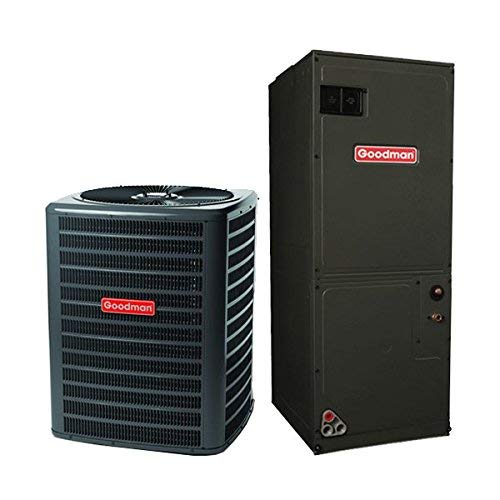
4 Ton Air Conditioner and Furnace: The Complete Guide
Everything you need to know about sizing, efficiency, installation, and maintenance for a 4-ton AC and furnace system — before you invest in one for your home.
START LEARNINGAC Units Guide Philosophy: A 4-ton air conditioner and furnace is a major long-term investment for larger homes. This guide helps you understand what that capacity means, how to match it to your home, and which product tiers fit your needs — so you can decide with confidence.
What Does a 4 Ton Air Conditioner and Furnace Mean?
A 4 ton air conditioner and furnace combination refers to a central HVAC system where the cooling side delivers 4 tons (48,000 BTU per hour) of cooling capacity, paired with a furnace that provides heating. This capacity is typically suited for larger single-family homes — often in the range of 2,000 to 2,500 square feet — depending on climate, insulation, window area, and occupancy.
In the US, "tonnage" is a measure of cooling capacity, not weight. One ton equals 12,000 BTU per hour, so a 4-ton unit provides 48,000 BTU/hour. The furnace side is sized separately, usually by heating output (BTU/hour) and efficiency (AFUE rating). Together, these two components form the heart of a central split system.
Understanding this combination is crucial because mismatched sizing — either too large or too small — leads to poor comfort, higher energy use, and shortened equipment life. If you are still exploring capacity options, you may also want to compare how a 3-ton AC unit with heat pump compares in capacity and use case.
Who Should Consider a 4 Ton System?
Larger Single-Family Homes
A 4-ton system is generally appropriate for homes around 2,000–2,500 square feet in moderate climates. Homes with high ceilings, many windows, or poor insulation may need this capacity even at slightly smaller square footage.
Multi-Zone or Two-Story Layouts
In two-story homes, a 4-ton system can sometimes serve both floors with proper duct design. However, zoning or a second system may be needed if the load calculation shows uneven distribution.
Hot-Climate Households
In warmer regions, a 4-ton unit provides the extra cooling headroom needed during peak summer. Pairing it with a properly sized furnace ensures year-round comfort.
Open-Concept Living Areas
Open floor plans with large shared spaces often have higher cooling loads. A 4-ton system can handle the volume without straining, provided ductwork is correctly designed.
How to Verify If 4 Tons Is Right for Your Home
Square footage alone is not enough. A proper sizing decision uses a load calculation (often called Manual J in the US) that considers:
- Climate zone and design temperatures
- Insulation levels in walls, attic, and floors
- Window count, orientation, and glazing type
- Air infiltration and duct leakage
- Number of occupants and internal heat gains
As a rough starting point, many homes in the 2,000–2,500 sq ft range fall into the 4-ton category. But a professional load calculation is the only reliable way to confirm. If your home is smaller or better insulated, a 3.5-ton central heat and air unit may be more appropriate.
Oversizing a 4-ton system in a smaller home causes short cycling, poor humidity control, and unnecessary wear. Undersizing leaves you uncomfortable on hot days. Both scenarios reduce efficiency and comfort.
Key Components of a 4 Ton AC and Furnace System
| Component | Function | What to Look For |
|---|---|---|
| Outdoor Condenser Unit | Releases heat absorbed from indoors; houses compressor and condenser coil | SEER2 rating, durable cabinet, quiet operation, proper clearance for airflow |
| Indoor Evaporator Coil | Absorbs heat and moisture from indoor air | Matched to condenser capacity, corrosion-resistant fins, accessible for cleaning |
| Furnace / Air Handler | Circulates air and provides heating in winter | AFUE rating, blower motor type (ECM vs PSC), heating output match |
| Ductwork | Distributes conditioned air throughout the home | Proper sizing, sealed joints, insulated runs in unconditioned spaces |
| Thermostat | Controls temperature and system operation | Programmable or smart features, compatibility with system stages |
Efficiency Ratings That Matter
For the cooling side, look at SEER2 (Seasonal Energy Efficiency Ratio 2), the current US standard. Higher SEER2 means more efficient cooling. For the furnace, AFUE (Annual Fuel Utilization Efficiency) indicates how much fuel is converted to heat. A furnace with 90% AFUE or above is considered high-efficiency.
Efficiency tiers generally break down as follows:
- Entry-level tier: Meets minimum standards; solid choice for moderate climates and lower usage.
- Mid-range tier: Better efficiency and features; a balanced choice for most homes.
- Premium tier: High SEER2 and AFUE; ideal for extreme climates or heavy usage.
- Top-tier / flagship: Highest efficiency, advanced controls, variable-speed components.
Remember that efficiency interacts with sizing and installation quality. A premium system installed poorly will underperform an entry-level system installed correctly.
Installation Considerations for a 4 Ton System
Installing a 4-ton AC and furnace is not a DIY project. Key considerations include:
- Electrical capacity: A 4-ton condenser typically requires a dedicated 240V circuit with appropriate breaker sizing. Verify your panel can handle the load.
- Ductwork adequacy: Existing ducts may be undersized for 4 tons. A duct evaluation is essential to avoid airflow problems.
- Refrigerant lines: Line set length and diameter must match the equipment. Improper lines reduce efficiency.
- Placement: Outdoor unit needs clearance for airflow and service access; indoor unit needs space for filter changes and coil access.
- Permits and codes: Most jurisdictions require permits for HVAC replacement. Ensure your contractor pulls the correct permits.
If you are also considering adding central air to an existing furnace setup, see our guide on adding AC to a furnace for a step-by-step overview.
Maintenance Tips for Long-Term Performance
Replace Filters Regularly
Change or clean the air filter every 1–3 months depending on usage and pets. A clogged filter strains the blower and reduces cooling efficiency.
Schedule Annual Tune-Ups
Professional maintenance checks refrigerant charge, electrical connections, and coil cleanliness. Annual service extends equipment life and maintains efficiency.
Keep the Outdoor Unit Clear
Remove debris, leaves, and vegetation around the condenser. Maintain at least two feet of clearance on all sides for proper airflow.
Inspect Ductwork
Seal leaky ducts and insulate runs in attics or crawlspaces. Duct leakage can waste a significant portion of your cooling output.
If you notice the system running but not cooling effectively, our troubleshooting guide on AC not cooling solutions covers common causes and fixes.
How to Choose the Right 4 Ton AC and Furnace
When comparing products, focus on these factors rather than headline numbers:
- Matched systems: Condenser, coil, and furnace should be designed to work together. Mismatched components reduce efficiency and may void warranties.
- Efficiency tier: Decide whether entry-level, mid-range, premium, or top-tier aligns with your climate and usage patterns.
- Blower motor type: ECM (electronically commutated motor) blowers use less electricity and offer better comfort than PSC motors.
- Staging: Two-stage or variable-speed compressors provide better humidity control and quieter operation than single-stage units.
- Warranty: Compare coverage on compressor, parts, and heat exchanger. Longer warranties often reflect manufacturer confidence.
For a broader look at system sizing across capacities, see our guide on 24,000 BTU cooling area and how it relates to square footage. If you are considering a heat pump instead of a furnace, our article on the 5-ton 18 SEER AC unit with heat pump explains how heat pump systems compare.
Frequently Asked Questions
How many square feet does a 4 ton air conditioner cool?
As a general estimate, a 4-ton system suits homes around 2,000–2,500 square feet in moderate climates. However, insulation, windows, ceiling height, and climate significantly affect the actual requirement. Always confirm with a load calculation.
What size furnace should pair with a 4 ton AC?
Furnace sizing depends on your heating load, not the AC tonnage. A qualified contractor will calculate heating BTU requirements based on your climate and home characteristics. The furnace must also have a blower capable of moving enough air for 4 tons of cooling (typically around 1,600 CFM).
Is a 4 ton AC too big for my house?
If your home is significantly smaller than 2,000 square feet or well-insulated, a 4-ton unit may be oversized. Oversizing causes short cycling, poor dehumidification, and premature wear. A load calculation is the only reliable way to know.
How long does a 4 ton AC and furnace system last?
With proper installation and annual maintenance, a central AC typically lasts 15–20 years, and a furnace 15–25 years depending on usage and maintenance quality. Regular filter changes and professional tune-ups are key to longevity.
Can I replace just the AC or just the furnace?
It is possible, but matching components is important for efficiency and warranty compliance. If the existing equipment is older, replacing both as a matched system often delivers better performance and reliability. Consult a contractor to evaluate compatibility.
Ready to Explore 4 Ton AC and Furnace Options?
Browse our curated selection of recommended systems below. Compare features, efficiency tiers, and find the right match for your home.
VIEW RECOMMENDATIONS