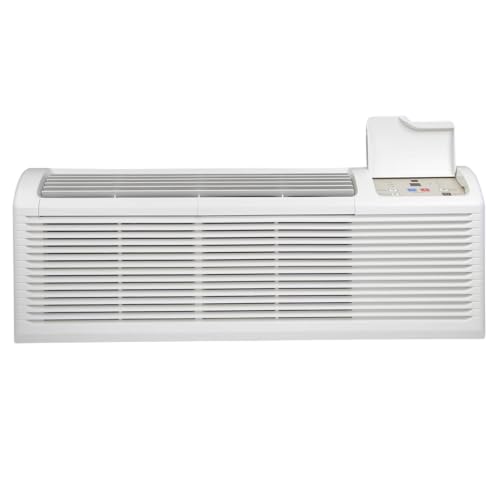
7000 BTU AC Unit: The Complete Guide
Everything you need to know about 7000 BTU air conditioners — room coverage, unit types, efficiency, installation, and how to choose the right model for your space.
What Is a 7000 BTU AC Unit?
A 7000 BTU air conditioner sits in a sweet spot between compact personal cooling units and larger whole-room systems. BTU — British Thermal Unit — measures cooling capacity, and 7000 BTU is generally enough to cool a room of roughly 250 to 350 square feet under normal conditions. That makes it a popular choice for bedrooms, home offices, small living rooms, and studio apartments.
If you have been comparing models and keep landing on 7000 BTU units, this guide will help you understand exactly what you are getting, which room sizes make sense, what unit types are available, and how to maximize efficiency. By the end, you should feel confident about whether a 7000 BTU unit fits your space — or whether you need to adjust up or down.
Quick summary: A 7000 BTU AC is ideal for rooms between 250 and 350 square feet. Choose window or portable types for flexibility, and mini-split systems for quiet, permanent, high-efficiency cooling.
What Room Size Does a 7000 BTU AC Cool?
The commonly cited rule of thumb is 20 BTU per square foot of living space. Under that formula, 7000 BTU covers about 350 square feet. In practice, real-world conditions push the effective coverage down to around 250–300 square feet for many rooms. Here is a more detailed breakdown:
| Room Type | Typical Size | 7000 BTU Suitability |
|---|---|---|
| Small bedroom | 100–150 sq ft | More than enough; consider 5000–6000 BTU for efficiency |
| Standard bedroom | 150–250 sq ft | Comfortable fit; good headroom for hot days |
| Master bedroom / small living room | 250–350 sq ft | Appropriate if insulation and shading are decent |
| Large living room / open plan | 350–500 sq ft | Likely undersized; step up to 8000–10000 BTU |
Several factors can shift the effective coverage of a 7000 BTU unit. Rooms with large south- or west-facing windows, poor insulation, high ceilings, or multiple occupants and heat-generating electronics will need more capacity. Conversely, a well-shaded, well-insulated room in a mild climate may be comfortably cooled by 7000 BTU even at the higher end of the range.
If you are unsure about your exact room size, our guide on 8000 BTU room size coverage provides a useful comparison point — if your room falls above the 7000 BTU range, that page will help you decide whether to step up. For smaller spaces, the 6000 BTU window unit room size guide covers the tier below.
Types of 7000 BTU AC Units
7000 BTU cooling capacity is available across several form factors. Each type has distinct advantages depending on your installation options, noise tolerance, and how permanent you want the setup to be.
Window AC Units
Window units are the most straightforward option for rooms with a standard double-hung window. They install in the window frame, vent heat directly outside, and generally offer the best cooling performance per BTU among portable options. A 7000 BTU window unit is a classic choice for bedrooms. If your window setup is non-standard, review the small window AC guide for sizing constraints before committing.
Portable AC Units
Portable units roll between rooms and require only a window or wall vent for the exhaust hose. They are ideal for renters or rooms without a suitable window for a traditional unit. A 7000 BTU portable air conditioner is a practical compromise when permanent installation is not an option. Keep in mind that portable units are generally less efficient than window or mini-split systems because part of the heat they remove is reintroduced into the room. For a deeper look at what these units can handle, see the 7000 BTU portable room size guide.
Mini-Split Systems
Ductless mini-splits pair an indoor air handler with an outdoor compressor. They are the quietest and most efficient option, and they do not block a window. A 7000 BTU mini-split is a strong fit for a bedroom or home office where noise matters and a permanent installation is acceptable. If you are leaning toward this category, explore the broader mini-split sizing and selection guide to understand how capacity steps work across the lineup.
Efficiency and Power Consumption
A 7000 BTU air conditioner typically draws between 600 and 700 watts during steady operation. That translates to a modest load on a standard household circuit, and most 7000 BTU window and portable units run on 115-volt power with a standard plug — no special wiring required.
Efficiency is where model selection matters. Look for units with a competitive SEER or CEER rating for their class. Inverter-driven compressors, found more often in mini-splits and premium window units, modulate speed instead of cycling on and off, which improves comfort and long-run efficiency. If you want to understand how efficiency ratings translate into real-world performance, our explanation of SEER ratings breaks it down clearly.
Practical efficiency tips for a 7000 BTU unit:
- Shade the outdoor side of a window unit from direct sun if possible.
- Seal gaps around window installations with foam or weatherstripping.
- Keep filters clean — a clogged filter forces the compressor to work harder.
- Use a programmable thermostat or timer to avoid cooling an empty room.
- Pair the AC with a ceiling fan to raise the comfortable thermostat setpoint.
Installation Considerations
Window units are the simplest to install and typically require no professional help for a 7000 BTU model, though two people make the job safer. Portable units need only a vented window or wall opening for the exhaust hose. Mini-splits require professional installation because they involve refrigerant lines and electrical work.
Before installing any unit, check the electrical requirements. A 7000 BTU window or portable unit usually runs on a standard 15-amp circuit, but verify the nameplate rating on the specific model. If you are installing a mini-split or upgrading a circuit, our guide on amps and breaker size for AC units explains what to check. For a broader view of what installation involves, the indoor and outdoor placement guide covers positioning best practices.
Also consider window compatibility. Casement windows and sliding windows often cannot accept a standard window unit. In those cases, a portable unit or a through-the-wall installation may be the better path. If you are weighing the two, the through-the-wall AC overview covers the trade-offs.
How to Choose the Right 7000 BTU Unit
Once you have confirmed that 7000 BTU is the right capacity for your room, the decision comes down to form factor, features, and build quality. Here is a practical framework:
- Confirm the capacity fit. Measure your room and account for sun exposure, ceiling height, and occupancy. If your room is under 250 square feet, a smaller unit may be more efficient; if it is above 350 square feet, consider stepping up to 8000 BTU. The 8000 BTU window unit room size guide is a useful next step.
- Choose the form factor. Window for efficiency and simplicity, portable for flexibility, mini-split for quiet and permanence.
- Check efficiency ratings. Compare SEER or CEER within the same class. A higher-rated model in the same tier is usually a better long-term investment.
- Look at noise levels. Decibel ratings matter for bedrooms. Mini-splits are quietest; window units vary widely; portable units are generally louder.
- Evaluate features that matter to you. Remote control, programmable timers, sleep modes, dehumidification, and smart-home compatibility are common in mid-range and high-end tier models.
- Check the warranty and build quality. A longer compressor warranty and solid construction are signs of a model designed to last.
If you are still comparing capacity tiers, the 9000 BTU cooling area guide shows how the next size up behaves in larger rooms, which can help you validate whether 7000 BTU is the right stopping point.
Best Use Cases for a 7000 BTU AC
A 7000 BTU unit works well in a range of everyday situations. The most common include:
- Bedrooms: The classic application. A 7000 BTU window or mini-split unit cools a standard bedroom quickly and quietly.
- Home offices: Electronics add heat load, so a 7000 BTU unit gives useful headroom in a 200–250 square foot office.
- Studio apartments: A single 7000 BTU unit can handle a compact studio if the layout is open and the unit is positioned well.
- Guest rooms and rental units: Portable 7000 BTU units are popular for short-term rentals and rooms without permanent installation options.
- Supplemental cooling: In homes with central air, a 7000 BTU unit can cool a hot upstairs bedroom that the main system struggles to reach.
For renters specifically, the temporary cooling solutions guide covers portable and window options that do not require permanent modifications.
Maintenance Tips for Long-Term Performance
A 7000 BTU unit is a long-term investment when maintained properly. Basic upkeep keeps efficiency high and extends the life of the compressor.
- Clean or replace the air filter every two to four weeks during heavy use.
- Inspect and clean the outdoor coils on window and mini-split units at the start of each cooling season.
- Check the drain line or drain pan for clogs, especially on portable units that collect condensate.
- Store portable units indoors during cold months and cover window units if they stay installed.
- Schedule a professional checkup every few years for mini-split systems, which have sealed refrigerant circuits.
Our AC filter cleaning guide walks through the filter maintenance process step by step. If your unit starts underperforming, the AC not cooling troubleshooting guide covers the most common causes and fixes.
Frequently Asked Questions
What size room does a 7000 BTU AC cool?
A 7000 BTU air conditioner is typically suitable for rooms between 250 and 350 square feet, depending on ceiling height, insulation, sun exposure, and the number of occupants or heat-generating appliances in the space.
Is a 7000 BTU AC enough for a bedroom?
Yes, a 7000 BTU unit is usually sufficient for a standard bedroom up to about 300 square feet. For larger master bedrooms, rooms with high ceilings, or spaces with direct afternoon sun, you may need to step up to an 8000 BTU model.
What type of 7000 BTU AC unit is best?
The best type depends on your installation situation. Window units are the most straightforward for standard double-hung windows, portable units offer flexibility for rooms without suitable windows, and mini-split systems provide the quietest operation and best efficiency for permanent installations.
Does a 7000 BTU AC use a lot of electricity?
A 7000 BTU unit typically draws around 600 to 700 watts during normal operation. Inverter-driven models can modulate their power draw and are generally more efficient over long cooling sessions than fixed-speed compressors.
Final Thoughts
A 7000 BTU AC unit is a well-balanced choice for small to medium rooms, offering meaningful cooling capacity without the installation complexity of larger systems. The key is matching the unit type to your space and your installation options, then choosing a model with competitive efficiency for its tier.
If you have confirmed that your room falls within the 250–350 square foot range and you have a viable installation path, a 7000 BTU unit should serve you well. For rooms outside that range, review the adjacent capacity tiers to make sure you are not over- or under-sizing. The right capacity, installed correctly and maintained regularly, will deliver comfortable cooling for years.