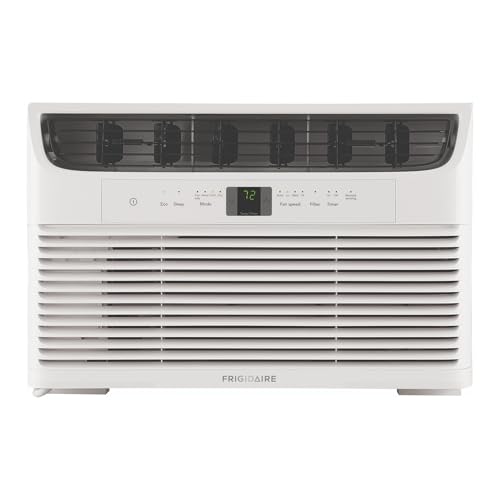
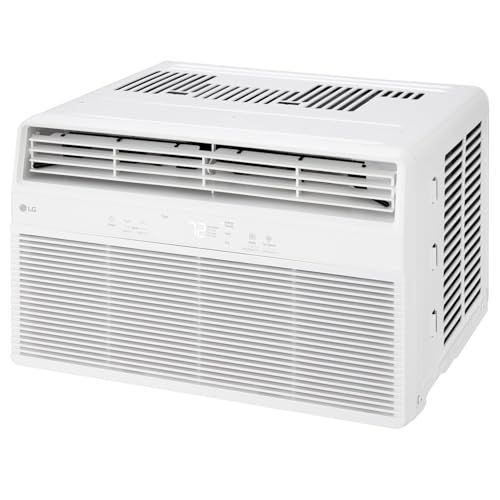
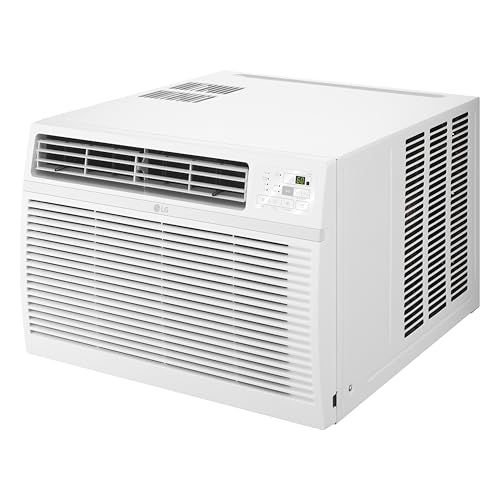
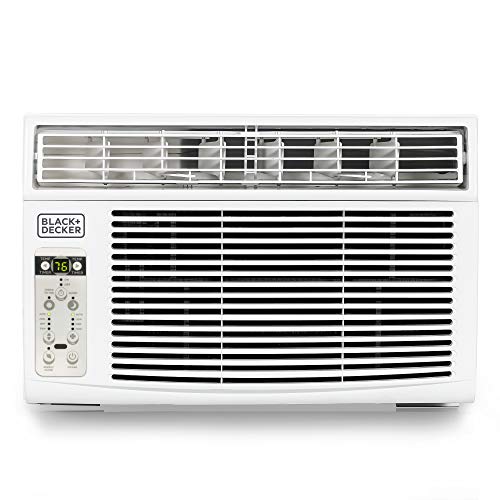
8000 BTU Window Air Conditioner Room Size Guide
Find out exactly how much space an 8000 BTU window AC can cool, which room types it suits best, and how to size it correctly before you buy.
EXPLORE SIZING GUIDEQuick Answer: What Room Size Does 8000 BTU Cool?
An 8000 BTU window air conditioner is generally designed to cool a room of approximately 300 to 400 square feet under standard conditions.
- 300 to 350 sq ft: comfortable cooling with a good reserve
- 350 to 400 sq ft: adequate cooling when insulation and sun exposure are typical
- Over 400 sq ft: likely undersized unless the space has minimal heat gain
Standard conditions assume ceilings around eight feet high, moderate insulation, average window area, and normal occupancy of two people. Real-world performance depends heavily on the factors explained below.
Understanding 8000 BTU Window AC Coverage
BTU, or British Thermal Unit, measures how much heat an air conditioner can remove from a room in one hour. An 8000 BTU window unit removes 8000 BTUs of heat per hour, which translates into a cooling capacity suited to mid-sized rooms. This is why the 8000 BTU air conditioner room size question is one of the most common research topics for window unit buyers.
Window units in the 8000 BTU class sit in a sweet spot between compact bedroom models and heavier whole-room systems. They usually run on standard 115-volt household circuits, which makes them practical for most US homes without electrical upgrades. However, the rated square footage is only a starting point. The actual cooling performance depends on heat load, which is a combination of room volume, sun exposure, insulation quality, window area, and the number of people and appliances inside.
For comparison, a 6000 BTU unit typically covers around 250 square feet, while a 10000 BTU unit reaches roughly 450 to 500 square feet. An 8000 BTU window AC sits between these tiers and is often described as a balanced tier option for bedrooms, small apartments, and single-room cooling setups.
BTU to Room Size Reference Table
The table below shows how 8000 BTU compares with common window AC capacities. Use it to quickly confirm whether your room falls inside the recommended range or whether you should step up or down a tier.
| Cooling Capacity | Recommended Room Size | Typical Use Case | Market Tier |
|---|---|---|---|
| 5,000 – 6,000 BTU | Up to 250 sq ft | Bedrooms, dorm rooms, home offices | Entry-level |
| 8,000 BTU | 300 – 400 sq ft | Bedrooms, studios, small living rooms | Balanced tier |
| 10,000 BTU | 400 – 500 sq ft | Large bedrooms, open living areas | Mid-tier |
| 12,000 BTU | 500 – 600 sq ft | Open-plan apartments, family rooms | High-end tier |
If your room is close to the 400 square foot boundary, consider the heat factors below before deciding. A room that is technically within range but heavily sun-exposed may still need a larger unit. Conversely, a well-insulated room with minimal sun exposure can stay comfortable at the upper end of the range.
Factors That Affect 8000 BTU Cooling Coverage
Square footage alone does not tell the full story. The following factors can shift the effective coverage of an 8000 BTU window AC by several dozen square feet in either direction.
Ceiling Height
Standard BTU charts assume ceilings around eight feet. A ten-foot ceiling increases air volume by roughly 25 percent, so you may need to add 10 to 20 percent extra capacity.
Sun Exposure
South- and west-facing rooms receive intense afternoon sun. Large unshaded windows can push a room past the 8000 BTU limit even if the square footage looks fine on paper.
Insulation Quality
Older homes with single-pane windows and limited wall insulation lose cool air quickly. Well-insulated modern rooms get more effective coverage from the same unit.
Occupancy
Each person adds roughly 400 to 600 BTUs of heat. A room regularly holding four or more people needs additional capacity beyond the base square footage rating.
Kitchen or Laundry Nearby
Appliances such as ovens, dryers, and refrigerators release heat. Rooms adjacent to or combined with these spaces should be treated as having a higher heat load.
Air Leakage
Gaps around doors, windows, and electrical outlets let warm air infiltrate. Sealing leaks is one of the most effective ways to get full performance from an 8000 BTU unit.
How to Size an 8000 BTU Window AC for Your Room
Follow these steps to confirm whether an 8000 BTU window unit is the right fit for your specific space.
- Measure the room dimensions. Multiply length by width to get square footage. For irregular rooms, break the space into rectangles and add the results together.
- Check the ceiling height. If ceilings exceed eight feet, calculate the extra volume and plan to add capacity proportionally, roughly 10 to 20 percent for ten-foot ceilings.
- Assess sun exposure. Note how many windows face south or west and whether they have blinds, awnings, or shade trees. Rooms with heavy sun exposure should be treated as one tier higher.
- Count occupants and heat sources. Add extra capacity for each additional regular occupant and for appliances such as computers, TVs, and kitchen equipment.
- Evaluate insulation and air sealing. Older windows, unsealed doors, and thin walls increase heat gain. Weatherstripping and window film can reduce the penalty significantly.
- Compare with the BTU table. Match your adjusted room profile against the reference table above. If you land near the top of the 8000 BTU range, confirm with a manual load calculation or consult a professional for high-stakes installations.
Which Rooms Suit an 8000 BTU Window Unit?
An 8000 BTU window air conditioner works best in single rooms where the cooling load stays within the 300 to 400 square foot range. The most common applications include:
| Room Type | Typical Size | Fit for 8000 BTU | Notes |
|---|---|---|---|
| Standard bedroom | 150 – 300 sq ft | Strong fit | Comfortable reserve capacity for hot nights |
| Master bedroom | 250 – 400 sq ft | Good fit | Works well if sun exposure is moderate |
| Studio apartment | 300 – 400 sq ft | Good fit | May need extra capacity if kitchen is included |
| Small living room | 300 – 400 sq ft | Conditional fit | Consider a higher tier for open layouts |
| Home office | 100 – 250 sq ft | Strong fit | Extra capacity helpful with electronics running |
| Large open-plan area | 400+ sq ft | Not ideal | Step up to 10000 BTU or higher |
If you are cooling a bedroom, the bedroom AC guide offers additional placement and noise considerations. For a studio or compact apartment, the small apartment AC recommendations page helps narrow down suitable configurations.
Is 8000 BTU Too Big or Too Small?
Choosing the wrong capacity creates problems in both directions. Understanding the symptoms helps you avoid a mismatch.
Signs an 8000 BTU unit is too small
- Continuous running: the compressor never cycles off because the room never reaches the set temperature.
- Uneven cooling: the area near the unit feels cool while the far side of the room stays warm.
- High humidity: an undersized unit cannot remove enough moisture, leaving the room clammy.
Signs an 8000 BTU unit is too large
- Short cycling: the unit cools the room quickly and shuts off before removing humidity, leaving a cold but damp feeling.
- Frequent starts and stops: repeated compressor cycling adds wear and reduces efficiency over time.
- Temperature swings: the room feels chilly, then warm, rather than steadily comfortable.
If you suspect the unit is undersized or oversized, review the AC sizing consequences guide for a more detailed breakdown of symptoms and remedies.
Window Unit Placement Tips for Best Coverage
Even a correctly sized 8000 BTU unit underperforms if it is installed in a poor location. Keep these placement principles in mind:
- Install the unit in a window that is shaded during the hottest part of the day when possible.
- Avoid windows directly above heat-producing appliances or in direct line with oven exhaust.
- Ensure the unit is level and tilted slightly outward so condensate drains properly.
- Seal gaps around the window frame with foam insulation or weatherstripping to prevent warm air infiltration.
- Keep furniture and curtains away from the front grille so airflow is not blocked.
- Use the unit's fan mode or a ceiling fan to circulate cool air deeper into the room.
If your window opening is unusually small, look at 8000 BTU units for small windows before committing to a standard-size model. For homes with restricted window access, a portable 8000 BTU air conditioner may be a practical alternative.
Efficiency and Long-Term Operation
An 8000 BTU window unit is generally efficient for its class when matched to the right room. To get the most out of it over the long run:
- Look for an ENERGY STAR certified 8000 BTU model when available, as it meets stricter efficiency thresholds.
- Clean or replace the filter every two to four weeks during peak season to maintain airflow and efficiency.
- Inspect the outdoor side of the unit for debris, leaves, and dirt that can block the condenser.
- Set the thermostat to a reasonable temperature rather than the lowest setting, which strains the compressor.
- Use the unit's timer or programmable settings to avoid cooling empty rooms.
- Seal the window frame thoroughly so the unit is not fighting constant warm-air infiltration.
Seasonal maintenance matters more than most buyers expect. A clean, well-sealed installation can preserve the rated coverage of the unit year after year, while a neglected one gradually loses effective capacity. The AC maintenance guide covers filter cleaning, coil care, and seasonal checklists in more detail.
Comparing 8000 BTU With Other Window AC Capacities
Buyers often narrow their shortlist to two capacities. Here is how 8000 BTU compares with the most common alternatives:
| Capacity | Room Size Range | Best For | Market Position |
|---|---|---|---|
| 6000 BTU window AC | 150 – 250 sq ft | Small bedrooms, dorms, offices | Entry-level |
| 8000 BTU window AC | 300 – 400 sq ft | Bedrooms, studios, small living rooms | Balanced tier |
| 10000 BTU window AC | 400 – 500 sq ft | Large bedrooms, family rooms | Mid-tier |
| 12000 BTU window AC | 500 – 600 sq ft | Open-plan apartments | High-end tier |
If your room falls between two capacities, lean toward the larger unit only when heat gain factors justify it. Oversizing invites short cycling and humidity problems, which undermine comfort even when the room technically reaches the target temperature.
Variants Within the 8000 BTU Window AC Category
The 8000 BTU window category includes several feature variants. Understanding them helps you match the unit to your room and usage pattern:
- 8000 BTU window AC with heat: adds a heating element for year-round use, useful in rooms without a separate heat source.
- 8000 BTU window AC with remote: convenience feature for adjusting settings without crossing the room.
- 8000 BTU 115-volt compact model: fits standard household circuits and smaller window frames.
- 8000 BTU unit for small windows: narrower chassis designed for limited window openings.
- Quiet eco smart 8300 BTU variant: slightly higher capacity with smart controls and lower noise operation.
If you are comparing window and portable options for the same room, the 8000 BTU portable AC room size guide explains how portable units differ in real-world coverage.
Common Sizing Mistakes to Avoid
- Relying on square footage alone: ignoring ceiling height, sun exposure, and insulation leads to mismatched capacity.
- Buying the largest unit that fits the window: oversized units short cycle and fail to dehumidify properly.
- Ignoring the electrical circuit: confirm the unit runs on your available voltage and that the circuit can handle the load.
- Skipping the window seal: an unsealed window frame lets warm air in and undermines even a correctly sized unit.
- Placing the unit in direct sun: a shaded window improves efficiency and effective coverage significantly.
- Assuming a higher BTU rating always cools faster: capacity must match the room, not exceed it.
Frequently Asked Questions
What room size does an 8000 BTU window air conditioner cool?
An 8000 BTU window air conditioner typically cools a room between 300 and 400 square feet under standard conditions. Rooms with high ceilings, direct sunlight, or poor insulation may require a higher-capacity unit.
Is 8000 BTU enough for a bedroom?
Yes, an 8000 BTU window unit is generally sufficient for a standard bedroom up to roughly 350 square feet. Larger master bedrooms or rooms with significant heat gain may benefit from a higher-capacity model.
Can an 8000 BTU window AC cool a living room?
It can cool a smaller living room within the 300 to 400 square foot range. Open floor plans or living rooms with large windows and heavy sun exposure usually need a more powerful unit.
What happens if I use an 8000 BTU AC in a room that is too large?
The unit will run continuously without reaching the set temperature, which increases energy use and wear on the compressor. The room may feel humid and unevenly cooled.
Does ceiling height affect 8000 BTU window AC coverage?
Yes. Standard BTU charts assume ceilings around eight feet. For ceilings of ten feet or higher, you should add roughly ten to twenty percent additional capacity to compensate for the larger air volume.
Related Sizing and Buying Guides
If you are still narrowing down the right capacity, these related guides cover adjacent topics that frequently come up during research:
Final Checklist Before You Buy
Use this checklist to confirm your decision with confidence:
- Room square footage falls between 300 and 400 square feet.
- Ceiling height is eight feet or less, or capacity is adjusted upward for taller ceilings.
- Sun exposure and window area are accounted for, not just floor area.
- Insulation and air sealing are in reasonable condition, or a larger unit compensates.
- Electrical circuit supports the unit's voltage and amperage requirements.
- Window opening accommodates the chassis size, or a small-window model is selected.
- Unit includes the features you need, such as a remote, heat mode, or smart controls.
- Installation plan includes sealing the window frame and positioning the unit in shade where possible.
With the right capacity match, an 8000 BTU window air conditioner delivers steady, efficient cooling for bedrooms, studios, and small living spaces. The key is treating the square footage rating as a starting point and adjusting for the real-world heat load of your specific room.