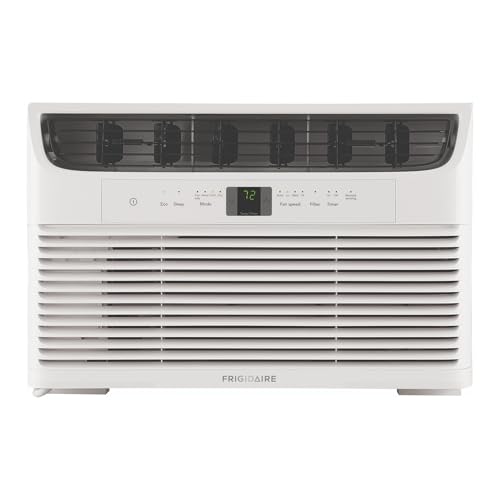
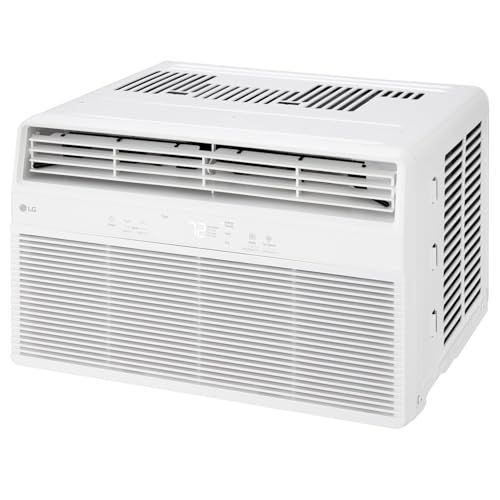
8000 BTU Window Air Conditioner: The Complete Buyer's Guide
Everything you need to know about 8000 BTU window units — room coverage, energy efficiency, installation, and how to pick the right model for your space.
Explore Recommended ModelsWhat Does 8000 BTU Mean for a Window Unit?
BTU stands for British Thermal Unit, and it measures how much heat an air conditioner can remove from a room in one hour. An 8000 BTU window air conditioner can remove 8,000 BTUs of heat per hour, which translates to a cooling capacity suitable for a medium-sized room. In the world of AC types, window units with this capacity sit right in the sweet spot between compact entry-level models and heavy-duty units designed for large open spaces.
Compared to a smaller 5,000 BTU unit that typically cools up to 150 square feet, an 8000 BTU model roughly doubles the coverage. At the same time, it remains light enough to install in a standard double-hung window without major structural modifications. This balance is why 8000 BTU window units are among the most commonly purchased capacities in the residential cooling market.
It is important to understand that BTU is not just a number — it directly affects how efficiently your unit runs. An undersized unit will run continuously without reaching the set temperature, while an oversized unit will cool too quickly and cycle on and off, leaving the room feeling clammy. Matching BTU to room size is the single most important decision you will make when buying a window air conditioner.
How Much Room Does an 8000 BTU Window AC Cool?
As a general rule, an 8000 BTU window air conditioner is designed for rooms between 300 and 350 square feet. That covers a typical master bedroom, a spacious home office, a small studio apartment, or a combined living and dining area in a compact home. However, room size alone does not tell the full story — several environmental factors can shift the effective cooling range up or down.
| Room Condition | Effect on Cooling Coverage | Recommendation |
|---|---|---|
| Standard room (average insulation, normal ceiling height) | Full 300–350 sq ft coverage | 8000 BTU is well matched |
| Sunny room with large west-facing windows | Reduced coverage due to solar heat gain | Consider 10,000 BTU or add shading |
| Kitchen or room with heat-producing appliances | Reduced coverage; extra heat load | Step up one capacity tier |
| Well-insulated room with ceiling fans | Slightly increased effective coverage | 8000 BTU can handle up to 375 sq ft |
| Top-floor room with poor insulation | Significantly reduced coverage | Consider 12,000 BTU |
Pro Tip: Measure Before You Buy
Multiply the length and width of your room in feet to get the square footage. If the result falls between 300 and 350, an 8000 BTU window unit is a solid fit. If your room has unusual heat loads, use the table above to adjust your estimate. You can also read our detailed guide on how to size an air conditioner for a more precise calculation.
Who Is an 8000 BTU Window Unit Best For?
An 8000 BTU window air conditioner is an excellent match for several types of users and living situations. Understanding whether you fall into one of these categories will help you decide if this capacity is right for you.
- Bedroom owners: A master bedroom or a large secondary bedroom in the 300–350 sq ft range is the ideal candidate. Window units in this capacity cool quickly and run quietly enough for nighttime use.
- Home office workers: If you spend eight hours a day in a medium-sized office, an 8000 BTU unit provides consistent comfort without the installation complexity of a mini-split system.
- Apartment dwellers: Renters who cannot modify their building's HVAC system often turn to window units. The 8000 BTU size fits most standard windows and does not require permanent alterations.
- Living room cooling: In smaller homes or apartments where the living area is under 350 sq ft, an 8000 BTU unit can serve as the primary cooling source.
- Supplemental cooling: Homeowners with central air who want to cool a hot room without lowering the whole-house thermostat will find this capacity effective and efficient.
If your room is significantly larger than 350 square feet, you may want to explore higher-capacity options or consider a ductless mini-split AC for more even distribution. Conversely, if your room is under 250 square feet, a smaller 5,000–6,000 BTU unit may be a better match.
Key Features to Look For in an 8000 BTU Window AC
Not all 8000 BTU window units are created equal. The features below separate an entry-level model from a mid-range or premium unit, and they directly affect comfort, energy use, and long-term reliability.
Energy Efficiency Ratio (EER)
A higher EER means the unit uses less electricity to produce the same cooling output. Look for models with an EER of 12 or higher for strong efficiency in this capacity class. Learn more in our guide to ENERGY STAR certified AC.
Inverter Compressor
Inverter technology allows the compressor to adjust speed rather than cycling on and off. This delivers more stable temperatures and lower energy consumption over time. See our comparison of inverter vs normal AC.
Dehumidification Mode
An 8000 BTU unit with a dedicated dry mode removes excess moisture without over-cooling the room. This is especially useful in humid climates. Explore 8000 BTU AC with dehumidifier options.
Smart Controls
Wi-Fi connectivity and app-based scheduling let you control the unit remotely. A smart AC thermostat integration can further optimize energy use.
Noise Level
Window units typically range from 50 to 60 decibels. Models designed for bedrooms often operate closer to 50 dB on low settings, which is roughly the sound of a quiet conversation.
Installation Kit
A complete installation kit should include mounting brackets, window seals, and insulation foam. Proper sealing prevents cool air from escaping and keeps insects out.
Energy Efficiency and Long-Term Operation
Energy efficiency is one of the most important considerations when choosing an 8000 BTU window air conditioner. Because these units are often used for several hours a day during summer, even a small difference in efficiency can add up over a season. The EER rating tells you how many BTUs of cooling the unit delivers per watt of electricity consumed — the higher the number, the more efficient the unit.
Modern 8000 BTU window units have improved significantly in efficiency compared to models from a decade ago. Entry-level units typically carry an EER around 11, while mid-range models reach 12, and premium units can exceed 13. If you plan to run the unit daily, investing in a higher-efficiency model is a worthwhile long-term investment. You can also reduce operating load by following basic coil cleaning routines and sealing gaps around the window frame.
Another efficiency factor is compressor type. Traditional single-speed compressors cycle on and off to maintain temperature, which wastes energy during startup. Inverter-driven compressors modulate their speed continuously, maintaining a steadier temperature with less energy waste. If quiet operation and consistent comfort are priorities, an inverter model is worth considering. For a broader look at efficient systems, see our overview of energy-efficient HVAC systems.
Installation Considerations for Window Units
Installing an 8000 BTU window air conditioner is a manageable DIY project for most homeowners, but there are several factors to get right. First, confirm that your window is compatible. Double-hung windows are the standard match for window units, while sliding or casement windows may require a special bracket or a different unit design. If you have side-sliding windows, see our guide on window unit AC for side-sliding windows.
Second, check the weight of the unit and ensure your window frame can support it. An 8000 BTU unit typically weighs between 50 and 65 pounds. Most kits include a support bracket that transfers weight to the exterior wall, but it is still wise to inspect the frame for rot or looseness before installation.
Third, seal the gaps. Foam insulation and weather stripping around the unit prevent cool air from leaking out and hot air from seeping in. A poor seal can reduce efficiency by 10–20 percent and allow insects into the room. If you prefer professional help, look into window air conditioner installation service options in your area.
Installation Checklist
✓ Confirm window type and width compatibility
✓ Check unit weight and frame condition
✓ Use the included support bracket
✓ Seal all gaps with foam and weather stripping
✓ Tilt the unit slightly outward so condensation drains properly
✓ Plug into a dedicated circuit if required by the manufacturer
Maintenance Tips to Keep Your Unit Running Efficiently
Regular maintenance extends the life of your 8000 BTU window air conditioner and keeps it operating at peak efficiency. The single most important task is cleaning or replacing the air filter. A clogged filter restricts airflow, forcing the compressor to work harder and reducing cooling performance. Most manufacturers recommend checking the filter every two weeks during heavy use and cleaning it monthly.
Beyond the filter, the evaporator and condenser coils should be cleaned at least once per season. Dust and debris buildup on the coils insulates them and reduces heat transfer, which directly lowers efficiency. Our guide on how to clean the coils of an air conditioner walks through the process step by step.
At the end of the cooling season, remove the unit from the window, clean it thoroughly, and store it in a dry place. If you notice reduced cooling performance despite regular maintenance, it may be time for window air conditioner repair. Common symptoms like weak airflow or warm air output are addressed in our article on window AC not blowing cold air but running.
Common Problems and Troubleshooting
Even well-maintained units can develop issues over time. Understanding the most common problems helps you decide whether to troubleshoot yourself or call a professional. Here are the issues owners of 8000 BTU window units report most often:
- Not cooling effectively: Often caused by a dirty filter, blocked airflow, or low refrigerant. Start with filter cleaning and coil inspection before assuming a refrigerant problem.
- Water dripping inside the room: Usually a sign that the unit is not tilted correctly or that the drain hole is clogged. Check the installation angle first.
- Ice forming on the coils: Restricted airflow or low refrigerant can cause the evaporator coil to freeze. Turn off the unit, let it thaw, and investigate the cause.
- Loud rattling or vibration: Loose mounting hardware or debris inside the unit is often the culprit. Tighten the bracket and inspect the fan area.
- Unit cycling on and off rapidly: This can indicate an oversized unit, a thermostat issue, or a dirty condenser coil.
If basic troubleshooting does not resolve the issue, a qualified technician can diagnose the problem. For related reading, see our guides on AC not blowing cold air in the house and AC fan blowing but no cold air.
How 8000 BTU Window Units Compare to Other Cooling Options
Before committing to a window unit, it helps to understand how it compares to other common cooling solutions. The right choice depends on your room layout, budget flexibility, and installation constraints.
| Cooling Option | Best For | Considerations |
|---|---|---|
| 8000 BTU Window AC | Medium rooms with standard windows | Simple install, good efficiency, requires window space |
| Portable AC (8000 BTU class) | Rooms where window mounting is not possible | More flexible placement, generally less efficient than window units |
| Ductless Mini-Split | Whole-room or multi-room cooling with minimal noise | Higher upfront investment, professional installation recommended |
| Central Air Conditioning | Whole-home cooling with ductwork in place | Highest comfort and coverage, requires existing ducts and significant investment |
For a full breakdown of cooling system categories, visit our different types of air conditioning systems guide. If you are specifically considering a portable alternative, our overview of portable air conditioners may help.
What to Check Before You Buy
When you are ready to purchase an 8000 BTU window air conditioner, run through this final checklist to make sure the model you choose fits your needs and your home:
- Confirm the BTU rating matches your room size. Use the sizing table above as a starting point and adjust for heat loads.
- Check the EER rating. Higher is better for efficiency, especially if the unit will run for long hours.
- Verify window compatibility. Measure the window opening and compare it to the unit's minimum and maximum window width requirements.
- Read the noise specifications. If the unit is for a bedroom, look for models rated below 55 dB on low.
- Look for a complete installation kit. Brackets, seals, and foam should be included or readily available.
- Consider smart features. Wi-Fi control, programmable timers, and remote access add convenience and can improve energy management.
- Check warranty terms. A longer compressor warranty is a good indicator of build confidence.
For homeowners who also want year-round climate control, a heat pump air handling unit paired with a window unit can cover both heating and cooling needs. If you are adding cooling to an existing furnace system, see our guide on adding air conditioning to a furnace.
Frequently Asked Questions
Is 8000 BTU enough for a bedroom?
Yes, for most standard bedrooms between 300 and 350 square feet, an 8000 BTU window unit provides adequate cooling. If the bedroom is larger, receives direct afternoon sun, or has poor insulation, consider stepping up to a 10,000 BTU model.
How many amps does an 8000 BTU window AC use?
Most 8000 BTU window units draw between 6 and 8 amps on a standard 115-volt circuit. Always check the manufacturer's specifications and ensure the outlet you use can handle the load. A dedicated circuit is recommended for continuous operation.
Can an 8000 BTU window unit cool a living room?
It can cool a small living room or a combined living-dining area up to roughly 350 square feet. For open floor plans or larger living spaces, a higher-capacity unit or a ductless mini-split system will provide more consistent comfort.
How often should I clean the filter?
Check the filter every two weeks during periods of heavy use, and clean or replace it at least once a month. A clean filter maintains airflow, improves cooling performance, and reduces strain on the compressor.
Is an inverter 8000 BTU window unit better than a standard model?
Inverter models generally offer more stable temperatures, quieter operation, and better energy efficiency over long run times. Standard models may suit occasional use or tighter installation constraints. The right choice depends on how often you plan to run the unit.
Ready to Choose Your 8000 BTU Window AC?
Browse our curated selection of recommended models below. Each option is chosen for its balance of cooling performance, efficiency, and build quality in the 8000 BTU class.