Actuator AC Replacement: What Every Homeowner Should Know Before Booking Service
If your air conditioner suddenly blows only warm air from certain vents, makes a clicking sound behind the dashboard of your home's HVAC controls, or refuses to switch between heating and cooling modes, a failed actuator is often the culprit. This guide explains what an actuator does, how to recognize the signs of failure, what the replacement process involves, and how to decide whether to repair or take a broader look at your system. By the end, you will have the confidence to make an informed decision before you buy any replacement part or book a technician.
What Is an Actuator in an AC System?
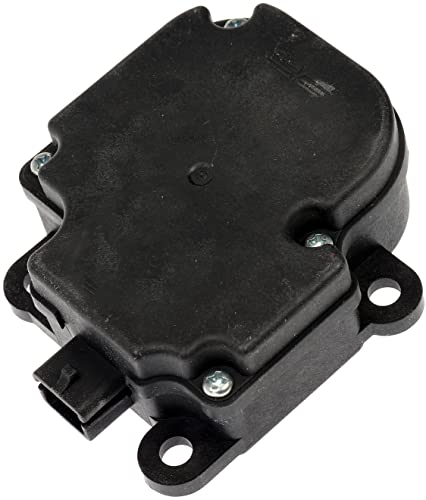
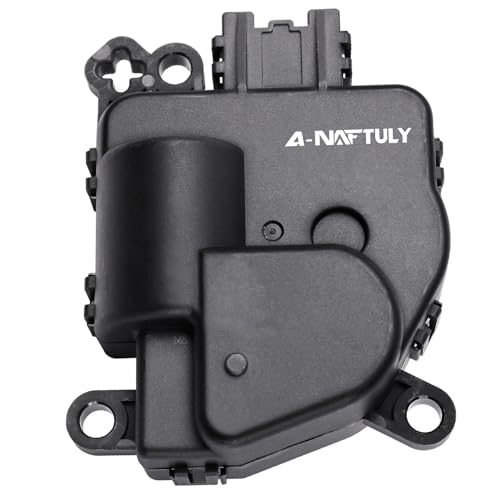
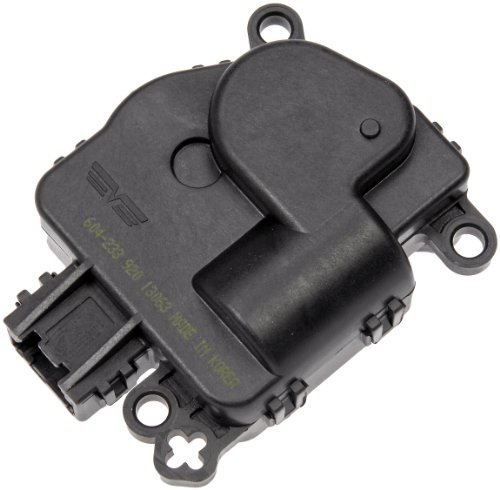
An actuator is a small electromechanical motor that controls the movement of doors and valves inside your HVAC system. In a typical residential air conditioner or heat pump, actuators are most commonly found on blend door assemblies, where they rotate a flap to mix warm and cool air, and on zone dampers, where they open or close ducts to direct conditioned air to specific rooms. When you adjust the thermostat or switch between heating and cooling, the control board sends a signal to the actuator, which moves to the commanded position. If the actuator fails, the door may stay stuck open, stuck closed, or in an intermediate position — which is why you may feel uneven temperatures or a complete loss of cooling in one part of the house.
Modern inverter systems and variable-speed units rely on actuators even more heavily because precise airflow control is part of how they deliver efficiency. If you are still comparing system types before committing to a repair, our guide to inverter AC technology explains why these components matter for long-term performance.
Common Symptoms of a Failing AC Actuator
Actuators rarely fail without warning. Most homeowners notice one or more of the following signs before the system stops working properly:
- Uneven cooling or heating — one room stays warm while another freezes, even though the thermostat is set correctly.
- Clicking or ticking sounds from the air handler or behind the thermostat wall plate when the system changes modes.
- Air keeps blowing after the system shuts off because a damper is stuck in the open position.
- No airflow from specific vents when a zone damper actuator fails closed.
- Mode switching does not work — the system stays in cooling when you call for heat, or vice versa.
- Thermostat display shows a fault code related to damper position or blend door calibration.
It is worth noting that similar symptoms can come from a failing thermostat, a blower motor issue, or a control board problem. Before assuming the actuator is at fault, rule out simpler causes. Our article on central AC stopped cooling walks through a systematic diagnostic sequence that can save you an unnecessary service call.
How the Replacement Process Works
Actuator replacement is generally a straightforward repair, but the difficulty depends on where the actuator is mounted. Blend door actuators behind the dashboard of a packaged unit or inside a tight air handler closet can be awkward to reach, while zone damper actuators mounted on accessible ductwork are usually quick to swap. A typical service visit follows these steps:
- Diagnosis and confirmation. The technician verifies the actuator is receiving power and a control signal, then confirms the motor itself has failed rather than the control board or wiring.
- System isolation. Power to the air handler or furnace is shut off at the breaker, and refrigerant or electrical connections are left undisturbed.
- Access and removal. The old actuator is unplugged, its mounting screws are removed, and the linkage or damper shaft is separated carefully to avoid bending the door.
- Installation and calibration. The new actuator is mounted, connected, and cycled through its full range so the control board can learn its stop positions.
- Verification. The technician tests mode changes, zone airflow, and thermostat response, then confirms no fault codes remain.
Many homeowners ask whether they can handle this as a DIY project. On accessible zone dampers, a confident DIYer with a multimeter can often manage it. On blend doors buried inside a packaged unit, the risk of damaging linkage or misaligning the door makes professional service the safer choice. If you are weighing a DIY repair against professional service for a related component, our breakdown of AC unit fan motor replacement offers a useful comparison of what is realistically doable at home.
Factors That Influence the Scope of the Service
Two identical-looking actuator failures can require very different amounts of labor. The table below summarizes the main variables so you can set realistic expectations before you book service. Note that we describe relative tiers rather than specific figures, because service scope varies by region, system age, and accessibility.
| Factor | Entry-Level Scenario | Mid-Range Scenario | High-End Scenario |
|---|---|---|---|
| Actuator location | Externally mounted zone damper, easy access | Air handler closet with moderate clearance | Packaged unit or tight ceiling cavity requiring partial disassembly |
| Number of actuators | Single actuator replacement | Two actuators on the same service visit | Full zone system recalibration across multiple dampers |
| System type | Conventional single-stage system | Two-stage or standard heat pump | Variable-speed inverter system with proprietary actuators |
| Part availability | Universal aftermarket actuator in stock | OEM part with next-day availability | Special-order OEM actuator with extended lead time |
| Additional findings | Actuator only | Actuator plus damper linkage wear | Actuator plus control board fault or ductwork correction |
Because the variables above can shift the scope significantly, a reputable technician will diagnose first and quote after, rather than quoting a flat figure over the phone. Be cautious of any contractor who commits to a firm number without inspecting the system — that is a red flag for later add-on charges.
Editorial note: Our tier descriptors describe relative service scope and part positioning in the market. They are not linked to any currency or numeric figure, and they remain meaningful regardless of when you read this guide.
Repair or Replace: Making the Right Call
An actuator replacement is almost always a repair rather than a replacement decision, because the component is a small control part rather than a core system element. However, if your system is older and the actuator failure is accompanied by compressor noise, refrigerant leaks, or repeated control board faults, it may be worth evaluating the whole system. Our comparison of AC unit compressor replacement explains how to weigh a major component repair against a full system upgrade. Similarly, if you are already planning broader work, our overview of air conditioning system replacement helps you understand how smaller repairs fit into a larger project timeline.
As a general rule of thumb: replace the actuator if the rest of the system is healthy and the failure is isolated. Investigate a broader upgrade if the actuator is the third or fourth control-component failure in as many years, or if the system is past its expected service life. Our guide on how long an AC lasts gives you a realistic benchmark for your system's age.
Preventive Steps to Extend Actuator Life
Actuators fail most often because of dust, moisture, or repeated cycling against a sticking damper. A few habits can meaningfully extend their service life:
- Replace air filters on schedule so dust does not migrate into the air handler and coat the actuator motor and linkage.
- Schedule an AC tune-up service annually so a technician can lubricate damper linkages and verify actuator calibration before failure.
- Keep the air handler closet dry; moisture accelerates corrosion on the actuator's internal contacts.
- Avoid frequent rapid mode switching on the thermostat, which forces the actuator to cycle unnecessarily.
- If you have a zoned system, test each zone at least once a month during the cooling season to confirm dampers are moving freely.
If you already have an annual maintenance contract, confirm with your provider that damper and actuator inspection is included — it is not always part of a standard tune-up checklist.
When to Call a Professional
You should call a licensed HVAC technician if you are unsure which actuator has failed, if the actuator is located inside a sealed air handler, or if the system shows multiple fault codes at once. Attempting a repair on a misdiagnosed control board can turn a simple actuator swap into a much larger project. If you are also noticing water around the unit, address that first — our guide on AC leaking water explains why moisture and electrical components should never be ignored.
For homeowners in commercial or multi-zone buildings, the calculus changes because a failed damper actuator can unbalance an entire floor. Our article on AC for office buildings covers zoning considerations that apply to larger systems.
Frequently Asked Questions
How long does an actuator replacement typically take?
Most accessible single-actuator replacements are completed within one service visit, often in under two hours including diagnosis and calibration. Packaged units with concealed blend doors can take longer because of disassembly and reassembly time.
Can I replace an actuator myself?
On externally mounted zone dampers, yes — provided you have the correct replacement part and a multimeter to verify the control signal. On blend doors inside a packaged unit, professional service is strongly recommended because linkage misalignment can cause persistent temperature imbalance.
Will a failed actuator damage my compressor?
A failed actuator itself does not damage the compressor. However, a stuck damper can cause the system to run longer than necessary, which increases wear on all components over time. Addressing the actuator promptly is the best way to protect the rest of the system.
How do I know if the problem is the actuator or the thermostat?
If the thermostat responds to input but the airflow does not change, the actuator or damper is the likely culprit. If the thermostat itself is unresponsive, shows a blank display, or loses its schedule, the thermostat is the more likely cause. Our guide to AC thermostat service covers thermostat-side diagnostics in detail.
Should I replace all actuators at once?
Not necessarily. If multiple actuators were installed at the same time and one has failed, the others may follow, but replacing them preemptively is a judgment call. A technician can test the remaining actuators' response time and recommend replacement only where wear is evident.
Ready to compare replacement parts and system options before booking service? Explore our curated selection of air conditioning components and systems.
View Recommended Products