
Air Conditioning Ventilation: The Complete Guide
Understand how ventilation drives comfort, efficiency, and indoor air quality in your home cooling system — and how to make every vent count.
Start LearningAC Units Guide Philosophy: A well-designed air conditioning system is only as good as its ventilation. Before choosing an air conditioning unit, understand how air travels through your home — the right ductwork and ventilation often matter more than the box outside.
What Air Conditioning Ventilation Really Means
Air conditioning ventilation is the network of ducts, vents, registers, and return grilles that moves conditioned air from your air handler into living spaces and pulls stale air back for reconditioning. It is the circulatory system of your home's cooling — and just like blood vessels, when it is blocked or leaky, the whole system suffers.
Many homeowners focus entirely on the outdoor condenser unit, but ventilation is where comfort is actually delivered. Even a premium split system will underperform if ducts leak, vents are obstructed, or returns are undersized. Understanding ventilation helps you diagnose comfort problems and make smarter decisions about replacement or upgrades.
Key Components of an AC Ventilation System
A well-functioning ventilation system includes several coordinated parts, each playing a specific role:
- Supply ducts and registers: Deliver cooled air into rooms. Registers often have adjustable louvers to direct airflow.
- Return-air grilles and ducts: Pull warm, stale air back to the air handler for filtration and reconditioning.
- Air handler: Houses the blower that pushes air through the ductwork. A weak blower undermines even well-designed ducts.
- Dampers: Adjustable plates inside ducts that balance airflow between zones or rooms.
- Filtration: The air filter for your HVAC system captures particles before air re-enters the living space.
- Fresh-air intake (optional): Introduces outdoor air to improve indoor air quality and dilute pollutants.
If any component is undersized, leaking, or blocked, ventilation efficiency drops — and so does comfort.
How Supply and Return Ventilation Work Together
Think of your home as a closed pressure loop. The blower pushes cool air through supply ducts into rooms (positive pressure), while return grilles pull air back toward the air handler (negative pressure). For this loop to work, the volume of supply air must roughly match the volume of return air.
When return air is restricted — for example, a single small return grille serving several closed bedrooms — rooms become pressurized. Cool air struggles to enter, doors may whistle or resist closing, and the system runs longer. Conversely, too many returns can reduce throw from supply registers. Balanced ventilation is the goal.
Why Proper Ventilation Matters
Ventilation affects far more than temperature. Here is what proper airflow delivers:
- Consistent comfort: Even distribution prevents hot and cold spots across rooms and floors.
- Energy efficiency: Sealed, balanced ducts reduce the runtime needed to reach setpoint — less strain on the compressor.
- Indoor air quality: Adequate ventilation and filtration remove dust, allergens, and excess humidity.
- Equipment longevity: Reduced static pressure means the blower and compressor work under design conditions.
- Humidity control: Proper airflow across the evaporator coil improves dehumidification, which matters in humid climates.
If your system struggles to keep up, the issue may not be the unit itself but the ductwork. Our guide on AC units not cooling properly walks through ventilation-related causes worth checking first.
Common Ventilation System Configurations
Homes use different ventilation layouts depending on construction era, climate, and HVAC equipment:
| Configuration | Best For | Notes |
|---|---|---|
| Ducted central ventilation | Whole-home cooling with existing ductwork | Most common in North American homes; relies on balanced supply and return design. |
| Ductless mini-split ventilation | Homes without ducts, room additions, older properties | No central ductwork; each indoor head circulates air locally. See our AC unit for a room without a window guide. |
| Zoned ducted systems | Multi-story homes and large floor plans | Dampers divide the home into zones, allowing independent temperature control. |
| Hybrid fresh-air ventilation | Homes with tight envelopes and poor natural infiltration | An intake duct introduces filtered outdoor air to improve indoor air quality. |
| Through-the-wall ventilation | Apartments and rooms without duct access | Self-contained units; ventilation is localized. See wall-mounted AC units. |
Signs Your Ventilation Needs Attention
Watch for these warning signs that airflow is compromised:
- Rooms that never reach the thermostat setting while others overcool
- Weak airflow from supply registers, or noticeable draft near returns
- Dust accumulating quickly around vents or on furniture
- Whistling or rattling sounds at grilles and registers
- High humidity indoors even when the AC runs frequently
- Doors that are hard to open or close when the system runs
- Musty odors near vents, which may indicate moisture in ducts
If you notice water near vents or the air handler, treat it as urgent. Our guide on an AC unit leaking water explains common causes and when to call a technician.
How to Improve Ventilation in Your Home
You do not need a full system replacement to improve ventilation. Start with these practical steps:
- Seal duct leaks: Use mastic sealant or foil tape at joints, especially in attics and crawlspaces. Leaky ducts can waste a significant share of conditioned air.
- Balance dampers: Adjust branch dampers so that airflow matches room size and usage. A professional can perform a room-by-room airflow test.
- Clear obstructions: Remove furniture, curtains, or rugs blocking supply and return grilles. Keep at least a few inches of clearance.
- Upgrade filtration: Use a filter rated for your system's static pressure. Overly restrictive filters choke airflow; see air flow for furnace filter guidance.
- Add return-air paths: In homes with closed bedroom doors, transfer grilles or jump ducts allow air to return without pressurizing rooms.
- Schedule duct cleaning: If you see visible debris or have had renovations, professional air duct cleaning in your area can restore airflow and hygiene.
- Consider duct sealing from inside: Aeroseal-style sealing addresses small leaks that manual sealing cannot reach.
For persistent issues, a professional assessment is worthwhile. Our guide to AC service and maintenance covers what a proper ventilation inspection includes.
Ventilation Maintenance Schedule
Keep ventilation performing at its best with a simple routine:
| Task | Frequency | Why It Matters |
|---|---|---|
| Dust supply and return grilles | Monthly | Prevents buildup that restricts airflow and circulates dust. |
| Replace or clean air filter | Every 1–3 months | Protects blower and coil; maintains design static pressure. |
| Inspect visible ductwork for leaks or disconnections | Seasonally | Catches energy-wasting leaks before they worsen. |
| Professional duct inspection | Every 2–3 years | Identifies hidden leaks, poor insulation, and contamination. |
| Full duct cleaning | Every 3–5 years or after renovations | Removes accumulated debris and improves indoor air quality. |
| Airflow and static pressure test | Every 3–5 years | Confirms the system operates within design specifications. |
Not Sure If Your Ventilation Is Performing?
A qualified technician can measure airflow, check duct leakage, and verify static pressure. For ventilation-specific guidance, explore our resources on air ducting installation and air duct repair.
Explore Service OptionsFrequently Asked Questions
What is air conditioning ventilation?
Air conditioning ventilation is the system of ducts, vents, and registers that distributes conditioned air throughout a home and returns stale air to the air handler. Proper ventilation ensures balanced airflow, consistent temperatures, and healthy indoor air quality.
Why is proper ventilation important for an AC system?
Proper ventilation prevents pressure imbalances, reduces energy waste, improves indoor air quality, and extends the life of your HVAC equipment. Poor ventilation can cause hot spots, high humidity, and increased strain on the compressor.
How often should AC vents and ducts be cleaned?
Most homes benefit from professional duct cleaning every three to five years, while vents and registers should be dusted monthly. Homes with pets, allergies, or recent renovations may need more frequent attention.
Can I improve ventilation without replacing my AC system?
Yes. Sealing duct leaks, balancing dampers, cleaning vents, upgrading filters, and adding a return-air path are effective ways to improve ventilation without replacing the system.
What is the difference between supply and return ventilation?
Supply ventilation pushes conditioned air into rooms, while return ventilation pulls air back to the air handler for reconditioning. Both sides must be balanced for the system to perform efficiently.
Does ventilation affect indoor air quality?
Absolutely. Ventilation moves air through filters and across the evaporator coil, removing particles and controlling humidity. Poor ventilation allows pollutants and moisture to accumulate, which can affect comfort and health.
Recommended Ventilation & Airflow Products
⚠️ AFFILIATE DISCLOSURE: This website contains affiliate links. As an Amazon Associate, we earn from qualifying purchases. If you make a purchase through these links, we may receive a small commission at no additional cost to you. Read our full affiliate policy.

Principles of Heating, Ventilation, and Air Conditioning in Buildings
Check price on Amazon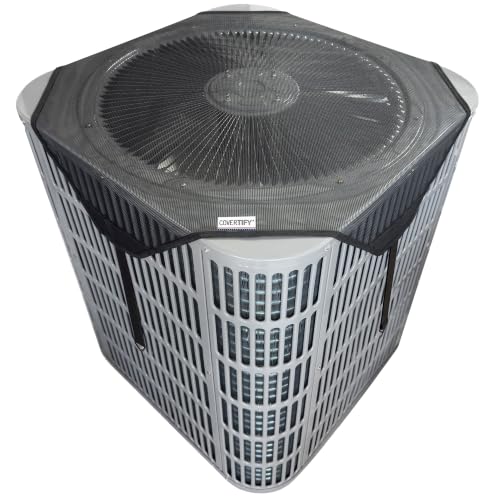
COVERTIFY Central Air Conditioner Covers for Outside, 36x36in Breathable AC Covers Outdoor, Mesh Air Conditioning Cover - Leaf Guard, Pine Needle Protection
Check price on Amazon
Modern Refrigeration and Air Conditioning
Check price on Amazon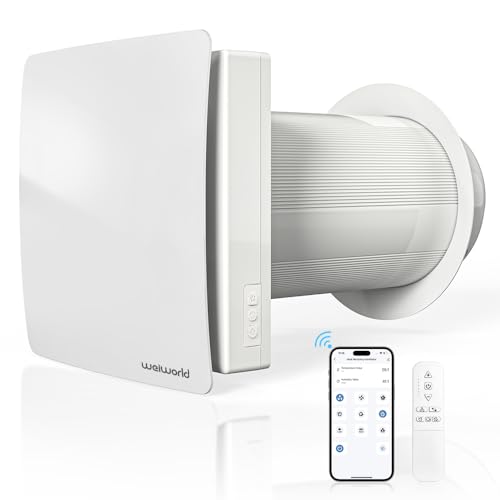
Weiworld Through Wall HEPA Ventilation Fan with WiFi & Remote Control, Ultra Quiet EC Motor Wall Vent, Fresh Air Intake & Air Exchange System for Bedroom, Home Office, Attic
Check price on Amazon
Central Air Conditioner Covers for Outside Units 36'' x 36'', AC Mesh Covers for Outside Unit, AC Unit Cover Outdoor Air Conditioner Condenser Hvac Heat Pump Cover Breathable Top Universal Defender
Check price on Amazon
Modern Air Conditioning, Heating and Ventilation
Check price on Amazon
Refrigerant Charging and Service Procedures for Air Conditioning
Check price on Amazon
Heating, Ventilating and Air Conditioning: Analysis and Design
Check price on AmazonDisclaimer
Some of the content on this site uses AI assistance. Information is provided for educational purposes only. We are not responsible for any losses resulting from the use of this information. By using this site, you waive any right to bring legal claims against us arising from your use of the information provided. If you do not agree, please do not use this site. Read the full disclaimer.