Air Conditioning Unit for a Room Without a Window
Practical, reliable cooling solutions for interior rooms, basements, home offices, and spaces with no window access. Compare ductless mini-splits, through-the-wall units, and vented portable systems before you choose.
Explore SolutionsWhy this guide matters: A room without a window presents a unique cooling challenge. Standard window air conditioners are out of the question, and many portable units need an exhaust path. Fortunately, several proven systems can cool a windowless room effectively. This guide explains each option, how it works, and what to consider so you can make a confident decision before buying.
Understanding the Windowless Room Cooling Challenge
A conventional air conditioner works by removing heat from indoor air and releasing it outside. In a room with a window, that transfer point is simple. In a windowless room, the challenge is creating a safe, efficient path for heat and exhaust to leave the space. There are also ventilation considerations: interior rooms can feel stuffy, so the ideal solution often combines cooling with at least modest air movement. Three approaches solve this problem: ductless mini-splits, through-the-wall units, and portable ACs paired with a wall vent kit. Each has trade-offs in installation effort, cooling performance, and flexibility.
The Main Solutions Compared
Ductless Mini-Split System
A ductless mini-split pairs an indoor wall-mounted air handler with an outdoor condenser. The two connect through a small hole in an exterior wall, typically a few inches wide, which carries refrigerant lines, drainage, and wiring. Because the compressor lives outdoors, the indoor unit runs quietly and delivers strong, consistent cooling. This is widely considered the most effective solution for a windowless room that has at least one exterior wall. For interior rooms with no exterior wall, lines can sometimes be routed through adjacent spaces to reach an outdoor location, though this requires professional planning.
- Strong, even cooling
- Very quiet indoors
- No window required
- Efficient in the long run
- Professional installation needed
- Higher upfront investment
- Requires exterior wall access
Through-the-Wall AC Unit
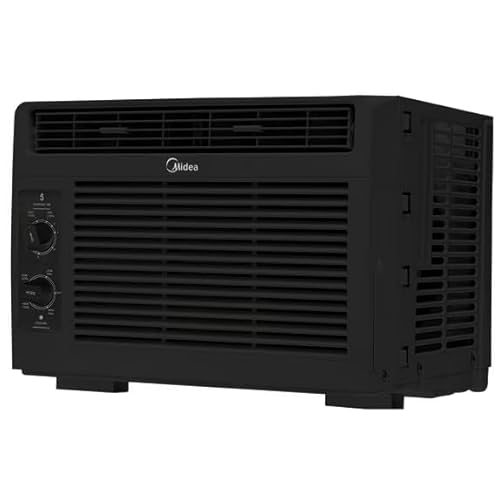
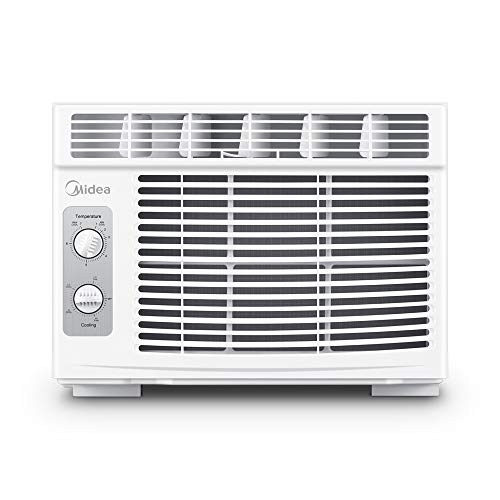
A through-the-wall air conditioner is installed into a sleeve built into an exterior wall. It looks similar to a window unit but does not need glass or a window frame. The unit pulls indoor air across evaporator coils and rejects heat directly outside through the wall. This is a solid choice when you have an exterior wall and want a self-contained system without outdoor refrigerant lines. A professional cut and sleeve installation keeps the wall structurally sound and weather-tight.
- Self-contained system
- No window or ductwork
- Reliable cooling performance
- Requires wall modification
- Less flexible to relocate
- Some indoor noise
Portable AC with Wall Vent Kit
A portable air conditioner is a freestanding unit that collects heat and moisture and expels it through an exhaust hose. Most models are designed to route the hose through a window, but with an aftermarket or manufacturer wall vent kit, the hose can exit through an exterior wall instead. This makes portable AC viable for a windowless room as long as there is a path to an exterior wall. Portable units are the simplest to deploy, but they are generally less efficient than mini-splits and can be noisier.
- Simple to set up
- No major structural work
- Can be moved between rooms
- Needs an exhaust path
- More indoor noise
- Less efficient than mini-splits
Ducted or Central Zoning Add-On
If the windowless room is part of a larger home with existing ductwork, a zoning damper or a small ducted add-on can deliver cooled air to the space without any window or wall penetration in the room itself. This is a good fit when the home already has a central system and the interior room is under-served. A contractor can assess whether the existing blower and duct layout can support an additional zone.
- No visible indoor equipment
- Integrates with existing system
- Even air distribution
- Depends on existing ductwork
- Requires professional design
- Not viable for every home
Side-by-Side Comparison
| Feature | Ductless Mini-Split | Through-the-Wall AC | Portable AC + Wall Vent |
|---|---|---|---|
| Window required | No | No | No (with wall vent kit) |
| Exterior wall access | Yes (small hole) | Yes (sleeve opening) | Yes (vent opening) |
| Indoor noise level | Very quiet | Moderate | Moderate to high |
| Cooling performance | Strong and consistent | Reliable | Adequate for smaller rooms |
| Installation effort | Professional | Professional wall work | DIY-friendly with kit |
| Portability | Fixed | Fixed | Movable |
| Best for | Long-term comfort | Permanent installs | Temporary or rental spaces |
How Installation Works in a Windowless Room
- Assess the room and exterior access. Identify whether the room has an exterior wall, the nearest exterior surface, and any structural constraints. A contractor or a careful DIY survey of the space determines which solution is feasible.
- Calculate the cooling load. Use a room load calculation that accounts for square footage, ceiling height, insulation, occupants, and heat-producing equipment. Windowless rooms often have lower solar heat gain, but internal heat sources still matter.
- Choose the system type. Select a mini-split, through-the-wall unit, or vented portable AC based on whether the room is permanent or temporary, whether wall modification is acceptable, and how quiet the space needs to be.
- Prepare the penetration. For a mini-split, a small hole is drilled for the line set. For a through-the-wall unit, a sleeve is installed. For a portable AC, a wall vent kit is fitted with a sealed collar. Proper sealing prevents drafts and moisture intrusion.
- Install and seal. Mount the indoor unit or sleeve, connect the system, and seal all penetrations with appropriate weatherproofing. For portable units, ensure the exhaust hose slopes correctly for condensate drainage.
- Test and commission. Run the system, check airflow, verify drainage, and confirm the room reaches a comfortable temperature. For mini-splits, a technician verifies refrigerant charge and line pressure.
Sizing the Right Unit for a Windowless Room
Sizing is about matching cooling capacity to the actual heat load, not just the floor area. Windowless rooms tend to have less direct sun, so the solar gain component is smaller, but the space may also be poorly ventilated or contain servers, printers, or other heat sources. Start with a load calculation, then adjust for the room's specific conditions. Oversizing a unit causes short cycling, which reduces comfort and efficiency; undersizing leaves the room warm on peak days. If you are unsure, a professional load calculation is the safest path. You can also review our guide on how to size an air conditioner and the BTU calculator by room size for a structured starting point.
Practical Considerations Before You Choose
Noise sensitivity: If the room is a bedroom or home office, a mini-split is the quietest option because the compressor sits outdoors. Portable units place the compressor indoors and are noticeably louder.
Permanence: If you own the home and plan to stay, a mini-split or through-the-wall unit is a long-term investment that adds usable living space. If you rent or need a temporary fix, a portable AC with a wall vent kit is the most flexible route.
Maintenance: All systems need filter cleaning and periodic service. Ductless mini-splits require professional coil and refrigerant checks, while portable ACs need regular water tank drainage and filter rinses. See AC unit cleaning for a maintenance overview.
Ventilation and humidity: A windowless room can feel stale even when cool. Some mini-splits offer fresh-air intake accessories, and a small dedicated ventilator can improve air quality. Portable ACs dehumidify as they cool, which helps in humid climates.
Energy efficiency: Look for high SEER2 ratings on mini-splits and through-the-wall units. A more efficient unit is a worthwhile investment because it reduces long-term electricity use. For context, read what a SEER rating is and why it matters.
Related Guides and Resources
If your room has no window at all or no external venting path, these guides go deeper into specific configurations: AC unit that does not need a window, AC unit that doesn't need a window, air conditioning units that don't require a window, and AC unit without external unit. For wall-mounted options, see wall-mounted AC for bedroom and wall mounted AC units. If you are comparing portable solutions, read AC unit without exhaust hose. For installation and service planning, review installation planning and service and maintenance.
Frequently Asked Questions
Can you install an air conditioner in a room without a window?
Yes. Ductless mini-split systems, through-the-wall units, and certain portable AC models can cool interior rooms without windows. Ductless mini-splits are the most effective solution because they use a small wall penetration for refrigerant lines rather than relying on a window opening.
What is the best AC for a room without a window?
A ductless mini-split is generally the best choice for a room without a window. It delivers strong cooling, operates quietly, and requires only a small hole through an exterior wall for the refrigerant line set. Through-the-wall units are a solid alternative when a wall sleeve can be installed.
Do portable air conditioners work in rooms without windows?
Most portable ACs require an exhaust hose routed through a window or a wall vent. However, some models can be paired with a wall vent kit so the exhaust exits through an exterior wall. Without any exhaust path, a standard portable AC will not effectively remove heat from the room.
How do I vent a portable AC without a window?
You can vent a portable AC without a window by installing a wall vent kit through an exterior wall, using a drop-ceiling plenum in some commercial spaces, or routing the exhaust through a dedicated dryer-style vent. Proper sealing around the vent prevents hot air from re-entering the room.
Is a mini-split suitable for an interior room with no exterior wall?
It can be, but it requires more planning. If the room has no exterior wall at all, the refrigerant lines must be routed through adjacent spaces to reach an exterior wall where the outdoor unit can be placed. A professional HVAC contractor should assess line length, routing, and drainage.
What size AC unit do I need for a windowless room?
Sizing follows the same BTU-per-square-foot principles as any room, but windowless rooms often have less heat gain from sunlight. A load calculation should account for internal heat sources like electronics, occupants, and lighting. As a rough starting point, 20 BTU per square foot is typical, adjusted by a professional load calculation.