Air Handler Electric Furnace: Complete Guide for Homeowners
Understand how an air handler electric furnace works, what components matter, how to size it correctly, and how to keep your system running efficiently for years.
Explore the ComponentsWhy this guide matters: An air handler electric furnace is the heart of a modern electric heating and cooling system. Homeowners researching this topic are usually preparing to replace, upgrade, or repair their HVAC setup. This guide walks you through the technology, the components, the efficiency considerations, and the practical decisions that lead to a confident purchase.
What Is an Air Handler Electric Furnace?
An air handler electric furnace is a combined HVAC unit that pairs an electric heating element with a blower assembly inside a single cabinet. The air handler circulates conditioned air through your ductwork, while the electric furnace section generates heat by passing current through resistive heating coils. In cooling mode, the same blower moves chilled air produced by the outdoor condenser or heat pump.
Unlike a traditional gas furnace, an electric furnace does not rely on combustion. There is no flame, no flue, and no gas line. This makes the unit simpler to install in homes without natural gas infrastructure and generally easier to maintain. The trade-off is that electric resistance heating can be more energy-intensive during cold snaps, which is why pairing the system with a heat pump is a common and efficient strategy.
In a typical residential setup, the air handler electric furnace sits in a closet, basement, attic, or mechanical room. It connects to the return-air plenum on one side and the supply plenum on the other. The blower pushes air across the heating elements or the evaporator coil, then distributes it through the duct network. If you want to understand the broader system, the air handler unit guide explains how the cabinet, coil, and blower work together.
How an Air Handler Electric Furnace Works
The operation is straightforward but relies on several coordinated components. Here is the sequence of events during a heating cycle:
- Thermostat call: The thermostat signals a demand for heat.
- Blower start: The blower motor ramps up to circulate air.
- Heating element activation: Electric resistance coils energize and warm the air stream.
- Air distribution: The warmed air travels through the supply ducts to each room.
- Return air: Cooler air returns through the return ducts and is reheated.
In cooling mode, the process is similar but the heating elements stay off. The blower moves air across the evaporator coil, which absorbs heat and humidity. The outdoor condenser rejects that heat to the outside. This dual-purpose design is why the air handler furnace combo is a popular choice for homeowners who want a single cabinet that handles both seasons.
Modern units often use variable-speed or multi-speed blower motors. These motors adjust airflow to match demand, which improves comfort, reduces noise, and supports better humidity control. If you are comparing options, the air handler for AC unit page explains how blower performance affects cooling efficiency.
Key Components of an Air Handler Electric Furnace
Understanding the internal parts helps you evaluate quality, plan maintenance, and ask the right questions during installation or repair.
Blower Assembly
The blower wheel and motor move air through the duct system. Variable-speed motors are quieter and more efficient than single-speed designs. A failing blower is one of the most common reasons homeowners seek air handler repair.
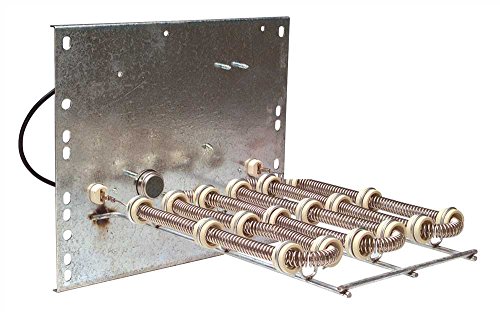
Electric Heating Elements
Resistive coils convert electricity into heat. The number of stages and the total kilowatt rating determine heating capacity. Higher-stage units can modulate output for better comfort and efficiency.
Evaporator Coil
In cooling mode, the evaporator coil absorbs heat and moisture from the air. A clean coil is essential for efficient operation and healthy indoor air quality.
Air Filter Rack
The filter traps dust and debris before air reaches the coil and blower. A clogged filter strains the motor and reduces airflow, so regular replacement is critical.
Control Board
The control board manages blower speed, heating stages, and safety lockouts. Modern boards often support communicating thermostats and smart-home integration.
Drain Pan
Condensate from the evaporator coil collects in the drain pan and exits through a drain line. A clogged drain can cause water damage, which is a common reason for air conditioning unit leaking water complaints.
Air Handler Electric Furnace vs. Traditional Furnace
Homeowners often ask how an air handler electric furnace differs from a standalone gas furnace. The table below summarizes the most important distinctions.
| Feature | Air Handler Electric Furnace | Traditional Gas Furnace |
|---|---|---|
| Heating method | Electric resistance coils | Natural gas or propane combustion |
| Cooling integration | Built-in evaporator coil and blower | Requires separate evaporator coil and blower |
| Venting | No flue required | Requires flue or venting |
| Installation flexibility | High; works in closets and tight spaces | Moderate; needs gas line and venting |
| Maintenance complexity | Lower; fewer combustion-related parts | Higher; includes burners, igniter, and heat exchanger |
| Best for | Homes without gas, mild-to-moderate climates, heat pump pairing | Cold climates with available gas infrastructure |
For homeowners in regions with moderate winters, an electric furnace paired with a heat pump can deliver strong efficiency. The heat pump handles most of the heating load, and the electric elements provide backup during extreme cold. If you are exploring a full replacement, the air handler unit replacement guide covers timing, sizing, and contractor selection.
Sizing and Efficiency Considerations
Correct sizing is the single most important factor in comfort and efficiency. An undersized unit struggles to keep up on the coldest days, while an oversized unit cycles on and off too frequently, which wastes energy and shortens equipment life. Professional sizing uses a load calculation that considers square footage, insulation, window area, ceiling height, and local climate.
Efficiency for electric furnaces is often expressed as a percentage of input energy converted to heat. Resistance heating is inherently close to 100 percent efficient at the point of use, but the overall system efficiency depends on duct design, blower performance, and how well the home is sealed. Pairing the air handler with a high-efficiency heat pump is the most effective way to reduce winter energy use.
Look for these features when comparing models:
- Variable-speed blower: Provides smoother airflow, quieter operation, and better humidity control.
- Multi-stage heating: Allows the system to run at lower output for longer periods, improving comfort.
- Communicating controls: Enables precise coordination between the air handler, heat pump, and thermostat.
- Insulated cabinet: Reduces heat loss and noise.
If your existing system is struggling, the air conditioning system not cooling guide can help you diagnose whether the issue is sizing, airflow, or a failing component.
Installation and Maintenance Best Practices
Installation
Proper installation ensures the unit operates safely and efficiently. Key steps include:
- Verifying electrical service capacity and breaker sizing.
- Sealing the cabinet and duct connections to prevent air leaks.
- Leveling the unit and ensuring the drain pan slopes toward the drain.
- Configuring blower speed and heating stages to match the home's load.
- Commissioning the system with airflow and temperature-rise measurements.
If you are hiring a professional, the air conditioning unit installation cost page explains what to expect and how to compare quotes.
Maintenance
Routine maintenance extends equipment life and preserves efficiency. Recommended tasks include:
- Replacing the air filter every one to three months.
- Cleaning the evaporator coil and drain pan annually.
- Inspecting the blower wheel and motor for debris or wear.
- Checking electrical connections and heating element resistance.
- Testing the condensate drain and safety float switch.
A professional air conditioning unit tune-up before each heating and cooling season is a smart investment. For broader service options, the air conditioning service and maintenance page outlines what a thorough inspection should include.
Common Problems and Troubleshooting
Air handler electric furnaces are generally reliable, but a few issues appear frequently. Recognizing the symptoms early can prevent more extensive damage.
- No heat: Often caused by a tripped breaker, failed heating element, or faulty sequencer.
- Weak airflow: Usually a clogged filter, dirty blower wheel, or duct obstruction.
- Water leaks: Typically a clogged condensate drain or a cracked drain pan.
- Loud operation: May indicate a failing blower bearing or loose panel.
- Frequent cycling: Can point to oversized equipment or thermostat issues.
If you notice unusual symptoms, the air conditioning unit not blowing cold air and air conditioning system repair guides provide detailed troubleshooting steps. For issues that require a technician, the air conditioning technicians page explains how to find qualified help.
Buying Guide: Choosing the Right Air Handler Electric Furnace
When evaluating options, focus on the following criteria:
- Heating capacity: Match the kilowatt rating to your home's load calculation.
- Blower type: Variable-speed motors offer the best comfort and efficiency.
- Cabinet quality: Insulated, heavy-duty cabinets reduce noise and heat loss.
- Compatibility: Ensure the unit works with your heat pump, thermostat, and duct system.
- Warranty: Compare coverage for parts, the blower motor, and the heat exchanger.
- Service network: Check whether local technicians can service the brand.
For homeowners replacing an older unit, the air handler blower motor replacement guide explains when repairing the existing unit makes sense versus upgrading the entire cabinet. If you are also evaluating the cooling side, the air conditioning splits page covers split-system configurations that pair well with electric furnaces.
Ready to Compare Your Options?
Explore top-rated air handler electric furnace units and find the right fit for your home's heating and cooling needs.
View Recommended ModelsFrequently Asked Questions
What is the difference between an air handler and an electric furnace?
An air handler is the cabinet that contains the blower and often the evaporator coil. An electric furnace is the heating section that uses resistive elements. In many modern systems, both are combined into a single air handler electric furnace cabinet.
Can an air handler electric furnace be used with a heat pump?
Yes. This is a common and efficient configuration. The heat pump handles most heating and cooling, while the electric furnace provides backup heat during extreme cold.
How often should the air filter be replaced?
Most manufacturers recommend every one to three months, depending on filter type, pets, and local air quality. A clogged filter reduces airflow and strains the blower motor.
How long does an air handler electric furnace last?
With proper maintenance, most units last 15 to 20 years. Blower motors and heating elements may need replacement sooner, which is why routine service is important.
Is an electric furnace efficient in cold climates?
Electric resistance heating is efficient at the point of use, but it can be energy-intensive during prolonged cold snaps. Pairing with a cold-climate heat pump is the most efficient strategy.
What size air handler electric furnace do I need?
Sizing depends on your home's load calculation, which considers square footage, insulation, windows, and climate. A professional load calculation is the most reliable way to choose the right capacity.