Central Air Conditioning Split System: The Complete Research Guide
Everything you need to understand before choosing a central split system: how it works, its components, sizing, efficiency ratings, installation considerations, and long-term maintenance.
Start LearningWhat Is a Central Air Conditioning Split System?
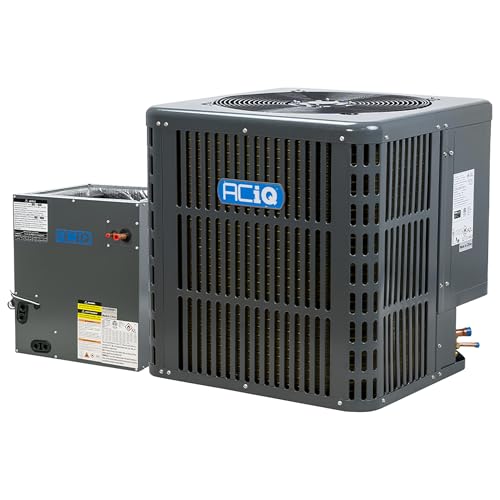
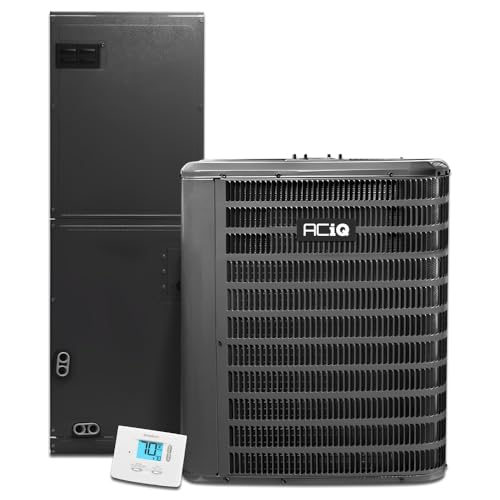
A central air conditioning split system is the most common type of whole-home cooling setup in North America. The term "split" refers to the fact that the system is divided into two main parts: an outdoor condenser unit and an indoor air handler. These two components are connected by refrigerant lines and work together to cool and circulate air through a network of ducts.
Unlike a packaged unit where all components sit in a single cabinet, a split system separates the noisy compressor outdoors while keeping the air handler indoors — usually in an attic, basement, closet, or mechanical room. This design makes split systems quieter and easier to service than packaged alternatives.
Because they rely on ductwork, central split systems are ideal for homes that already have ducts or are being built with ductwork included. For homes without ducts, ductless systems are a more appropriate alternative. If you are still deciding between system categories, our central air conditioning overview is a helpful starting point.
Main Components of a Split System
Understanding each part helps you evaluate quotes, diagnose issues, and plan maintenance. A central split system consists of several core components:
Outdoor Condenser Unit
Houses the compressor and condenser coil. It releases heat absorbed from your home into the outdoor air.
Indoor Air Handler
Contains the evaporator coil and blower fan. It cools the air and pushes it through the ductwork.
Refrigerant Lines
Insulated copper lines that carry refrigerant between the indoor and outdoor units.
Ductwork
Distributes conditioned air to each room and returns warm air to the air handler.
Thermostat
Controls system operation and lets you set target temperatures. Smart thermostats add scheduling and remote access.
Drainage System
Removes condensate produced during cooling. A clogged drain line is a common cause of water leaks.
Each component plays a role in overall efficiency. For example, a well-matched air handler and condenser pair will perform better than mismatched equipment. If your system runs but does not cool, the issue may stem from any of these parts — see our guide on central air conditioner running but not cooling for troubleshooting direction.
How a Central Split System Works
The cooling cycle in a split system follows a continuous loop:
- Warm indoor air is pulled into the return ducts by the blower fan.
- The evaporator coil absorbs heat from the air using refrigerant, cooling the air.
- Cooled air is pushed through supply ducts into your rooms.
- The refrigerant, now carrying heat, travels to the outdoor condenser.
- The compressor pressurizes the refrigerant, and the condenser coil releases the heat outdoors.
- The refrigerant returns indoors, and the cycle repeats until the thermostat is satisfied.
This process relies on a balanced refrigerant charge and clean coils. If the system is on but not blowing cold air, the cause could be low refrigerant, a dirty coil, or a failing compressor — topics covered in central AC running but not blowing cold air.
Sizing Your Central Split System Correctly
Proper sizing is the single most important factor in comfort and efficiency. An oversized system cools too quickly, cycles on and off frequently, and leaves rooms humid. An undersized system runs constantly and struggles on hot days. Professional sizing uses a Manual J load calculation that considers square footage, ceiling height, insulation, window area, climate, and occupancy.
As a rough reference, here are typical capacity ranges by home size:
| Home Size | Typical Capacity Range | Best For |
|---|---|---|
| Up to 1,000 sq ft | 1.5 – 2 tons | Small homes, apartments with ducts |
| 1,000 – 1,500 sq ft | 2 – 2.5 tons | Starter homes, townhouses |
| 1,500 – 2,000 sq ft | 2.5 – 3.5 tons | Mid-range family homes |
| 2,000 – 2,500 sq ft | 3.5 – 4.5 tons | Larger single-family homes |
| 2,500 – 3,000+ sq ft | 4.5 – 5+ tons | Large or multi-zone homes |
For specific home sizes, see our guides on central AC unit for 1,000 sq ft house and central AC unit for 1,500 sq ft home. If you are replacing an existing system, a new load calculation is still recommended because insulation, windows, and duct sealing may have changed since the original install.
Efficiency Ratings Explained
Efficiency determines how much cooling you get per unit of electricity. For central split systems, the key metrics are:
- SEER2 — Seasonal Energy Efficiency Ratio. Higher is better. Modern minimum standards are typically 14 SEER2 in most U.S. regions.
- EER2 — Energy Efficiency Ratio measured at peak conditions. Useful for hot-climate comparisons.
- HSPF2 — Heating Seasonal Performance Factor, relevant if the system includes a heat pump.
Entry-level systems generally meet the minimum SEER2 rating, while mid-range and high-end tier models reach 16 to 20+ SEER2. Premium and top-tier variable-speed systems can exceed 20 SEER2 and often qualify for utility rebates. The long-term investment in a higher-efficiency unit can be worthwhile if you plan to stay in the home for many years.
Installation Considerations
Central split system installation is not a DIY project. It requires refrigerant handling certification, electrical work, and duct modifications. Key steps include:
- Load calculation to confirm correct capacity.
- Duct inspection to identify leaks, restrictions, or undersized runs.
- Line set routing between indoor and outdoor units.
- Electrical connection and breaker sizing.
- Vacuuming and charging the refrigerant circuit.
- Commissioning with airflow and temperature-rise measurements.
For older homes without existing ducts, central air conditioning installation in older homes covers the extra planning involved. If you are comparing a full replacement versus a new install, our central air conditioner replacement guide outlines what to expect. Choosing a qualified contractor is just as important as choosing the equipment — see central air installers in my area for vetting tips.
Maintenance for Long-Term Performance
Regular maintenance keeps a split system efficient and extends its service life. A practical schedule includes:
- Monthly: Check and replace the air filter if dirty.
- Quarterly: Clear debris around the outdoor unit and check the condensate drain.
- Annually: Schedule a professional tune-up that includes coil cleaning, refrigerant charge verification, and electrical inspection.
Ignoring maintenance often leads to symptoms like central air not cooling properly or water leaking indoors. Our central air conditioning system maintenance guide provides a more detailed checklist. If you notice the system running but no air is coming from the vents, see central air fan running but no air blowing.
Common Problems and What They Mean
Even well-maintained systems eventually show symptoms. Common issues include:
- Not blowing cold air — often low refrigerant, a failed compressor, or a dirty condenser coil.
- Water leaking inside the house — usually a clogged condensate drain or frozen evaporator coil.
- System turns on but does not cool — could be a thermostat setting, capacitor failure, or refrigerant leak.
- Short cycling — frequently caused by an oversized system or a faulty thermostat.
For a broader diagnostic view, see central air conditioner problems not cooling. If the system has stopped entirely, central air conditioner stopped working suddenly walks through the first checks.
Split System vs Other Central Configurations
Central cooling comes in several configurations. Here is how the split system compares:
| Configuration | Description | Best For |
|---|---|---|
| Split System | Outdoor condenser + indoor air handler connected by refrigerant lines | Homes with existing or planned ductwork |
| Packaged Unit | All components in one outdoor cabinet | Homes without indoor mechanical space |
| Ductless Mini-Split | Wall-mounted indoor heads, no ducts | Additions, older homes, room-by-room control |
| Heat Pump Split | Split system that also provides heating | Year-round comfort in moderate climates |
If you want the same ductwork to handle heating too, a split system paired with a heat pump or furnace is a common choice. See central air conditioner with furnace and central air conditioning units with heat pump for those variations.
Frequently Asked Questions
What is a central air conditioning split system?
It is a whole-home cooling setup where the outdoor condenser and indoor air handler are separate units connected by refrigerant lines. Cooled air is distributed through ductwork.
How long does a central split system last?
With regular maintenance, most systems last 15 to 20 years. Filter changes and annual professional servicing are the biggest factors in longevity.
What SEER rating should I look for?
At minimum, meet the current DOE standard for your region (typically 14 SEER2). Mid-range and high-end tier models reach 16 to 25 SEER2 for better long-term efficiency.
Can a split system heat my home too?
Yes — when paired with a heat pump or furnace, the same ductwork distributes both cooled and heated air.
Do I need a new load calculation if I replace my system?
Yes. Changes to insulation, windows, and duct sealing since the original install can affect the correct capacity. A fresh Manual J calculation prevents oversizing or undersizing.
Ready to Compare Central Split Systems?
Explore recommended models below, or review our related guides to finalize your research.
View Recommended Systems