Central Heating and Air Conditioning Units: The Complete Guide
Everything you need to understand combined central HVAC systems—how they work, which type fits your home, how to size them correctly, and how to keep them running efficiently for years.
Start ReadingWhy this guide matters: A central heating and air conditioning unit is one of the largest mechanical investments in any home. Understanding how the system is configured, how capacity is calculated, and what efficiency ratings actually mean puts you in control before you speak with a contractor. This guide is written for research-stage buyers who already know they want central comfort and need clear, practical information to make a confident decision.
What Is a Central Heating and Air Conditioning Unit?
A central heating and air conditioning unit is a combined HVAC system that conditions air at a single indoor location and then distributes it through a network of ducts to every room. The system handles both heating and cooling, typically sharing the same blower, ductwork, and thermostat. This shared infrastructure is what distinguishes central systems from room-by-room solutions such as window or portable AC units.
The core idea is simple: instead of cooling one room at a time, the system treats the whole building as a single thermal zone (or several zones when dampers are added). Air is filtered, heated or cooled, and pushed through supply ducts while return ducts bring stale air back to the air handler. A single programmable or smart thermostat coordinates the entire process.
How the System Moves Heat
In cooling mode, the outdoor condenser rejects heat absorbed from indoors, while the indoor evaporator coil absorbs heat from the return air. In heating mode, the system either burns fuel in a furnace or reverses the refrigeration cycle in a heat pump to move heat from outdoor air into the home. Understanding this cycle helps you diagnose common problems later—for example, an AC that runs but does not deliver cold air usually points to a refrigerant, airflow, or compressor issue rather than a thermostat problem.
Main Types of Central Heating and AC Systems
There is no single "best" configuration. The right choice depends on your home's layout, whether existing ductwork is present, and your climate. Below are the most common configurations, each described with its typical market position rather than numerical figures.
Split System (Furnace + AC)
An outdoor condenser paired with an indoor furnace or air handler. Ideal for homes with existing ductwork. The furnace handles heating while the AC coil handles cooling. Entry-level through premium tiers are available, with premium models offering variable-speed blowers and higher efficiency ratings.
Heat Pump System
A single outdoor unit provides both heating and cooling by reversing the refrigerant cycle. Mid-range to high-end tier heat pumps are especially effective in mild to moderate climates and pair well with energy-efficient HVAC systems. Cold-climate variants extend performance into lower temperatures.
Packaged Unit
All components—condenser, evaporator, and heating section—sit in one outdoor cabinet. Common in homes without interior mechanical space, in manufactured housing, and in light commercial buildings. Commercial-grade packaged rooftop units are widely used in retail and office settings.
Ducted Mini-Split
A central-style system without full ductwork, using short ducts or ceiling cassettes. A strong option for additions, older homes without ducts, or spaces where running full ductwork is impractical. Sits in the mid-range to premium tier depending on zoning and inverter technology.
If your home already has a furnace and you are considering adding cooling, it is worth reading about adding air conditioning to a furnace, since the furnace blower and duct sizing must be compatible with the new evaporator coil. For homes exploring non-ducted options, our guide to different types of air conditioning systems provides a side-by-side comparison.
Key Components of a Central System
Every central heating and air conditioning unit shares a common set of components. Knowing them makes maintenance conversations and contractor estimates far easier to follow.
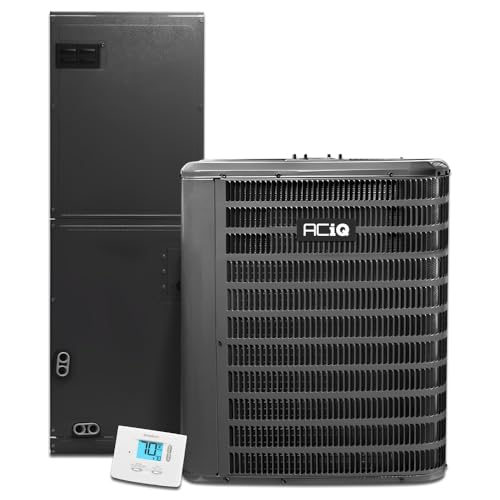
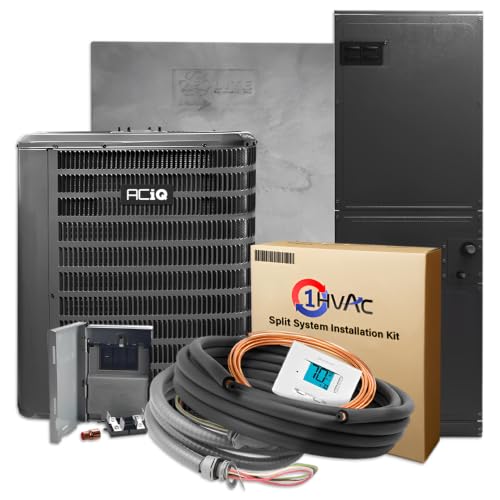
- Outdoor Condenser UnitHouses the compressor and condenser coil. It releases heat absorbed from indoors and is the loudest part of the system.
- Indoor Air Handler or FurnaceContains the blower, evaporator coil, and (in a furnace) the heating section. It moves conditioned air into the duct system.
- Evaporator CoilAbsorbs heat and moisture from return air. A dirty coil reduces cooling capacity and can cause freezing.
- CompressorThe heart of the refrigeration cycle. It circulates refrigerant between the indoor and outdoor coils and is the most critical component to protect.
- DuctworkSupply and return ducts distribute air. Leaky or undersized ducts waste a large share of the system's capacity. Learn more about air duct sealing and HVAC ductwork installation.
- ThermostatControls setpoints and scheduling. A thermostat that is not triggering cooling is a common and easily checked issue.
- Air FilterProtects the coil and blower from debris. Regular replacement is the single most effective homeowner maintenance task.
How to Size a Central Heating and AC Unit
Sizing is the most consequential decision in the entire process. An oversized system cools quickly but cycles on and off frequently, which leaves indoor humidity high and wears components faster. An undersized system runs continuously on hot days and never fully reaches setpoint. The industry standard is a Manual J load calculation, which accounts for:
- Conditioned square footage and ceiling height
- Insulation levels in walls, attic, and floors
- Window area, orientation, and glazing type
- Air infiltration and duct leakage
- Local climate design temperatures
- Occupancy and internal heat gains from appliances
Many homeowners start with a simplified BTU-per-square-foot estimate, but this should only be a sanity check. For a whole-home approach, our AC sizing guide for whole homes walks through the process. If you are comparing a central system against room units, our guide to sizing an air conditioner explains the trade-offs clearly.
Understanding Efficiency Ratings
Central systems carry several efficiency ratings, and understanding them prevents confusion when comparing quotes.
| Rating | What It Measures | Why It Matters |
|---|---|---|
| SEER2 | Seasonal cooling efficiency across a full cooling season | Higher values mean less energy used per unit of cooling. Required minimums vary by region. |
| EER2 | Efficiency at a specific peak design condition | Useful for hot climates where peak-hour performance is critical. |
| HSPF2 | Heating efficiency of heat pumps across a heating season | The heating counterpart to SEER2 for year-round systems. |
| AFUE | Annual fuel utilization efficiency for furnaces | Indicates how much fuel is converted to usable heat. |
If your system qualifies, our overview of ENERGY STAR certified AC units explains the certification thresholds and how they map to real-world efficiency. For households pursuing the highest available efficiency, see our guide to the highest SEER air conditioner options.
Split System vs Packaged vs Ducted Mini-Split
The table below compares the three most common central configurations across the factors buyers weigh most heavily. Rather than focusing on numerical values, it describes relative positioning within the market.
| Factor | Split System | Packaged Unit | Ducted Mini-Split |
|---|---|---|---|
| Tier Position | Entry-level to premium | Entry-level to commercial-grade | Mid-range to premium |
| Ductwork Needed | Yes, full duct system | Yes, full duct system | Minimal or short-run ducts |
| Interior Space | Requires closet or utility room | No interior mechanical space | Compact indoor air handler |
| Best For | Homes with existing ducts | Homes without interior space | Additions and ductless homes |
| Zoning Flexibility | Moderate (with dampers) | Limited | High (multi-zone capable) |
Maintenance That Protects Your Investment
Central systems reward consistent maintenance. A well-maintained unit holds its efficiency far longer than a neglected one, and small issues caught early stay small. The routine below is realistic for most homeowners.
- Replace or clean the air filter every one to three months, more often during heavy-use seasons
- Clear debris, leaves, and vegetation from around the outdoor condenser
- Keep supply and return vents unobstructed by furniture or rugs
- Schedule a professional tune-up before cooling season and before heating season
- Inspect visible ductwork for disconnected joints or crushed sections
- Monitor condensate drain lines for clogs that can cause water damage
If you notice reduced performance between services, our troubleshooting resources can help narrow the cause. A unit that is running but not delivering cold air, a system where the fan blows but the air stays warm, or a home that simply is not cooling as expected all point to a short list of likely culprits worth checking before calling a technician.
Common Issues and When to Call a Professional
Central systems are mechanically complex, and some repairs are strictly professional territory. Refrigerant handling, compressor work, and electrical diagnostics require licensed technicians and specialized tools. Homeowners can safely handle filters, exterior cleaning, thermostat settings, and basic visual inspections.
Signs that warrant a professional visit include persistent warm air despite a running system, ice forming on the indoor coil or refrigerant lines, water pooling near the air handler, unusual noises from the outdoor unit, and frequent breaker trips. Our central air repair guide and overview of heating and cooling contractors explain what to expect from a service call and how to vet a technician before booking.
For homeowners comparing repair against replacement, understanding the age of the system, its efficiency rating, and the nature of the failure is essential. A compressor failure on an older entry-level unit often tips the decision toward replacement, while a minor component failure on a well-maintained premium-tier system usually justifies repair.
What to Evaluate Before You Buy
When you are ready to compare systems, structure the evaluation around four areas: system type, capacity, efficiency tier, and installation quality. Installation quality is frequently underestimated—even a top-tier system underperforms if ducts leak, refrigerant charge is incorrect, or the unit is oversized.
- Confirm the contractor performs a room-by-room load calculation, not a square-footage rule of thumb
- Ask for a duct inspection and, where relevant, a duct leakage test
- Compare efficiency ratings within the same tier rather than across tiers
- Review warranty terms for parts, labor, and compressor coverage separately
- Verify licensing, insurance, and manufacturer authorization before signing
- Request a written scope of work that includes commissioning and airflow verification
For broader brand context, our overview of the best central air conditioner brands and air conditioning unit brands discusses reputation, parts availability, and dealer networks. Our guide to highest-rated heating and air conditioning systems compares top performers across categories.
Ready to Compare Central Systems?
Once you understand your sizing, efficiency tier, and installation requirements, you can evaluate specific models with confidence. Browse curated central heating and air conditioning units below, selected to match the configurations discussed in this guide.
View Recommended SystemsFrequently Asked Questions
A central heating and air conditioning unit is a combined HVAC system that distributes conditioned air through a duct network to every room. It typically includes an outdoor condenser, an indoor air handler or furnace, and a single thermostat managing both heating and cooling functions.
Sizing should follow a Manual J load calculation that accounts for square footage, ceiling height, insulation, window area, climate, and occupancy. For a step-by-step walkthrough, see our AC sizing for whole home guide. Proper sizing ensures efficient dehumidification and avoids short cycling.
Current systems are rated with SEER2. Choose a rating that meets or exceeds the DOE minimum for your region. Higher SEER2 values indicate greater seasonal efficiency. Our guide to the highest SEER air conditioner covers the top of the range if maximum efficiency is your priority.
Professional service is recommended twice per year—once before cooling season and once before heating season. Homeowners should replace filters every one to three months and keep the outdoor unit free of debris. Regular service extends equipment life and preserves efficiency.
A split system separates the outdoor condenser from the indoor air handler, connected by refrigerant lines and ductwork. A packaged unit houses all components in a single outdoor cabinet. Split systems are the most common residential configuration; packaged units are used where interior mechanical space is unavailable.
Yes, in many cases. The furnace blower, plenum, and duct system must be compatible with the evaporator coil and the cooling capacity needed. Our guide on adding air conditioning to a furnace covers compatibility checks and what the installation involves.
With proper installation and routine maintenance, central systems commonly last well over a decade. Premium-tier systems with variable-speed components and higher-grade materials often reach the upper end of that range, while entry-level systems in harsh climates tend to have shorter service lives.