Cleaning Mold from a Window Air Conditioner: A Complete Guide
Discover how mold grows inside a window AC, why it affects your indoor air quality, and the safest step-by-step method to remove it — plus practical habits that keep it from returning.
If you notice a musty smell when your window air conditioner runs, or see dark specks around the vents and coils, mold has likely taken hold inside the unit. A window AC creates the perfect environment for mold: constant moisture from condensation, moderate warmth, and organic dust that settles on wet surfaces. Left alone, that growth circulates spores into your room every time the fan runs.
The good news is that cleaning mold from a window air conditioner is a manageable do-it-yourself task for most homeowners. This guide explains what causes the problem, how to clean every part of the unit safely, and how to prevent mold from coming back — so you can breathe easier and protect the equipment you rely on all summer.
Quick answer: Unplug the unit, remove the filter and front grille, wash all washable parts with mild soap and warm water, clean the coils with a dedicated coil cleaner, sanitize the cabinet and drain area with a diluted bleach or vinegar solution, then dry everything completely before reassembly. Repeat a light cleaning every month during cooling season.
Why Mold Grows in a Window Air Conditioner
Mold needs three things to thrive: moisture, organic material, and temperatures between roughly 60°F and 80°F. A window AC supplies all three without much effort. Here is what happens inside a typical unit:
- Condensation on the evaporator coil. As warm room air passes over the cold coil, water condenses and drips into the drain pan. If the pan does not fully drain, standing water becomes a breeding ground.
- Dust and pollen buildup. The filter catches large particles, but fine dust still reaches the coil fins and the blower wheel. Combined with moisture, that dust becomes food for mold.
- Poor drainage or a clogged drain line. A blocked drain channel keeps water inside the unit instead of letting it drip outside. This is one of the most common causes of persistent mold and musty odors.
- Unit left in a humid space. If the AC is turned off while the coils are still wet, moisture lingers. Units installed in basements or shaded windows are especially vulnerable.
- Infrequent filter cleaning. A dirty filter restricts airflow, keeps the coil wetter for longer, and speeds up organic buildup on internal surfaces.
Mold inside a window AC is not just an odor problem. It can trigger allergy symptoms, worsen asthma, and reduce cooling efficiency because a dirty, moldy coil transfers heat poorly. Regular maintenance — including the cleaning steps below — keeps both air quality and performance in good shape. For broader upkeep guidance, see our air conditioner cleaning service overview and the related guide on cleaning the filter of an air conditioner.
Signs You Have Mold in Your Window AC
Mold is not always visible at first. Watch for these warning signs:
- A persistent musty, earthy, or damp-basement smell when the unit runs.
- Dark green, black, or gray speckles on the filter, grille, blower wheel, or coil fins.
- Visible fuzzy growth around the drain pan or the front vent louvers.
- Increased allergy-like symptoms (sneezing, itchy eyes, coughing) when the AC is on.
- Water pooling inside the unit or dripping from the front instead of the back.
- The unit cools less effectively even though it runs constantly.
If you spot any of these, plan a cleaning session soon. Small surface mold is usually easy to remove; extensive growth that has penetrated insulation or foam seals may call for replacement parts or professional help.
Tools and Materials You Will Need
Gather everything before you start so the unit stays unplugged and disassembled for as short a time as possible:
- Phillips and flathead screwdrivers (most window units use Phillips screws).
- Mild dish soap and warm water in a spray bottle or bucket.
- White vinegar or a diluted bleach solution (1 part bleach to 10 parts water) for sanitizing.
- A dedicated foaming coil cleaner (choose one labeled for indoor evaporator coils).
- A soft-bristle brush and an old toothbrush for tight corners.
- Microfiber cloths and paper towels.
- A spray bottle of clean water for rinsing.
- Rubber gloves, safety glasses, and an N95-style mask — mold spores and coil cleaners can irritate lungs and eyes.
- A shallow pan or towel to catch drips.
Safety first: Always unplug the air conditioner before removing the front panel or touching internal components. Never mix bleach with ammonia-based cleaners. Work in a well-ventilated area, and if you are sensitive to mold or chemicals, wear a mask and gloves throughout.
Step-by-Step: Cleaning Mold from a Window Air Conditioner
The process below covers a standard window unit. If your model has a sealed chassis that prevents access to the blower wheel, clean what you can reach and consider a professional service for deep internal sanitizing.
- Unplug and remove the unit from the window (if possible). Disconnect power at the outlet. For a thorough clean, lift the unit out and place it on a sturdy table or outdoors on a tarp. Many window ACs weigh 40–80 pounds, so ask for help if needed. If removal is not practical, work in place with towels underneath.
- Remove the front grille and filter. Take out the filter first, then unscrew or unclip the front panel. Set screws aside in a small container. Most grilles and filters are fully washable.
- Wash the filter and grille. Rinse the filter under running water to remove loose dust, then wash with mild soap. If it is a reusable mesh filter, let it soak in warm soapy water for 10 minutes. Scrub the grille with a soft brush and soapy water, paying attention to the vent slats where mold often collects. Rinse and set both aside to dry completely in the sun if possible.
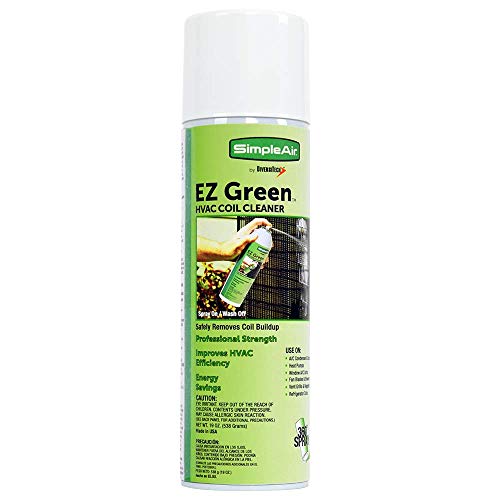
- Clean the evaporator coil. The evaporator coil sits behind the filter and is the most common mold hotspot. Spray a foaming coil cleaner according to the product instructions, let it dwell for the recommended time, then rinse gently with a spray bottle of clean water. Do not bend the delicate aluminum fins. A soft brush can help lift stubborn residue. For more detail on coil care, see how to clean AC evaporator coils.
- Sanitize the blower wheel and cabinet interior. The blower wheel (the cylindrical fan behind the grille) collects dust and mold on its blades. Use an old toothbrush dipped in a vinegar-water solution to scrub between the blades, then wipe with a damp cloth. Wipe down the entire interior cabinet, including corners and foam seals, with the sanitizing solution. Vinegar is effective against surface mold and gentler than bleach on metal parts.
- Clear and clean the drain pan and drain line. Remove any debris or slime from the drain pan. Pour a small amount of vinegar through the drain channel to flush it, then check that water flows freely out the back of the unit. A clogged drain is a leading cause of recurring mold — our guide on cleaning an air conditioner drain line walks through the process in more detail.
- Rinse and dry everything completely. Wipe all cleaned surfaces with a clean damp cloth to remove soap residue, then dry thoroughly with microfiber cloths. Let parts air-dry in a well-ventilated area. Moisture left behind will undo your work, so do not skip this step.
- Reassemble and test. Reinstall the filter and front grille, tighten screws, and slide the unit back into the window with a slight backward tilt so condensate drains outside. Plug it in and run the fan-only mode for 15–20 minutes to dry any remaining moisture before switching to cool mode.
How to Prevent Mold from Coming Back
Cleaning removes existing growth, but prevention is what keeps your window AC mold-free between deep cleans. Build these habits into your routine:
- Clean or replace the filter every 2–4 weeks during heavy use. A clean filter keeps airflow strong and the coil drier.
- Run the fan for 10–15 minutes after turning off cooling (if your unit has a fan-only mode). This dries the coil and drain pan.
- Check the drain path monthly. Pour a little water into the drain pan and confirm it exits the back of the unit.
- Keep the unit tilted slightly backward so condensation flows outside rather than into the room.
- Deep clean the coils and blower wheel at least twice per cooling season — more often in humid climates or dusty locations.
- Remove and store the unit properly in the off-season. Clean it, dry it completely, and cover it to keep dust and moisture out.
- Address room humidity. If the room stays above 60% relative humidity, consider a dehumidifier alongside the AC.
For a full seasonal routine that covers filters, coils, and drainage, see our seasonal AC checklist. If you also use central cooling, the same principles apply — our clean HVAC system guide and outdoor unit cleaning guide cover the broader system.
When to Call a Professional
Most surface mold on a window AC can be handled with the steps above. Call a qualified technician if you encounter any of the following:
- Mold has spread into insulation, foam seals, or electrical components.
- The musty odor persists after a thorough cleaning.
- The unit shows signs of refrigerant leaks, electrical damage, or a failing blower motor.
- You have respiratory conditions and want professional sanitizing with commercial-grade products.
A certified HVAC technician can disassemble the unit safely, sanitize hard-to-reach areas, and confirm that drainage and electrical connections are in good condition. For general troubleshooting before you call, our common AC problems page is a useful starting point.
Comparison: DIY Cleaning vs Professional Service
| Approach | Best For | What It Covers | Tier |
|---|---|---|---|
| Monthly DIY maintenance | Routine prevention | Filter washing, drain check, exterior wipe-down | Essential tier |
| Seasonal DIY deep clean | Visible surface mold and musty odors | Coil cleaning, blower wheel scrubbing, sanitizing cabinet | Balanced tier |
| Professional service | Persistent mold, sealed components, health concerns | Full disassembly, commercial sanitizing, drainage and electrical inspection | Professional-grade |
Frequently Asked Questions
Is mold in a window AC dangerous?
Mold itself is not usually life-threatening, but it releases spores that can trigger allergies, asthma flare-ups, and irritation in sensitive people. Removing it promptly and preventing recurrence protects indoor air quality and keeps the unit efficient.
Can I use bleach to clean mold from a window AC?
Yes, a diluted bleach solution (1 part bleach to 10 parts water) can sanitize non-porous surfaces like the cabinet and drain pan. Vinegar is a gentler alternative that works well on most components. Never mix bleach with other cleaners, and always work in a ventilated area with gloves.
How often should I clean my window AC to prevent mold?
Wash the filter every 2–4 weeks during cooling season, check the drain monthly, and deep clean the coils and blower wheel at least twice per year. In humid climates, increase the deep-clean frequency.
Why does my window AC smell musty even after cleaning?
Persistent odor usually means mold has reached foam insulation, the blower housing, or the drain line interior. Re-clean those areas, flush the drain thoroughly, and if the smell remains, have a technician inspect for hidden growth.
Can mold come back after cleaning?
Yes, if moisture control is neglected. Keeping the filter clean, ensuring proper backward tilt, drying the coil after use, and clearing the drain are the key habits that prevent mold from returning.
Should I replace my window AC if it has mold?
Only if mold has penetrated sealed insulation or electrical parts that cannot be cleaned safely, or if the unit is otherwise failing. Most surface mold is removable with the steps in this guide.
Final Thoughts
Cleaning mold from a window air conditioner is one of the highest-value maintenance tasks you can do. It restores cooling efficiency, eliminates musty odors, and protects the air your family breathes. The workflow is straightforward: unplug, disassemble, wash the washable parts, sanitize the coils and cabinet, flush the drain, and dry everything completely before reassembly. Pair that deep clean with consistent filter care and proper drainage, and mold will have a much harder time returning.
If you are still choosing a unit or maintaining one across the home, our broader resources on window air conditioners, cleaning air conditioner coils, and removing mold from air conditioners can help you build a complete maintenance routine.
Bottom line: Deal with mold early, clean thoroughly, and dry completely. A few hours of careful work twice a year — plus quick monthly filter checks — keeps your window AC running clean and efficient all season.