Clean HVAC System: The Complete Maintenance Guide
Discover how regular cleaning of your HVAC system improves air quality, extends equipment lifespan, and keeps energy efficiency at its peak. A step-by-step guide for homeowners.
Start Learning📋 What You'll Learn
Why a Clean HVAC System Matters
Your HVAC system works tirelessly year-round to keep your home comfortable. Over time, dust, dirt, pollen, and microbial growth accumulate inside ducts, coils, and filters. This buildup forces the system to work harder, consuming more energy and reducing cooling performance. According to industry studies, a neglected system can lose a significant portion of its efficiency within just a few seasons.
A clean HVAC system is not just about comfort—it directly affects indoor air quality, equipment longevity, and energy consumption. Whether you operate a central air unit or a ductless mini-split, regular cleaning is the single most effective maintenance habit you can adopt.
💡 Key Insight: Most HVAC breakdowns stem from preventable issues related to dirt accumulation. Cleaning your system regularly can help you avoid premature component failure and maintain consistent airflow throughout your home.
If you have been noticing common AC problems such as weak airflow or unusual odors, the cause may be a dirty system. Understanding the components and following a structured cleaning routine can resolve many of these issues before they escalate into costly repairs.
Key Components That Need Cleaning
Before you begin any maintenance task, it's important to understand which parts of your HVAC system require attention. Here are the critical components:
1. Air Filters
Air filters are the first line of defense against contaminants. They trap dust, pet dander, and pollen before these particles reach the blower and coils. A clogged filter restricts airflow, forcing the blower motor to work harder and reducing cooling efficiency. Filters should be checked monthly and replaced every one to three months depending on usage and indoor air conditions.
2. Evaporator Coils
Located indoors, evaporator coils absorb heat from the air. When they become coated with dust or biofilm, heat exchange is compromised. Learning how to clean AC evaporator coils properly is essential for maintaining cooling capacity. These coils are delicate and require gentle cleaning solutions to avoid fin damage.
3. Condenser Coils
The outdoor condenser coils release heat absorbed from indoors. They are exposed to outdoor debris such as leaves, grass clippings, and dirt. Cleaning air conditioner condenser coils at least once per year helps maintain heat rejection efficiency, especially before the cooling season begins.
4. Ductwork
Ducts distribute conditioned air throughout your home. Over time, dust and debris settle inside the ductwork, and in some cases mold can develop due to moisture. Clean HVAC ducts improve airflow and prevent contaminants from being recirculated into living spaces. Professional duct cleaning is recommended every three to five years, or more frequently in homes with pets or allergy sufferers.
5. Drain Lines and Pans
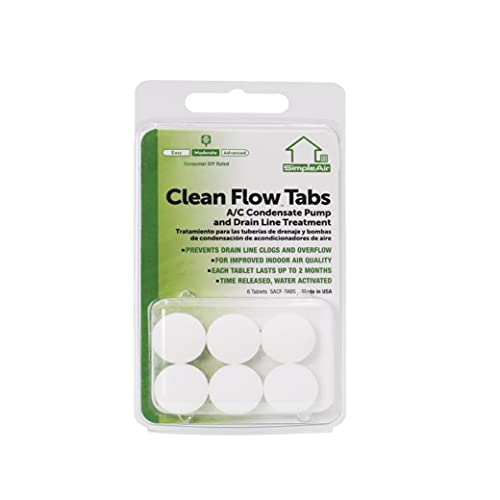
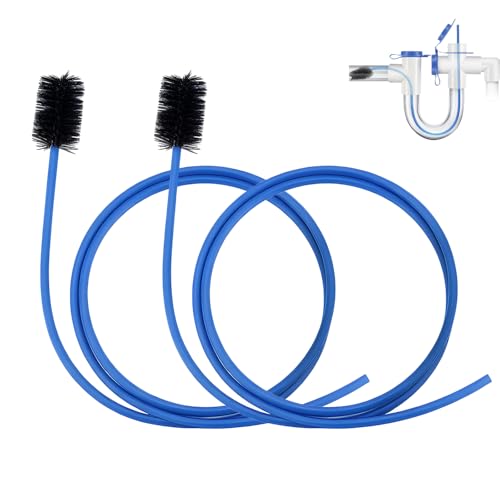
Condensate drain lines remove moisture collected during cooling. A clogged condensate drain line can lead to water damage and mold growth. Flushing the drain line with a mixture of water and vinegar every few months keeps it clear.
6. Blower Motor and Housing
The blower wheel accumulates dust over time, which can cause imbalance and vibration. Cleaning the blower assembly improves airflow and reduces strain on the motor.
| Component | Cleaning Frequency | Best For |
|---|---|---|
| Air Filter | Monthly check, replace every 1-3 months | Essential tier maintenance |
| Evaporator Coils | Annually | Mid-tier and high-end tier systems |
| Condenser Coils | Annually (spring) | All tiers |
| Ductwork | Every 3-5 years | Professional-grade service |
| Drain Line | Every 3-6 months | All tiers |
| Blower Motor | Annually | Professional-grade service |
DIY Cleaning Steps You Can Do
Several maintenance tasks are safe and straightforward for homeowners to perform. These steps form the foundation of a clean HVAC routine:
Replace or Clean Filters
Turn off the system, locate the filter slot, and swap in a new filter. Note the size and MERV rating before purchasing a replacement. For reusable filters, wash with mild soap and let dry completely.
Clear Debris Around Outdoor Unit
Remove leaves, grass, and dirt from the area surrounding the condenser unit. Ensure at least two feet of clearance on all sides for proper airflow. Rinse the coil fins gently with a garden hose.
Flush the Drain Line
Locate the condensate drain access point and pour a cup of distilled vinegar mixed with water. This prevents algae growth and keeps the line flowing freely.
Clean Supply and Return Vents
Remove vent covers and vacuum visible dust. Wipe grilles with a damp cloth. This simple step improves airflow and reduces dust circulation in each room.
Inspect for Moisture or Mold
Check around the indoor unit and duct connections for signs of condensation or microbial growth. If you notice mold in the air conditioner, address it promptly with appropriate cleaning solutions.
Vacuum Accessible Ductwork
Using a vacuum with a brush attachment, gently clean the first few feet of accessible ductwork through the vent openings. This reduces surface dust without requiring professional equipment.
⚠️ Safety First: Always turn off power to the HVAC system at the breaker before performing any cleaning inside the unit. Avoid using harsh chemicals on coils or electrical components. If you are unsure about any step, consult a certified HVAC technician.
When to Call a Professional
While DIY maintenance handles routine tasks, certain cleaning procedures require specialized equipment and expertise. Consider scheduling professional service when:
- Deep duct cleaning is needed — Negative-pressure vacuums and rotary brushes are required to remove debris from the entire duct system. Clean air duct cleaning by a professional ensures thorough results.
- Mold is suspected inside the system — If you detect persistent musty odors or visible growth, professional remediation is necessary to prevent health risks.
- Coils are heavily fouled — Severely clogged evaporator or condenser coils may require chemical cleaning agents and careful handling to avoid damage.
- The blower motor needs servicing — Cleaning and lubricating the blower assembly is a job for trained technicians.
- Annual tune-ups — Many manufacturers recommend an annual professional inspection to maintain warranty coverage and ensure peak performance.
Hiring a certified HVAC professional ensures that every component is inspected, cleaned, and tested according to industry standards. This is particularly important for centralised HVAC systems where multiple components are interconnected.
Recommended Cleaning Schedule
Establishing a consistent maintenance calendar prevents neglect and keeps your system operating efficiently year after year. Here is a practical schedule to follow:
| Frequency | Task | Notes |
|---|---|---|
| Monthly | Inspect air filter | Replace if visibly dirty |
| Every 3 months | Flush drain line, clean vents | Prevents clogs and dust buildup |
| Every 6 months | Clean outdoor condenser coils | Before cooling and heating seasons |
| Annually | Professional inspection and coil cleaning | Schedule in spring |
| Every 3-5 years | Professional duct cleaning | More often with pets or allergies |
For homes with central air thermostats and zoned systems, additional checks may be needed to ensure dampers and sensors are functioning correctly after cleaning.
Signs Your System Needs Cleaning
Your HVAC system often provides warning signs before performance degrades significantly. Watch for these indicators:
Reduced Airflow
If vents feel weak even when the system is running, clogged filters or duct obstructions are likely culprits. This can lead to cold air not coming out of vents in the house, a common symptom of restricted airflow.
Musty or Unpleasant Odors
A persistent musty smell often indicates microbial growth inside the ductwork or on the evaporator coil. Prompt attention prevents the issue from spreading.
Increased Energy Consumption
A dirty system works harder to achieve the same comfort level. If you notice unexplained increases in energy usage, cleaning should be a priority.
Visible Dust Around Vents
Dust accumulating on vent grilles or nearby surfaces suggests that the filtration system is overwhelmed or ductwork contains debris.
Frequent Cycling
Short cycling—where the system turns on and off rapidly—can result from restricted airflow caused by dirty components.
💡 Tip: If you experience central air turning on but not cooling despite the system running, a dirty condenser coil or low refrigerant charge may be the underlying cause. Cleaning is the first diagnostic step.
Benefits of a Clean HVAC System
Investing time in regular cleaning delivers returns in multiple areas:
Improved Indoor Air Quality
A clean system reduces the circulation of dust, allergens, and microbial particles. This is especially beneficial for households with children, elderly individuals, or allergy sufferers. Consistent filter changes and duct cleaning contribute to a healthier living environment.
Extended Equipment Lifespan
Dirt and debris accelerate wear on motors, bearings, and coils. Regular cleaning reduces strain and helps your system reach its expected service life. For central heating and cooling systems, which represent a significant long-term investment, this maintenance is essential.
Energy Efficiency
Clean coils transfer heat more effectively, and clear ducts allow air to flow with less resistance. The result is lower energy consumption for the same level of comfort—a benefit that compounds over years of use.
Fewer Repairs
Many service calls are triggered by issues that regular cleaning would have prevented. Keeping components clean reduces the likelihood of unexpected breakdowns during peak season.
Consistent Comfort
Balanced airflow and proper heat exchange ensure that every room receives adequate conditioned air. No more hot spots or uneven temperatures.
Frequently Asked Questions
How often should I clean my HVAC system?
A thorough professional cleaning should occur annually. Between service visits, replace filters every one to three months, flush drain lines quarterly, and inspect outdoor coils twice per year. Duct cleaning is recommended every three to five years.
Can I clean my HVAC ducts myself?
You can vacuum accessible vents and the first few feet of visible ductwork. However, comprehensive duct cleaning requires specialized equipment such as negative-pressure machines and rotary brushes. For thorough results, professional service is advisable.
What are signs that my HVAC system needs cleaning?
Watch for musty odors, reduced airflow, visible dust around vents, increased energy consumption, and frequent system cycling. These symptoms suggest that filters, coils, or ducts need attention.
Does a clean HVAC system improve energy efficiency?
Yes. Clean coils exchange heat more effectively, and unobstructed ducts allow air to move freely. This reduces the workload on the compressor and blower motor, improving overall efficiency and reducing energy use.
Is it safe to use chemical coil cleaners?
Some coil cleaners are safe for DIY use if applied according to manufacturer instructions. However, strong chemicals can damage fins or electrical components if misused. For heavily soiled coils, professional cleaning is the safer choice.
How can I prevent mold growth in my HVAC system?
Keep the drain line clear, ensure proper insulation on ductwork to prevent condensation, and maintain low indoor humidity. If you notice persistent musty odors, schedule an inspection to identify and address the source.
Ready to Keep Your HVAC System Clean?
Explore our recommended cleaning tools and maintenance products to help you stay on top of your HVAC care routine.
View Recommended Products