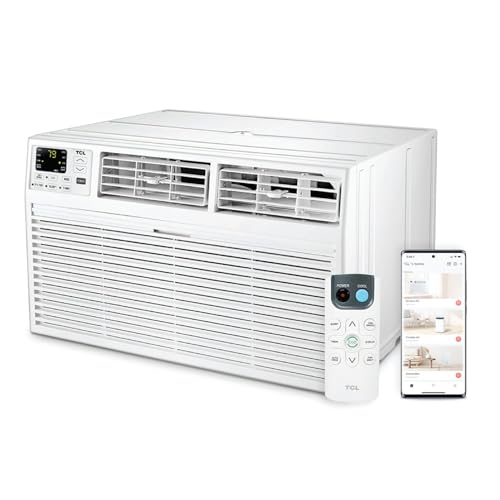
Combination Heating and Air Conditioning Wall Units: The Complete Buyer's Guide
Everything you need to know about PTAC systems and wall-mounted combination units — how they work, how to size them, which features matter, and how to choose the right model for your space.
Why this guide exists: If you're researching combination heating and air conditioning wall units, you already know you need a single system that does two jobs. What you likely still need is clarity — on terminology, sizing, efficiency, and the trade-offs between different configurations. This guide answers those questions so you can make a confident, well-informed decision.
What Are Combination Heating and Air Conditioning Wall Units?
Combination heating and air conditioning wall units — often called PTAC (Packaged Terminal Air Conditioner) systems — are self-contained HVAC units installed through an exterior wall. Unlike split systems, everything is housed in a single chassis: the compressor, condenser, evaporator, and blower. The unit draws outside air across the condenser coil and delivers conditioned air directly into the room through a wall sleeve.
These systems are the workhorses of the hospitality industry. You've almost certainly encountered one in a hotel room, motel, dormitory, assisted living facility, or apartment building. Their appeal is straightforward: no ductwork, no separate indoor and outdoor units, and a relatively compact installation footprint. A single wall opening handles the entire installation.
What sets a combination unit apart from a standard window AC is the heating component. Most PTAC units use a heat pump for primary heating, with electric resistance coils as a backup for very cold outdoor temperatures. Some models offer gas-fired heating, though electric configurations dominate the residential and light-commercial market.
If you're comparing this format against other wall-mounted options, it helps to understand the broader category. Our guide to combination air conditioner heater wall units covers the full landscape of single-unit heating and cooling solutions.
How Combination Wall Units Work
Understanding the operating principle helps you evaluate trade-offs and troubleshoot issues down the road. Here's the sequence:
- Cooling mode: The compressor pressurizes refrigerant, sending it to the outdoor-facing condenser coil where heat is rejected to the outside air. The refrigerant then passes through an expansion device and enters the indoor evaporator coil, where it absorbs heat from the room air. The blower pushes cooled air back into the room.
- Heat pump mode: A reversing valve flips the refrigerant flow direction. The indoor coil becomes the condenser (releasing heat into the room), and the outdoor coil becomes the evaporator (absorbing heat from outside air). This is the same mechanism used in a central heat pump and it is significantly more efficient than electric resistance heating.
- Backup heating: When outdoor temperatures drop below the heat pump's effective range (typically around 35°F / 2°C for standard units, lower for cold-climate models), electric resistance coils activate to maintain setpoint. This is less efficient but ensures comfort in extreme conditions.
- Ventilation: Most PTAC units include a fresh air intake that can be adjusted or closed. This draws a controlled amount of outside air into the room, improving indoor air quality at a modest energy penalty.
The wall sleeve is a critical installation component. It isolates the unit from the wall structure, provides a weather-tight seal, and allows the chassis to slide out for service or replacement. If you're evaluating a building that already has sleeves, replacing an old chassis is far simpler than a new installation.
Types and Configurations
Combination wall units are not a single product category. Several configurations exist, each suited to different applications:
Standard PTAC (Heat Pump + Electric Backup)
The most common configuration. Uses a heat pump for heating in mild to moderate climates, with electric resistance coils for backup. Well-suited to hotels, apartments, and condos in temperate zones.
PTAC with Gas Heating
Combines electric cooling with gas-fired heating. Preferred in cold climates where heat pump performance degrades, or where natural gas infrastructure is already in place. Requires gas line connection and venting.
PTHP (Packaged Terminal Heat Pump)
Technically a subset of PTAC, but distinguished by a stronger emphasis on heat pump operation. Often includes low-ambient capability and may omit electric backup entirely in mild climates.
Through-the-Wall Combination Units
Similar form factor but often designed for residential retrofit. These are covered in detail in our guide to combination air conditioner heater wall units.
For larger residential applications where a wall unit isn't the right fit, you may want to compare against combination heating and air conditioning units for condos, which covers ducted and ductless alternatives designed for multi-unit buildings.
Sizing Your Combination Wall Unit
Correct sizing is the single most important factor in comfort, efficiency, and equipment longevity. An oversized unit will short-cycle — cooling the room quickly but failing to remove humidity, which leaves the space feeling clammy. An undersized unit runs continuously, struggles to maintain setpoint, and wears out prematurely.
The basic rule of thumb is 20 BTU per square foot of floor area for average conditions. But "average" hides a lot of variables. A proper sizing calculation accounts for:
- Floor area: The baseline input. Measure length × width for each room.
- Ceiling height: Standard 8-foot ceilings work with the baseline. Higher ceilings require adjustment upward.
- Window area and orientation: South- and west-facing windows with large glass areas add significant solar gain. Add 10–20% for large windows.
- Insulation quality: Older buildings with minimal insulation need more capacity. New construction with high-performance envelopes need less.
- Occupancy: Each person contributes roughly 400–600 BTU of sensible heat. A hotel room with two occupants differs from an office with one.
- Climate zone: A unit in Miami faces a different cooling load than one in Minneapolis. Heating capacity requirements follow the same logic in reverse.
- Internal heat gains: Kitchenettes, electronics, and lighting all add load.
For a precise calculation, use a room-by-room load calculation based on Manual J methodology, or consult a qualified HVAC technician. For a quicker estimate, our combination heating and air conditioning units overview includes additional sizing context.
Sizing shortcut: Measure the room, then apply 20 BTU/sq ft as a starting point. Adjust upward for large windows, poor insulation, or high occupancy; adjust downward for excellent insulation and shade. When in doubt, size slightly larger rather than smaller — but never more than 15% above the calculated load, or short-cycling becomes a problem.
Efficiency Ratings Explained
Combination wall units carry two efficiency ratings that matter: EER for cooling and COP for heating. Understanding both is essential because a unit that performs well in one mode may underperform in the other.
| Rating | What It Measures | What to Look For |
|---|---|---|
| EER (Energy Efficiency Ratio) | Cooling output (BTU) divided by power input (watts) at a fixed test condition. Higher is better. | Standard PTACs range from roughly 9.5 to 12.5 EER. ENERGY STAR models typically exceed 11.0. Higher EER means lower operating energy draw. |
| COP (Coefficient of Performance) | Heating output divided by power input. A COP of 3.0 means 3 units of heat delivered per unit of electricity consumed. | Heat pump COP typically ranges from 2.5 to 3.5 at moderate outdoor temperatures. Electric resistance backup has a COP of 1.0, which is why heat pump mode is strongly preferred. |
| SEER / SEER2 | Seasonal efficiency over a cooling season. Less commonly published for PTACs than for central systems. | When available, higher SEER indicates better seasonal performance. See our guide to SEER ratings for the full explanation. |
| HSPF / HSPF2 | Seasonal heating efficiency for heat pumps. Relevant primarily for PTHP configurations. | Higher HSPF indicates better heating season efficiency. Our HSPF rating guide covers the details. |
ENERGY STAR certification is a reliable shortcut when comparing models. Certified PTACs meet efficiency thresholds set by the U.S. Department of Energy and are independently verified. For a broader look at efficient options, our ENERGY STAR certified AC guide covers the certification criteria.
One practical note: PTAC efficiency is measured at standard test conditions, but real-world performance depends heavily on installation quality. A poorly sealed wall sleeve or a blocked outdoor coil will erode efficiency regardless of the label rating.
Key Features to Evaluate
Beyond raw capacity and efficiency, several features distinguish models and affect day-to-day usability:
Digital Controls and Programmability
Entry-level units often use mechanical dials. Mid-range and premium models offer digital thermostats with programmable schedules, remote control compatibility, and energy-saving modes.
Fresh Air Intake
A controllable damper that introduces outside air. Useful for spaces with poor ventilation, but it increases load. Premium units allow fine adjustment or remote control of the intake.
Condensate Management
PTACs produce condensate during cooling. Most units sling condensate onto the outdoor coil to improve efficiency and eliminate drainage issues. Some configurations require a drain kit.
Noise Level
PTACs are inherently noisier than split systems because all components are in the room. Premium models use vibration isolation, variable-speed fans, and improved compressor mounts to reduce sound.
Corrosion Protection
Coastal installations require sealed coils and corrosion-resistant coatings. Look for units with explicitly rated coastal protection if salt air is a factor.
Smart / Network Controls
Commercial-grade PTACs often support centralized energy management systems, which allow property managers to set temperature limits, schedule setbacks, and monitor energy use remotely.
Market Tiers: How to Think About Positioning
Combination wall units are positioned across a spectrum from entry-level to professional-grade. Rather than quoting figures, here's how the tiers compare on the features that matter:
| Tier | Typical Characteristics | Best For |
|---|---|---|
| Entry-Level | Mechanical or basic digital controls, standard EER, electric resistance heating only or simple heat pump, limited fresh air control, basic noise isolation. | Budget-conscious replacements in existing sleeves, rental units where feature depth is not critical, seasonal-use spaces. |
| Mid-Range | Digital programmable thermostats, improved heat pump COP, better noise isolation, optional fresh air damper, ENERGY STAR certification common. | Primary residences, hotel rooms, condos, and apartments where comfort and energy efficiency are balanced priorities. |
| Premium | Variable-speed fans, advanced heat pump operation with low-ambient capability, quiet operation, smart controls, corrosion protection, premium build quality. | High-end residential, assisted living facilities, and commercial installations where noise and comfort are critical. |
| Professional / Commercial-Grade | Networked energy management, robust commercial construction, extended service access, remote diagnostics, heavy-duty components rated for continuous operation. | Hotels, motels, dormitories, healthcare facilities, and multi-unit properties with centralized management needs. |
The practical takeaway: an entry-level unit in a guest bedroom that runs a few weeks per year is a different calculation than a premium unit in a primary living space that runs daily. Match the tier to the duty cycle and the comfort expectations of the occupants. For broader context on the category, see our overview of combination heating and air conditioning units.
Installation Considerations
PTAC installation is more involved than a window unit but less complex than a split system. The key steps and considerations:
- Wall sleeve and grille: If a sleeve is already installed, verify it's the correct size and in good condition. New installations require cutting an opening through the exterior wall, framing the sleeve, and sealing both interior and exterior faces.
- Electrical circuit: Most PTACs require a dedicated 208/230V circuit. Verify your panel has capacity — this is not a plug-in appliance in most cases. Our electrical panel check guide walks through the assessment.
- Condensate handling: Confirm whether the unit slings condensate or requires a drain. In cold climates, a drain line can freeze; sling-type units avoid this but need periodic coil cleaning.
- Fresh air and exhaust: If the space has other exhaust systems (bathroom fans, kitchen hoods), ensure the PTAC's fresh air intake doesn't create pressure imbalances.
- Permits and code: Some jurisdictions require a permit for new wall openings. Check before cutting. Our guide to getting an AC permit covers the process.
- Seismic and structural: In multi-story buildings, the wall sleeve must be properly supported. Follow manufacturer specifications.
For hotel and commercial installations, the standard practice is to install sleeves during construction and slide in chassis at the end of the project. This allows the building envelope to be sealed and finished before equipment arrives, reducing damage and theft risk.
Maintenance for Longevity and Efficiency
A combination wall unit that runs daily needs consistent maintenance. The components most vulnerable to neglect are the filter, the coils, and the condensate path.
- Filter cleaning: The indoor filter should be cleaned monthly during heavy use. A clogged filter restricts airflow, forcing the compressor to work harder and reducing cooling capacity. Our guide to cleaning AC filters covers best practices.
- Coil cleaning: Both indoor and outdoor coils accumulate dust and debris. The outdoor coil is especially prone to buildup from pollen, leaves, and lint. Annual coil cleaning with a proper coil cleaner maintains heat transfer efficiency. See cleaning air conditioner coils for the procedure.
- Condensate drain: If the unit uses a drain rather than sling, flush it periodically to prevent clogs. A clogged drain can cause water to back up into the room. Our guide to cleaning the AC drain line explains how.
- Outdoor coil and chassis: Keep the outdoor grille clear of obstructions. Remove debris from the chassis interior during annual service.
- Professional service: Annual or biennial service by a qualified technician should include refrigerant charge verification, electrical connection inspection, and a full operational check. For commercial properties, a service contract is usually worthwhile.
For a seasonal approach, our seasonal AC checklist provides a step-by-step routine. If your unit is part of a larger building system, broader maintenance practices for clean HVAC systems apply.
Common Issues and Troubleshooting
PTACs are mechanically straightforward, and many issues trace back to a small set of causes. Here are the most common:
- Not cooling effectively: Usually a dirty filter, dirty coils, or low refrigerant charge. Start with the filter and coil cleaning before suspecting refrigerant. If the unit runs but doesn't cool, see our guide to central air troubleshooting — many of the diagnostic principles overlap.
- Water leaking into the room: Typically a clogged condensate drain, a misleveled unit, or a frozen evaporator coil. Check the drain path first, then verify the unit is pitched correctly toward the outdoor side.
- Ice on the coils: Frozen coils indicate restricted airflow or low refrigerant. Turn off the unit, allow it to thaw, clean the filter and coils, and check for refrigerant issues if the problem recurs.
- Noisy operation: Loose panels, worn fan bearings, or compressor vibration. Tighten accessible fasteners and inspect the fan blades. Bearing replacement is a technician job.
- Heating not working: In heat pump mode, verify the reversing valve is functioning. If outdoor temperatures are below the heat pump's range, the backup coils should activate. A tripped breaker or failed sequencer can interrupt heating entirely.
For a wider diagnostic catalog, our common AC problems guide covers symptoms across system types. When a repair requires refrigerant handling or electrical work inside the sealed system, call a certified HVAC technician.
Repair or Replace? A Practical Framework
PTAC chassis are modular: the sleeve and outdoor grille stay in the wall, and the chassis slides out. That makes replacement a far simpler operation than a full system swap. The decision framework:
Repair may make sense when:
- The unit is under 8 years old and the fault is a single component (fan motor, thermostat, capacitor).
- The repair is straightforward and the technician can complete it on-site.
- The rest of the unit is in good condition with a clean service history.
Replacement is likely the better path when:
- The compressor has failed — compressor replacement rarely makes economic sense in a PTAC.
- The unit is over 10–12 years old and efficiency has degraded.
- Multiple components are failing in succession, indicating end-of-life.
- Refrigerant is no longer available for an older unit (relevant for R-22 systems).
- Noise and comfort have deteriorated to the point where the space is uncomfortable.
Because the chassis is a drop-in replacement in most cases, upgrading to a higher-efficiency model is relatively frictionless when the sleeve is in good condition. Check the sleeve dimensions and the electrical configuration before ordering a replacement — most manufacturers publish a compatibility matrix.
Frequently Asked Questions
What is a combination heating and air conditioning wall unit?
It's a self-contained system — commonly called a PTAC — installed through an exterior wall. A single chassis provides both heating and cooling, with no ductwork and no separate indoor/outdoor units. The most common configuration uses a heat pump for heating with electric resistance backup.
How do I size a combination wall unit for my room?
Start with 20 BTU per square foot of floor area, then adjust for ceiling height, window area, insulation, occupancy, and climate. A professional Manual J load calculation is the most reliable method. Oversizing causes short-cycling and humidity problems; undersizing leads to continuous runtime and premature wear.
What efficiency ratings should I look for?
For cooling, EER is the primary metric — higher is better, and ENERGY STAR models typically exceed 11.0 EER. For heating, COP tells you how efficiently the heat pump operates; higher COP means less electricity consumed per unit of heat delivered. Electric resistance backup has a COP of 1.0, so heat pump performance matters.
Can I replace just the chassis and keep the existing sleeve?
In most cases, yes. PTAC sleeves and chassis follow dimensional standards, and most manufacturers publish compatibility information. Verify the sleeve size, electrical configuration (208V vs. 230V), and whether the outdoor grille needs replacement. A drop-in replacement is typically a straightforward swap.
How long does a combination wall unit last?
With regular filter cleaning, periodic coil maintenance, and annual professional service, a PTAC typically lasts 10 to 15 years. In hotel or heavy-use environments, 7 to 10 years is more common. Consistent maintenance is the single biggest factor in longevity.
Are combination wall units suitable for cold climates?
Yes, with the right configuration. Standard heat pumps lose efficiency below 35°F (2°C). Cold-climate models with low-ambient capability and electric resistance backup can operate in colder conditions. Gas-heated PTACs are another option where natural gas is available. For very cold climates, a cold-climate mini-split may be worth comparing as an alternative format.
Ready to Compare Models?
You've got the framework. Now see the specific combination wall units available and how they compare on features, efficiency, and configuration.
Explore Recommended Units