Clean HVAC: Complete Guide to a Healthier, More Efficient System
Discover how to clean your HVAC system the right way — from filters and coils to ductwork — so your home stays comfortable, your air stays fresh, and your equipment runs efficiently for years.
START THE GUIDEWhy clean HVAC matters: A clean HVAC system is not just about comfort — it is about the air your family breathes every day. Dust, pollen, pet dander, and microbial growth accumulate inside ducts and on coils over time. Regular cleaning keeps airflow strong, protects sensitive components, and helps your system deliver consistent performance throughout every season.
What Does "Clean HVAC" Really Mean?
The term clean HVAC refers to the complete practice of removing contaminants from every part of your heating, ventilation, and air conditioning system. It is more than wiping down a vent cover or swapping a filter. A truly clean HVAC system includes the air handler, evaporator coil, condenser coil, drain pan, drain line, blower assembly, return and supply ducts, and all registers.
When these components are kept clean, the system moves air more freely, transfers heat more effectively, and consumes less energy to reach your thermostat setpoint. That translates to better indoor air quality, fewer breakdowns, and a longer service life for the equipment.
Many homeowners begin their research with a general interest in how to clean an HVAC system, then discover that each component needs its own approach. This guide walks through each one in practical detail.
The Four Cleaning Zones of an HVAC System
Filtration Zone
Air filters, return grilles, and filter racks. This is the first line of defense and the most frequently serviced part of the system.
Air Handler Zone
Evaporator coil, blower wheel, drain pan, and drain line. Moisture here makes it a prime spot for mold and biofilm growth.
Ductwork Zone
Supply and return ducts, plenums, and branch runs. Debris settles here and gets recirculated into living spaces.
Outdoor Zone
Condenser coil and fan. Dirt, leaves, and pollen block heat rejection and force the compressor to work harder.
Why Clean HVAC Systems Matter for Your Home
Understanding the benefits helps you prioritize maintenance tasks and recognize when professional service is needed. A clean system delivers value across several dimensions:
- Healthier indoor air: Removing dust, dander, and microbial growth from ducts and coils reduces airborne particles that trigger allergies and respiratory irritation.
- Stronger airflow: Clean coils and ducts let the blower move the designed volume of air, so rooms cool and heat evenly.
- Lower energy use: A clean condenser coil rejects heat efficiently, reducing compressor runtime and electricity consumption.
- Longer equipment life: Reduced strain on the compressor and blower motor delays wear and extends the system's useful lifespan.
- Fewer repairs: Clogged drain lines and dirty coils are among the most common causes of service calls. Routine cleaning prevents many of them.
If you have noticed symptoms like weak airflow, musty odors, or rising electricity bills, cleaning is often the first step. For systems that run but fail to cool properly, our guide on a central air unit running but not cooling walks through the diagnostic checklist alongside cleaning steps.
Step-by-Step: How to Clean Your HVAC System at Home
These steps cover the maintenance tasks most homeowners can safely perform. Always turn off power at the thermostat and the breaker before working inside the air handler.
Step 1 — Replace or Clean the Air Filter
The filter is the simplest and most impactful maintenance item. Standard 1-inch filters should be checked monthly and replaced every one to three months. Homes with pets, smokers, or high dust levels may need more frequent changes. Reusable electrostatic filters can be rinsed and dried according to the manufacturer's instructions. A clogged filter restricts airflow across the entire system, so this step comes first.
Step 2 — Clean the Evaporator Coil
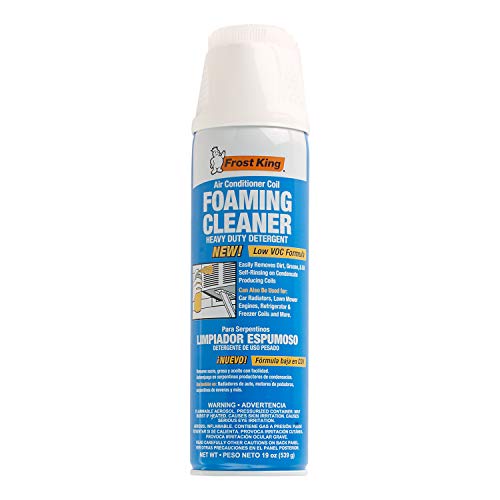
The indoor evaporator coil sits above or beside the furnace. Over time, dust bypassing the filter coats the fins and reduces heat absorption. Use a soft brush and a no-rinse coil cleaner, following the product instructions. For deeply fouled coils, or if you see significant mold growth, a technician should handle the cleaning. Our detailed walkthrough on how to clean AC evaporator coils covers the tools and safety precautions in depth.
Step 3 — Flush the Condensate Drain Line
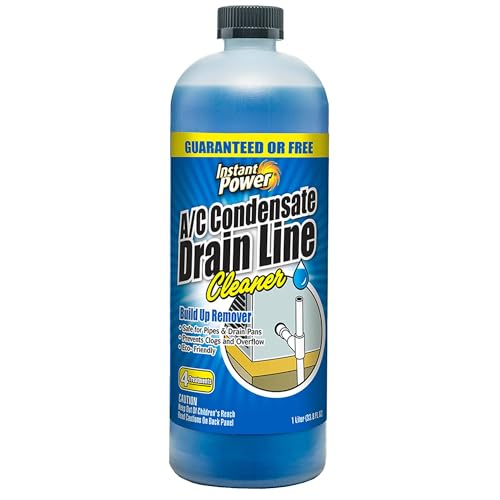
The drain line carries condensed moisture away from the air handler. Algae and biofilm can clog it, causing water to back up and potentially damage the surrounding area. Flush the line with a mixture of warm water and distilled vinegar, or use a wet/dry vacuum at the exterior termination point. Our guide on how to clean an air conditioner drain line explains the full procedure and how to recognize a clog early.
Step 4 — Clean the Outdoor Condenser Coil
The outdoor unit's condenser coil sheds heat from the refrigerant. Leaves, grass clippings, and dust block airflow and reduce efficiency. Turn off the disconnect, remove the top grille, and rinse the coil fins gently with a garden hose from the inside out. Avoid high-pressure spray, which can bend the delicate aluminum fins. Our article on cleaning an outside air conditioning unit provides a step-by-step checklist.
Step 5 — Remove Debris from the Drain Pan
Standing water in the drain pan encourages microbial growth. Wipe the pan clean, check the slope toward the drain outlet, and verify that water flows freely. If the pan is cracked or rusted, replacement is advisable before it causes water damage.
Step 6 — Clean Return and Supply Grilles
Remove grilles and wash them in warm, soapy water. Vacuum the visible duct opening behind each grille with a brush attachment. This simple step reduces the dust that gets pulled into the system and improves the appearance of your rooms.
Pro tip: Schedule your cleaning tasks around the seasons. A pre-summer cleaning prepares the system for peak cooling demand, while a pre-winter check ensures the heating side is equally ready. Combining both into a single seasonal routine saves time and keeps the system balanced year-round.
Clean HVAC Ducts: What Homeowners Should Know
Duct cleaning is the most misunderstood part of HVAC maintenance. While surface cleaning of grilles is a DIY task, deep duct cleaning requires specialized equipment — rotary brushes, high-powered negative-pressure vacuums, and HEPA filtration — to dislodge and capture debris without spreading it into the home. Professional duct cleaning is typically recommended every two to three years, or more often in homes with heavy shedding pets or recent renovations.
Our comprehensive guides on how to clean HVAC ducts and clean air duct cleaning explain what a proper service includes, how to verify a contractor's credentials, and warning signs that ducts need attention — such as visible dust trails at registers or musty odors when the system starts.
Signs Your Ducts Need Professional Cleaning
- Visible dust or debris blowing from supply registers when the system starts
- Persistent musty or moldy odors throughout the home
- Noticeable increase in dust on furniture after running the system
- Recent water damage, pest activity, or major renovation near ductwork
- Allergy symptoms that worsen when the HVAC system is running
Recommended HVAC Cleaning Schedule
Use this reference table to build a maintenance calendar. The schedule assumes typical residential usage; adjust frequency for pets, allergies, or dusty environments.
| Component | Task | Frequency | Best For |
|---|---|---|---|
| Air Filter | Replace or rinse | Every 1–3 months | All homeowners (DIY) |
| Condensate Drain | Flush with vinegar or vacuum | Every 3–6 months | All homeowners (DIY) |
| Outdoor Condenser Coil | Rinse and remove debris | Twice per year | All homeowners (DIY) |
| Evaporator Coil | Brush and no-rinse cleaner | Annually | Handy homeowners or technician |
| Blower Wheel | Vacuum and brush | Annually | Technician recommended |
| Ductwork | Deep rotary brush cleaning | Every 2–3 years | Professional-grade service |
| Drain Pan | Wipe and inspect for cracks | Annually | Homeowner or technician |
When to Call a Certified HVAC Technician
Some cleaning tasks are straightforward DIY projects, while others require training and specialized equipment. Consider professional service when:
- You suspect mold growth inside the air handler or ductwork
- The system has not been cleaned in more than three years
- You notice persistent odors that do not resolve after filter changes
- Ductwork is inaccessible or located in unconditioned spaces
- You are dealing with a refrigerant leak, electrical issue, or component failure alongside cleaning needs
A certified HVAC technician can inspect the entire system, identify hidden problems, and perform deep cleaning safely. Many contractors offer bundled maintenance plans that include coil cleaning, duct inspection, and seasonal tune-ups — a practical approach for homeowners who want consistent results without managing every task individually.
Clean HVAC in Commercial Buildings
Commercial spaces face heavier loads and stricter air quality expectations. Restaurants, offices, and retail environments need regular professional cleaning to comply with ventilation standards and to protect occupants. Our resources on commercial air duct cleaning and commercial HVAC systems cover the additional considerations for larger buildings, including duct access panels, rooftop units, and scheduling around business hours.
Common Mistakes to Avoid When Cleaning HVAC
- Using harsh chemicals on coils: Acid-based cleaners can corrode aluminum fins. Use only products labeled for HVAC coil cleaning.
- Skipping the power-off step: Always disconnect power at the breaker before opening the air handler.
- Bending condenser fins: High-pressure water or rough brushing damages fins and reduces heat transfer.
- Ignoring the drain line: A clogged drain can cause water damage and mold growth that cleaning alone cannot fix.
- Cleaning ducts without negative pressure: DIY duct cleaning without proper containment can spread debris throughout the home.
Frequently Asked Questions About Clean HVAC
How often should I clean my HVAC system?
A full system cleaning is recommended every two to three years for most homes. Homes with pets, allergy sufferers, or recent renovations may benefit from annual cleaning. Filters should be checked monthly and replaced every one to three months.
Does cleaning HVAC ducts really improve air quality?
Yes. Cleaning ducts removes accumulated dust, debris, pet dander, and microbial growth from the ductwork. This reduces the particles recirculated into your living space, which can noticeably improve indoor air quality.
Can I clean my HVAC ducts myself?
Light maintenance such as filter changes, drain line flushing, and exterior coil cleaning is safe for most homeowners. Deep duct cleaning requires rotary brushes and negative-pressure equipment and is best handled by a certified technician.
What are the signs that my HVAC needs cleaning?
Weak airflow, musty odors, visible dust at registers, rising energy bills, and allergy symptoms that worsen when the system runs are common indicators that cleaning is overdue.
Is professional duct cleaning worth it?
For most homes, periodic professional cleaning is a worthwhile investment because it removes contaminants that DIY methods cannot reach and helps maintain system efficiency over the long term.
Final Thoughts
Keeping your HVAC system clean is one of the most practical maintenance habits a homeowner can build. Start with the simple tasks — filter changes, drain flushing, and outdoor coil rinsing — and bring in a certified technician for deep coil and duct cleaning when needed. The result is a home that feels fresher, equipment that lasts longer, and energy use that stays under control.
For related topics, explore our guides on cleaning air conditioner drain lines, cleaning air conditioner coils, and removing mould from air conditioners to keep every part of your system in top condition.