Commercial Air Duct Cleaning: A Complete Guide for Business Owners
Learn why duct cleaning matters for commercial buildings, what methods professionals use, how often to schedule service, and how to choose a certified contractor for your facility.
START READING
Quick overview: Commercial air duct cleaning removes accumulated dust, debris, microbial growth, and contaminants from the ductwork of business facilities. It supports healthier indoor air, more efficient HVAC operation, and longer equipment life. This guide explains the process, methods, frequency, and what to look for in a provider.
Why Commercial Air Duct Cleaning Matters
Commercial buildings — offices, restaurants, retail stores, warehouses, and multi-tenant facilities — rely on centralized HVAC systems to keep indoor air comfortable and healthy. Over time, ductwork accumulates dust, pollen, lint, construction debris, and sometimes microbial growth. In a commercial setting, the consequences go beyond a minor annoyance.
Healthier Indoor Air for Occupants
Employees, customers, and tenants spend hours inside your building. Contaminated ducts can circulate airborne particles that aggravate allergies and respiratory conditions. Regular cleaning supports better indoor air quality, which is especially important in spaces with high occupancy or sensitive populations, such as healthcare facilities and schools.
Improved HVAC Efficiency
When ductwork is clogged with debris, the HVAC system has to work harder to move air. Restricted airflow can increase energy consumption and put stress on fans and compressors. Clean ducts help maintain designed airflow and reduce load on the system. For facilities already dealing with airflow problems, reviewing related guides on a central air unit running but not cooling can help pinpoint whether duct restriction is a contributing factor.
Extended Equipment Lifespan
Debris buildup forces components to run longer and hotter. Regular duct cleaning is part of a broader preventive maintenance routine that protects your commercial HVAC investment and reduces the likelihood of unexpected breakdowns.
Odor Control and Cleaner Environment
Stale odors often originate in ductwork where moisture and organic matter accumulate. Cleaning removes the source of odors and helps maintain a fresher environment — particularly important for restaurants and hospitality spaces.
Compliance and Documentation
Some commercial sectors benefit from documented maintenance records for insurance, tenant agreements, or internal health and safety programs. Professional duct cleaning provides before-and-after documentation that supports these requirements.
Signs Your Commercial Ductwork Needs Cleaning
Not every building needs cleaning on the same schedule. Watch for these indicators that it may be time to schedule an inspection or service:
- Visible dust or debris around supply registers, return grilles, or inside accessible duct sections.
- Persistent odors coming from vents when the HVAC system runs.
- Uneven airflow between zones or rooms that were previously balanced.
- Increased allergy or respiratory complaints from building occupants.
- Recent renovations or construction that generated drywall dust or debris.
- Water intrusion or moisture issues in or near ductwork, which can encourage microbial growth.
- Visible mold on duct surfaces or components (requires specialized remediation).
- Pest activity or evidence of rodents/insects in duct systems.
- Long intervals since last cleaning — especially in high-traffic or dirty environments.
If your facility also experiences cooling problems, it's worth checking whether the issue is duct-related or equipment-related. Guides such as central air turns on but doesn't cool and central air unit fan spinning but not cooling can help you narrow down the cause before calling a technician.
Commercial Duct Cleaning Methods Explained
Professional duct cleaning uses specialized equipment to dislodge and remove contaminants. Most reputable providers combine several methods for thorough results.
1. Source Removal (Negative Pressure)
This is the industry-recommended approach. The contractor places the system under negative pressure using a powerful vacuum connected to the ductwork, then uses agitation tools to dislodge debris. Contaminants are captured and removed rather than redistributed into the space.
2. Mechanical Agitation
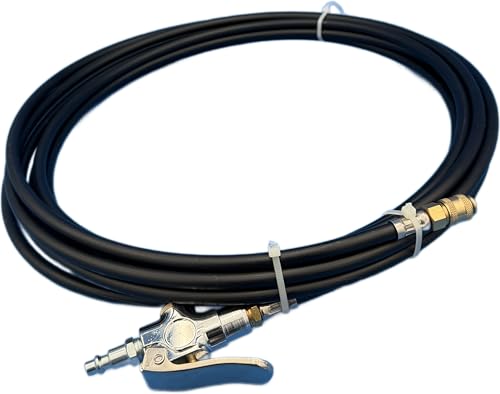
Rotary brushes, compressed air whips, and specialized nozzles are used to loosen debris from duct walls. The choice of tool depends on duct material and configuration.
3. Contact Vacuuming
For accessible sections and components, technicians use high-powered vacuums with HEPA filtration to remove debris directly.
4. Component Cleaning
Cleaning typically extends beyond the ducts themselves to include registers, grilles, diffusers, and accessible components of air handling units. In some cases, coils and drain pans are also cleaned as part of a broader service. Related maintenance guides include cleaning AC evaporator coils and cleaning air conditioner condenser coils.
5. Sanitizing (Optional)
Some providers offer sanitizing or antimicrobial treatments. These should only be applied after thorough physical cleaning and only with EPA-registered products appropriate for HVAC systems. Sanitizing is not a substitute for source removal.
Service Tiers: What to Expect
Commercial duct cleaning services vary in scope. The table below outlines typical service tiers using neutral market descriptors.
| Tier |
Typical Scope |
Best For |
| Essential tier |
Basic inspection, visible debris removal from accessible ducts, register and grille cleaning |
Small offices and retail spaces with light buildup and no known contamination issues |
| Balanced tier |
Full source removal with negative pressure, mechanical agitation, component cleaning, before-and-after documentation |
Most commercial facilities seeking thorough cleaning and documented results |
| High-end tier |
Comprehensive cleaning including AHU components, coil cleaning, drain pan service, optional sanitizing, detailed reporting |
Restaurants, healthcare facilities, and buildings with moisture or odor concerns |
| Professional-grade |
Large-scale multi-zone cleaning, robotic equipment for complex ductwork, full documentation, follow-up inspection |
Large commercial buildings, warehouses, and facilities with extensive duct networks |
Entry-level services may be suitable for routine maintenance in clean environments. Mid-range and top-tier services are generally recommended when contamination, moisture, or documented health concerns exist. Commercial-grade providers typically offer the equipment and staffing needed for larger facilities.
How Often Should Commercial Ducts Be Cleaned?
There is no universal schedule. Frequency depends on the facility type, occupancy, environment, and maintenance history. General guidance:
- Offices and retail: Every 3–5 years under normal conditions, sooner if signs of contamination appear.
- Restaurants and food service: More frequent due to grease, moisture, and high particulate loads — often annually or per local requirements. Kitchen exhaust systems are separate and typically require specialized cleaning; see commercial kitchen hood cleaning for that topic.
- Healthcare and schools: Often every 1–3 years or per internal policy, with attention to infection control.
- Warehouses and industrial: Depending on dust levels, every 2–4 years or more frequently in high-particulate environments.
- After renovations or water events: Inspect and clean as needed, regardless of schedule.
Routine HVAC maintenance between cleanings also helps. Checking thermostats and controls is part of a complete program — for example, troubleshooting guides like central air thermostat not working can help identify control issues before they escalate.
How to Choose a Commercial Duct Cleaning Contractor
Choosing the right provider matters. A poor job can redistribute contaminants or damage ductwork. Use this checklist when evaluating contractors:
- Verify licensing, insurance, and certifications such as NADCA membership where applicable.
- Ask for a written scope of work and a pre-service inspection.
- Confirm the provider uses source removal with negative pressure and HEPA filtration.
- Request before-and-after photos or video documentation.
- Ask whether sanitizing is offered and what products are used.
- Check references from similar commercial facilities.
- Confirm how the provider protects your space during service.
- Avoid providers who pressure you into unnecessary add-ons or make health claims without evidence.
For larger facilities, look for commercial HVAC contractors who handle duct cleaning as part of broader maintenance. Facilities that also need equipment service may benefit from comparing providers that cover both cleaning and repair, including commercial HVAC repair.
Common Pitfalls to Avoid
- Hiring a provider who only vacuums registers without addressing the duct interior.
- Using chemical sanitizers without prior physical cleaning.
- Skipping documentation — always request before-and-after evidence.
- Ignoring moisture problems; cleaning without fixing the source will lead to recurrence.
- Assuming duct cleaning alone solves HVAC performance issues; equipment and controls must also be checked.
If your system shows persistent symptoms such as a central air unit not blowing cold air or a central air unit stopped blowing cold air, a qualified technician should diagnose the issue. Duct cleaning is one part of a healthy HVAC system, not a universal fix.
Summary of Benefits
Regular commercial air duct cleaning supports a healthier workplace, more predictable HVAC performance, and longer equipment life. Combined with routine maintenance — including coil cleaning, filter changes, and control checks — it helps maintain a comfortable and efficient indoor environment.
- Improved indoor air quality for occupants
- Reduced strain on HVAC equipment
- Better airflow and temperature consistency
- Odor reduction
- Documented maintenance for compliance and insurance
- Extended lifespan of ductwork and components
For facilities needing broader HVAC planning, related resources include commercial building air conditioning system guides and centralised HVAC system overviews. Maintenance teams may also find value in cleaning HVAC ducts and clean air duct cleaning references.
Frequently Asked Questions
How long does commercial air duct cleaning take?
Duration depends on the size and complexity of the duct system. A small office may take a few hours, while a large facility with multiple zones can take one or more days. A pre-service inspection usually provides a more accurate estimate.
Will duct cleaning disrupt my business operations?
Reputable contractors plan the work to minimize disruption, often scheduling around business hours or in phases. Discuss scheduling and containment with your provider in advance.
Is duct cleaning required by regulation?
Requirements vary by industry and jurisdiction. Some sectors — such as food service — have specific cleaning requirements for certain systems. Check local codes and industry standards, and consult your contractor for guidance.
How do I know if cleaning was done properly?
Request before-and-after photos or video, a written summary of work performed, and confirmation that source removal methods were used. A post-service inspection is a good practice.
Does duct cleaning improve HVAC efficiency?
Clean ducts help maintain designed airflow, which supports efficient operation. However, efficiency also depends on equipment condition, refrigerant charge, controls, and building envelope. Duct cleaning is one part of a complete maintenance program.
Can duct cleaning remove mold?
Surface mold on accessible duct components can be removed during cleaning, but mold remediation requires addressing the moisture source. Providers should follow industry guidance and use appropriate PPE and containment. Persistent moisture issues should be corrected to prevent recurrence.
What is negative pressure duct cleaning?
Negative pressure duct cleaning uses a powerful vacuum to keep the duct system under suction while debris is dislodged, preventing contaminants from escaping into occupied spaces. It is considered the industry-recommended approach.