
Clean Air Duct Cleaning: A Complete Guide for Homeowners
Understand how clean air duct cleaning works, why it matters for indoor air quality, and how to choose the right cleaning method for your HVAC system
Explore Cleaning MethodsWhy this matters: Your air ducts circulate the air you breathe every day. Over time, dust, debris, pet dander, and allergens accumulate inside the ductwork. Clean air duct cleaning helps maintain airflow efficiency, supports HVAC longevity, and creates a healthier living environment for your family.
What Is Clean Air Duct Cleaning?
Clean air duct cleaning is a professional maintenance process that removes accumulated dust, dirt, debris, and biological contaminants from the supply and return ducts of your heating, ventilation, and air conditioning system. Unlike simple filter replacement, duct cleaning addresses the entire duct network using specialized equipment such as high-powered vacuums, rotary brushes, and compressed air tools.
The process typically covers the full HVAC system, including the supply and return air ducts, registers, grilles, diffusers, heat exchangers, cooling coils, drip pans, fan motor, and fan housing. When performed correctly by a certified technician, clean air duct cleaning restores proper airflow and reduces the volume of airborne particles circulating throughout your home.
Many homeowners confuse duct cleaning with routine filter changes. While regular filter maintenance is essential, it only protects the air handler from large particles. Duct cleaning is a deeper service that targets the interior surfaces of the ductwork itself — surfaces that filters cannot reach. For a broader look at maintaining your entire HVAC system, explore our guide on how to clean HVAC system components effectively.
Why Clean Air Duct Cleaning Matters for Your Home
Indoor air quality is directly linked to the condition of your ductwork. According to the U.S. Environmental Protection Agency, indoor air can be several times more polluted than outdoor air, and your duct system is a primary distribution channel for those pollutants. Here are the key reasons clean air duct cleaning is important:
- Healthier indoor air: Removing dust, mold spores, and allergens from ductwork reduces respiratory irritation for family members, especially those with asthma or allergies.
- Improved HVAC efficiency: Clean ducts allow air to flow freely, reducing strain on your blower motor and helping your system perform as designed.
- Extended system lifespan: Less debris means fewer clogs and less wear on components, contributing to a longer service life for your equipment.
- Reduced odors: Stale or musty smells often originate from contaminated ductwork. Cleaning eliminates the source of these odors.
- Lower energy consumption: A system that breathes freely works more efficiently, which supports lower energy use over time.
If you notice that your system is not performing as expected, our guide on central air turns on but doesn't cool may help you identify whether duct issues or other problems are the cause.
Signs You Need Clean Air Duct Cleaning
Not every home needs duct cleaning on a fixed schedule. Instead, watch for these signs that indicate your ductwork may need professional attention:
Visible Dust Around Vents
If dust accumulates quickly around registers and grilles after cleaning, debris may be blowing out of the ducts.
Musty or Stale Odors
Persistent odors when the system runs often point to mold, mildew, or accumulated debris inside the ductwork.
Increased Allergy Symptoms
If family members experience worsening symptoms indoors, contaminated ducts may be circulating irritants.
Uneven Airflow
Weak airflow from some vents can indicate blockages or debris buildup within the duct system.
Recent Renovation
Construction dust and debris frequently settle in ductwork during remodeling projects.
New Home Purchase
Previous occupants may not have maintained the ducts, making an inspection worthwhile before moving in.
For related maintenance guidance, our article on clean HVAC ducts provides additional insight into keeping your duct system in good condition.
Clean Air Duct Cleaning Methods Explained
Professional duct cleaning services use a combination of techniques depending on the duct material, layout, and level of contamination. Understanding these methods helps you have an informed conversation with your chosen service provider.
Source Removal (Contact Vacuum)
A high-powered vacuum is connected to the duct system while technicians agitate debris with rotary brushes and air whips. This is the most thorough and recommended method.
Negative Pressure Technique
The system is placed under negative pressure to prevent contaminants from escaping into living spaces while cleaning tools work inside the ducts.
Rotary Brush Cleaning
Flexible rotary brushes dislodge stubborn debris from duct walls, ideal for metal ductwork with accumulated buildup.
Compressed Air Whips
Air whips use high-pressure air to break loose debris from duct surfaces, often combined with vacuum collection.
Manual Cleaning
Technicians manually clean accessible areas such as registers, grilles, and plenum sections using hand tools.
Sanitizing Application
An optional antimicrobial treatment may be applied after cleaning to inhibit mold and bacterial growth, especially in humid climates.
The most effective clean air duct cleaning approach combines source removal with negative pressure and mechanical agitation. Avoid providers that rely solely on chemical sprays or fogging without physical debris removal. For a broader view of duct maintenance, see our guide on clean HVAC best practices.
The Professional Duct Cleaning Process
A thorough clean air duct cleaning service typically follows a structured process. Understanding each step helps you evaluate whether a provider is doing a complete job.
- Inspection: Technicians inspect the duct system using cameras and visual checks to assess contamination levels and identify problem areas.
- System setup: Vacuum equipment is connected to the main trunk or a strategic access point, and the system is put under negative pressure.
- Agitation and debris removal: Rotary brushes, air whips, and manual tools are used to dislodge debris from all accessible duct sections.
- Register and grille cleaning: Supply and return registers are removed and cleaned separately, then reinstalled.
- Component cleaning: The blower motor, cooling coils, drip pan, and heat exchanger are cleaned as part of the complete service.
- Final verification: Technicians confirm that debris has been removed and airflow is restored before completing the job.
A complete clean air duct cleaning job should include all system components — not just the visible ducts. If your system has other issues after cleaning, our article on central air unit isn't blowing cold air covers common causes and fixes.
DIY vs Professional Clean Air Duct Cleaning
Some homeowners attempt duct cleaning with consumer-grade vacuums or brushes. While limited surface cleaning of registers is possible, true clean air duct cleaning requires professional equipment to reach deep into the duct network and capture debris safely.
What DIY Can Handle
Removing and washing vent covers, vacuuming visible dust near registers, and replacing filters regularly are reasonable DIY tasks that support overall cleanliness.
What Requires a Professional
Deep debris removal inside trunk lines, coil cleaning, blower motor cleaning, and mold remediation require specialized equipment and training.
For HVAC system maintenance tasks beyond ductwork, our guide on clean AC evaporator coils explains how coil cleaning supports system efficiency. Additionally, clean HVAC ducts provides practical maintenance tips that complement professional cleaning.
How Often Should You Schedule Clean Air Duct Cleaning?
The frequency of clean air duct cleaning depends on several factors, including pets, occupants with allergies, smoking indoors, and local environmental conditions. Most HVAC professionals recommend considering duct cleaning every three to five years, or sooner if specific conditions apply.
- Homes with pets: Pet dander and hair accumulate faster in ductwork; more frequent inspection is wise.
- Households with allergy sufferers: Cleaner ducts support better indoor air quality for sensitive occupants.
- After major renovation: Construction debris settles in ducts and should be removed promptly.
- Homes with recent water damage: Moisture can lead to mold growth inside ductwork, requiring professional remediation.
- Older homes: Ductwork in older properties may have decades of accumulated debris.
Pairing duct cleaning with seasonal maintenance keeps your entire system running smoothly. Our clean HVAC system guide outlines a complete maintenance checklist.
How to Choose a Duct Cleaning Provider
Selecting the right provider is critical for getting a thorough, safe clean air duct cleaning service. Consider the following when evaluating companies:
- Certification: Look for technicians certified by organizations such as NADCA (National Air Duct Cleaners Association).
- Insurance: Verify that the company carries liability insurance and workers' compensation coverage.
- Source removal focus: Choose providers who emphasize physical debris removal, not just chemical sprays.
- Transparent process: A reputable company will explain each step and show you before-and-after evidence.
- Complete system cleaning: Ensure the service includes ducts, coils, blower, and registers — not just visible vents.
- References and reviews: Ask for local references and read verified customer feedback.
For broader HVAC contractor guidance, see our related resources on certified HVAC technician qualifications and commercial HVAC service standards.
Ready for a Cleaner, Healthier Home?
Explore our recommended duct cleaning and air quality products to complement your professional duct cleaning service.
View RecommendationsFrequently Asked Questions About Clean Air Duct Cleaning
How long does clean air duct cleaning take?
A typical residential clean air duct cleaning service takes two to four hours, depending on the size of the home, number of vents, and level of contamination. Larger homes or systems with heavy buildup may require additional time.
Is duct cleaning safe for families and pets?
Yes, when performed by a qualified technician using source removal and negative pressure techniques. The process is designed to contain debris and prevent it from entering living spaces. Ask your provider about any sanitizing agents used if family members have chemical sensitivities.
Can clean air duct cleaning improve HVAC efficiency?
Clean ducts support proper airflow, which reduces strain on the blower motor and helps the system perform as designed. While duct cleaning is not a substitute for repairing mechanical issues, it is a valuable part of overall HVAC maintenance.
How do I know if my ducts need cleaning?
Look for visible dust around vents, musty odors, worsening allergy symptoms indoors, uneven airflow, or recent renovations. A professional inspection can confirm whether cleaning is warranted.
Does duct cleaning help with mold in the HVAC system?
Professional cleaning can remove mold from accessible duct surfaces, and an antimicrobial treatment may be applied. However, if mold growth is extensive, the underlying moisture source must be addressed to prevent recurrence. For related maintenance, see our guide on clean mould from air conditioner.
Related Maintenance Guides
Recommended Duct Cleaning & Air Quality Products
⚠️ AFFILIATE DISCLOSURE: This website contains affiliate links. As an Amazon Associate, we earn from qualifying purchases. If you make a purchase through these links, we may receive a small commission at no additional cost to you. Read our full affiliate policy.

Flexible 8 Tentacles Air Duct Cleaning Whip, Forward Air Flow Design, 14 Inch Long for Duct Cleaning with 1/8 Inch Connector
Check price on Amazon
On-Site Duct Supplies 50' Air Duct Cleaning Snake, Flexible Memory Material, 3/8 OD PVC Tubing, Metal Handle, Blowgun with Quick Connector for HVAC Dryer Vents
Check price on Amazon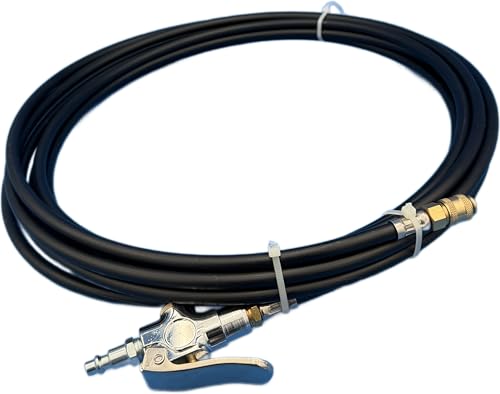
On-Site Duct Supplies 25' Air Duct Cleaning Snake with Blowgun, Flexible Memory Material, 3/8 OD for HVAC Dryer Vents and Supply Vents
Check price on Amazon
TECHTONGDA Air Duct Cleaning Machine for Fresh Air Pipe Cleaning & Suction | Fits Pipes Diameter 1.97"-7.87", 49.2 ft Flexible Shaft Length, Rotary Brush Duct Pipe Cleaning Machine Vent Cleaning Tool
Check price on Amazon
GASHER 50feet Home Dryer Vent Duct Cleaning Kit, 2 Jetter Nozzle, 1/4" NPT Ball Valve, 1/4" NPT Air Plug, 1/4"NPT Reducer Adapter
Check price on Amazon
Xpike 17FT One-Piece Flexible Shaft Dryer Vent Cleaner Kit | Drill Powered Dryer Duct Cleaning Brush, Heavy Duty Lint Remover Tool
Check price on Amazon
PermaSafe CLEAN, HVAC System & Air Duct Deodorizer | Air Conditioning System and Air Duct Odor Eliminator | Removes and Prevents Return of Odors | Restores, Enhances Indoor Air Quality | 8 oz
Check price on Amazon