AC Capacitor: What to Expect When It Fails & How to Choose a Replacement
Your air conditioner won't start, the fan hums but won't spin, or the compressor clicks repeatedly. A failing capacitor is one of the most common causes. Learn the symptoms, the types, the labor factors, and how to make a confident replacement decision.
Understand the Replacement FactorsQuick overview: An air conditioner capacitor stores and releases electrical energy to start and run the compressor and fan motors. When it weakens, the system may not start at all, may trip the breaker, or may run inefficiently. This guide explains what happens, which capacitor type matters, and which variables affect the final outlay so you can plan with confidence.
What Does an AC Capacitor Do?
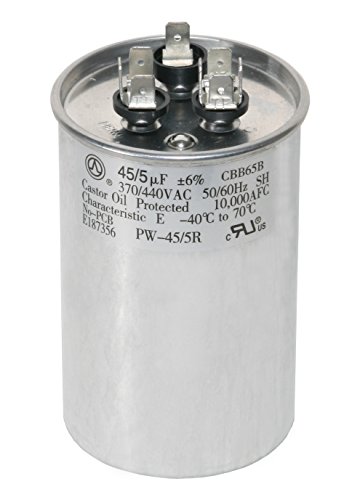
A capacitor is a small, cylindrical component inside the outdoor condenser unit (and sometimes the indoor air handler). It provides the initial electrical boost that starts the compressor and the condenser fan motor, and it helps them run smoothly. Two main types exist:
-
Start Capacitor
Delivers a short, high-energy burst to get the compressor motor spinning. It disconnects once the motor reaches operating speed. A failed start capacitor often causes a loud clicking sound and a compressor that won't turn over.
-
Run Capacitor
Stays in the circuit during operation to smooth out voltage fluctuations and keep the motor running efficiently. A weak run capacitor is a frequent cause of a humming fan that doesn't spin or a compressor that overheats and shuts down.
Some systems use a dual-run capacitor that powers both the compressor and the fan motor in one housing. Identifying the correct type is the first step toward a proper replacement.
Signs Your AC Capacitor Is Failing
Capacitors degrade gradually. Recognizing the warning signs early can prevent a full system shutdown during peak heat. Watch for these common symptoms:
AC Won't Start
The thermostat calls for cooling, but the outdoor unit stays silent. A completely dead capacitor is a prime suspect.
Humming but No Fan Spin
The condenser fan motor hums without turning. This points to a weak run capacitor that can't provide enough torque.
Frequent Breaker Trips
A shorted capacitor can draw excess current, tripping the circuit breaker repeatedly.
Compressor Clicks On and Off
Repeated clicking from the outdoor unit often indicates the start capacitor is not delivering its burst.
System Runs but Cools Poorly
A weakening capacitor can cause the compressor to run slower, reducing cooling capacity and efficiency.
Visible Bulging or Leaking
A physical inspection may reveal a swollen top or oily residue — clear signs the capacitor has reached the end of its life.
Capacitor Types and Typical Applications
Choosing the right capacitor matters. The table below outlines the main categories you'll encounter, without reference to any currency or figures.
| Capacitor Type | Function | Typical Use | Tier Descriptor |
|---|---|---|---|
| Start Capacitor | Provides high starting torque | Older compressors, hard-start kits | Essential tier |
| Run Capacitor | Maintains smooth operation | Most modern condenser fan and compressor motors | Balanced tier |
| Dual-Run Capacitor | Powers compressor and fan in one unit | Packaged and split systems | Mid-tier |
| Hard-Start Capacitor Kit | Boosts starting torque on aging systems | Older units in hot climates | Premium tier |
For a broader look at component-level repairs, see our guide on air conditioner compressor replacement and AC fan motor replacement.
What Affects the Replacement Outlay?
Several variables influence the total outlay for a capacitor replacement. Understanding these helps you evaluate a contractor's proposal and decide whether a DIY approach is realistic.
-
Capacitor Type and Tier
A standard single run capacitor sits at the entry-level tier, while a dual-run or hard-start kit is positioned at the mid-tier or premium tier. The difference reflects construction quality, brand reputation, and expected service life — not a simple number.
-
Labor and Diagnostic Time
A technician must diagnose the fault, safely discharge the capacitor, test the new part, and verify system operation. Labor is often the larger share of the total outlay, especially for emergency or after-hours service.
-
System Accessibility
Rooftop units, tight closet installations, or units behind security cages require more time and equipment. Accessibility directly influences the labor portion of the proposal.
-
Warranty and Part Sourcing
An OEM (original equipment manufacturer) capacitor from the system's brand typically carries a longer warranty than a generic aftermarket part. Contractors may offer different tiers of replacement parts, each with its own durability profile.
-
Geographic Market
Labor rates vary significantly by region and season. Peak summer demand can push labor to a higher tier compared to shoulder-season service calls.
⚠️ Safety First: Capacitors Store Dangerous Voltage
A capacitor can hold a lethal charge even after the power is turned off. Only a qualified HVAC technician should discharge, test, and replace a capacitor. Attempting this as a DIY project risks severe electrical shock, damage to the compressor, and voided warranties. Always call a licensed professional for capacitor replacement.
Replace Just the Capacitor or the Whole Unit?
If your system is otherwise healthy — the compressor is strong, the coils are clean, and the unit is within its expected service life — replacing a single capacitor is a sensible repair. However, if the capacitor failure coincides with other symptoms such as refrigerant leaks, a failing compressor, or a system that is well past its typical lifespan, it may be wise to compare repair versus replacement. Our detailed breakdown on AC replace vs repair can help you weigh the options.
For systems that are already at the high-end tier of age and efficiency, a new high-efficiency unit may deliver better long-term comfort and lower energy use. Explore highest SEER air conditioners if you're leaning toward an upgrade.
How to Choose a Contractor for Capacitor Replacement
-
Verify Licensing and Insurance
Ask for the technician's license number and proof of insurance. A reputable contractor will provide these without hesitation. See our guide on HVAC license and insurance.
-
Request a Written Proposal
A clear proposal should itemize the diagnostic work, the capacitor tier (entry-level, mid-range, or premium), labor, and any warranty terms. Avoid verbal-only arrangements.
-
Ask About Warranty
Confirm whether the replacement part and labor carry a warranty, and for how long. Our AC warranty explained article covers common terms.
-
Compare Multiple Quotes
Obtaining two or three proposals helps you understand the local market and identify any outliers. Read our tips on how to get an installation quote for a structured comparison approach.
Frequently Asked Questions
How long does an AC capacitor typically last?
Can I replace an AC capacitor myself?
What happens if I ignore a failing capacitor?
Will a new capacitor improve my AC's efficiency?
How do I know which capacitor my system needs?
Ready to Explore Replacement Options?
If your AC is showing capacitor symptoms, the next step is a professional diagnosis. Browse our curated selection of air conditioners and related components to compare features and find the right fit for your home.
View Recommended ProductsRelated reading: AC thermostat cost, AC unit compressor replacement, air conditioner annual maintenance contract, and air conditioning tune-up service.