AC Unit for a 1700 Sq Ft House: Complete Sizing and Selection Guide
Everything you need to know before choosing an air conditioner for a 1,700 square foot home — proper tonnage, BTU requirements, system types, efficiency ratings, and the factors that influence your final decision.
START WITH SIZINGWhy this guide matters: A 1,700 square foot house sits in a sweet spot — large enough to need a whole-home solution, but small enough that oversizing is a real risk. Choosing the right capacity and system type protects comfort, indoor air quality, and long-term equipment reliability. This page walks you through every decision point so you can move forward with confidence.
How to Size an AC Unit for a 1,700 Sq Ft House
Air conditioner capacity is measured in tons, where one ton equals 12,000 BTU per hour. For a 1,700 square foot home, the general sizing range falls between 2.5 and 3.5 tons, with 3 tons being the most common starting point. However, square footage alone is never enough — a proper load calculation considers ceiling height, window area, insulation quality, climate zone, occupancy, and appliance heat gain.
| Home Condition | Suggested Capacity | BTU Range | Best For |
|---|---|---|---|
| Well-insulated, mild climate, few windows | 2.5 tons | ~30,000 BTU | Efficient, tightly sealed homes |
| Average insulation, moderate climate | 3 tons | ~36,000 BTU | Most 1,700 sq ft homes |
| Older home, large windows, hot climate | 3.5 tons | ~42,000 BTU | High heat gain, poor insulation |
These are reference ranges only. A professional Manual J load calculation remains the most reliable method for selecting exact capacity.
For a deeper explanation of the calculation method, see our guide on how to size an air conditioner and the BTU calculator by room size. If you are comparing a 1,700 sq ft home against nearby sizes, you may also find the central AC unit for a 1700 sq ft house reference useful, along with the central air for 1700 sq ft house overview and the AC unit for 1800 sq ft house comparison for one step larger.
Which AC System Type Fits a 1,700 Sq Ft Home?
The right system type depends on whether your home already has ductwork, how the rooms are laid out, and how much control you want over individual zones. Here are the main options for this home size:
Central Air Conditioning
The standard choice when ductwork exists. A single outdoor condenser paired with an indoor air handler cools the entire home evenly. Best for homes with existing ducts and a desire for a clean, invisible installation. Learn more in our central air conditioning guide.
Ductless Mini-Split
Ideal for homes without ducts or for room-by-room zoning. One or more indoor wall units connect to an outdoor compressor. Excellent efficiency and precise control. Compare options in our ductless mini-split AC section.
Heat Pump System
Combines cooling and heating in one unit, making it a strong long-term investment for moderate climates. Works with ducts or as a ductless system. See our AC with heat pump overview.
Window or Portable Units
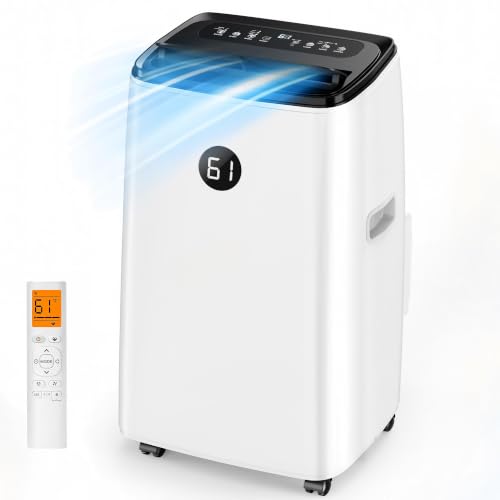
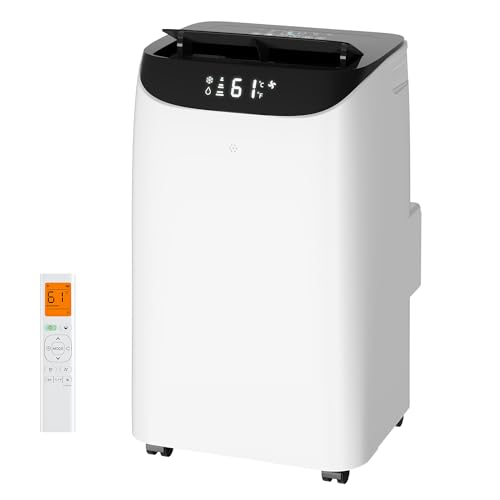
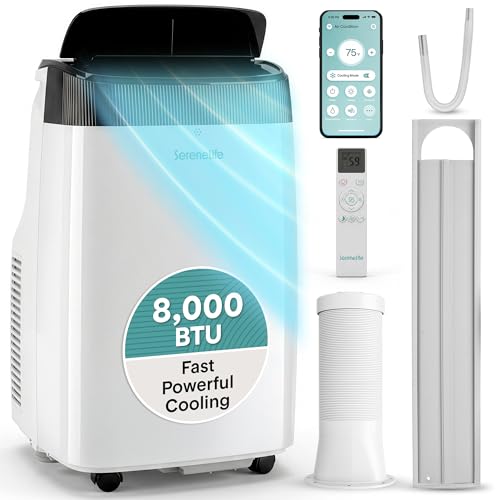
Practical for a single room or as a temporary solution, but not suitable for whole-home cooling at 1,700 sq ft. Explore window air conditioners and portable air conditioners if you only need spot cooling.
If your home has forced-air heating but no cooling, adding central air may be more straightforward than starting from scratch. Read our guide on the cost of adding central air to a forced air system to understand the scope. Homes without any ductwork typically lean toward a ductless mini-split or a ducted mini-split depending on layout.
Efficiency Ratings: What to Look For
Efficiency directly affects long-term operating performance. For a 1,700 sq ft home, the two ratings that matter most are SEER2 (cooling efficiency) and HSPF2 (heating efficiency, if you choose a heat pump). Higher ratings generally mean better performance per unit of electricity, but the right target depends on your climate and how long you plan to stay in the home.
- SEER2: The updated DOE standard. Entry-level systems typically start around 14.3 SEER2, mid-range units sit in the 15–17 range, and high-end tier systems reach 18 and above. In hotter climates, a higher SEER2 rating is a more meaningful long-term investment.
- EER2: Measures efficiency at peak temperature. Useful for understanding performance during the hottest part of the day.
- ENERGY STAR: Certified units meet stricter efficiency thresholds than minimum standards. Look for the label when comparing models.
- Inverter technology: Variable-speed compressors modulate output instead of cycling on and off. They tend to deliver more stable temperatures and better part-load efficiency. See our inverter AC explainer and the inverter vs non-inverter comparison.
For a full breakdown, read what is SEER rating and SEER vs SEER2 DOE standards. If efficiency is your top priority, our highest SEER air conditioner and most energy efficient AC pages are worth reviewing.
What Influences the Overall Investment
While this guide intentionally avoids specific figures, understanding the factors that shape the overall investment helps you plan realistically. For a 1,700 sq ft home, the main variables are:
- System tier: Entry-level equipment is well-specified for basic cooling, mid-range systems add better efficiency and quieter operation, and premium or high-end tier systems offer advanced features, variable-speed compressors, and longer warranties.
- Ductwork condition: If ducts exist and are in good shape, installation is simpler. If ducts need sealing, repair, or full replacement, the project scope expands. See replacing air conditioning ductwork for context.
- Electrical and structural work: Older homes may need panel upgrades, new line sets, or condensate routing. Our 110V vs 240V AC unit guide explains voltage considerations.
- Labor market and permits: Regional labor rates and local permit requirements affect the installed total. Read how to get an AC permit before scheduling work.
- Efficiency tier: Higher-efficiency equipment carries a larger upfront investment but can reduce long-term energy use. The ENERGY STAR certified AC page explains the certification thresholds.
For broader context on system-level figures, our guides on central air conditioner system cost, new central air conditioning unit, and replacing an air conditioner cover the components that make up a full project. If you are also comparing a slightly smaller home, the central air conditioner for 1500 square feet reference is a useful benchmark, and the air conditioner for a 1500 square foot house page provides additional detail.
Maintenance Habits That Protect Your System
A properly sized and installed system still needs routine care to perform well over its service life. For a 1,700 sq ft home, the highest-impact habits are simple:
- Replace or clean filters regularly. A clogged filter restricts airflow and strains the blower. See when to replace AC filter.
- Schedule seasonal tune-ups. A spring check-up catches refrigerant, electrical, and airflow issues before peak season. Read about AC tune-up service.
- Keep the outdoor unit clear. Trim vegetation and remove debris around the condenser to maintain airflow.
- Clean coils periodically. See clean condenser coils and clean evaporator coils.
- Consider a maintenance plan. Predictable service visits reduce the chance of mid-summer breakdowns. See annual maintenance contract and air conditioning cleaning service.
If something goes wrong, our troubleshooting guides cover the most common issues: AC not cooling, AC leaking water, AC blowing warm air, and AC frozen coils. For repair scope, see air conditioning unit repair and compressor replacement.
Common Mistakes to Avoid at This Home Size
- Oversizing the system. A unit that is too large cools quickly but cycles frequently, which can leave rooms feeling clammy and increase wear on components. Read what happens if AC is too big or too small.
- Ignoring duct leakage. Leaky ducts can waste a significant portion of cooling output. See how to seal air ducts and seal air ducts for efficiency.
- Skipping the load calculation. Relying only on square footage can lead to the wrong tonnage. A Manual J load calculation is the industry-standard method.
- Choosing a contractor on a single number. Compare scope, warranty, and licensing. Our how to choose HVAC contractor guide and how to get an installation quote page explain what to ask.
- Neglecting the thermostat. A modern programmable or smart thermostat improves scheduling and comfort. See use programmable thermostat and AC with Wi-Fi smart control.
Compare Nearby Home Sizes
If your home is close to but not exactly 1,700 square feet, these adjacent guides provide useful context:
- AC unit for 1200 sq ft house
- Central air for 1400 sq ft house
- AC unit for 1800 sq ft house
- AC unit for 2000 sq ft house
- AC unit for 2400 sq ft house
- Central air for 2500 sq ft home
Frequently Asked Questions
What size AC unit do I need for a 1,700 sq ft house?
Is 3 tons enough for 1,700 square feet?
Should I choose central air or a ductless mini-split?
What SEER2 rating should I target?
How long does installation take for a 1,700 sq ft home?
Ready to Compare Air Conditioner Options?
Now that you understand sizing, system types, and efficiency, browse recommended models for this home size and compare features side by side.
VIEW RECOMMENDED MODELS