
Cost of New 3 Ton AC Unit Installed: What to Expect
Planning a central air replacement? Understand the key factors that shape the investment for a 3 ton AC unit installed, from equipment tiers and efficiency ratings to installation complexity and long-term energy use.
Explore the GuideQuick context: A 3 ton air conditioner is one of the most common capacities for mid-sized US homes. Rather than focusing on a single number, this guide explains the variables that determine what you ultimately invest, so you can compare quotes with confidence and choose a system that fits your home and climate.
What a 3 Ton AC Unit Actually Covers
A 3 ton air conditioner delivers 36,000 BTUs of cooling capacity per hour. In practical terms, it is typically matched to homes in the 1,400 to 2,000 square foot range, though the exact match depends on climate zone, insulation, window surface area, ceiling height, and occupancy. If you are unsure whether your home needs this capacity, a professional load calculation is the most reliable path. The 3 ton AC unit and air handler pairing is often the starting point for homeowners replacing a full split system.
Because the installed system includes more than the outdoor condenser, understanding each component helps you evaluate a contractor's proposal. A complete installation usually involves the outdoor condenser, an indoor evaporator coil or air handler, refrigerant line sets, a thermostat, electrical connections, and possibly ductwork adjustments.
Key Factors That Shape the Installed Investment
No two homes are identical, which is why installed projects vary so widely. The following factors carry the most weight when comparing proposals for a new 3 ton system.
Entry-Level, Mid-Range, and Premium Systems
Entry-level units cover the essentials with single-stage compressors and basic controls. Mid-range systems often add two-stage operation, quieter fans, and better humidity management. Premium and flagship tiers introduce variable-speed compressors, advanced diagnostics, and higher efficiency ratings. Each step up typically means more sophisticated components and a longer expected service life.
SEER2 Ratings and Long-Term Energy Use
Efficiency is expressed through SEER2 ratings under current DOE standards. A higher rating reduces energy consumption over the life of the system, which matters most in hotter climates with long cooling seasons. Mid-tier and high-end tier units often deliver the most balanced combination of efficiency and equipment sophistication. If you want to explore how efficiency tiers compare across categories, see our guide to energy-efficient HVAC systems.
Retrofit Complexity and Ductwork
Replacing an existing 3 ton unit is usually more straightforward than installing central air in a home that has never had it. Ductwork modifications, new line sets, electrical panel upgrades, and condensate management all influence the scope of work. Homes without existing ducts require a substantially different approach, often covered in our article on installing central air in an older house.
Regional Rates and Contractor Availability
Labor rates vary by region and season. Urban areas with high demand during summer months typically see higher installation labor charges. Choosing a licensed, insured contractor remains essential regardless of location. Our guide on heating and cooling contractors explains what credentials to verify before signing a proposal.
Thermostats, Air Quality, and Zoning
Smart thermostats, whole-home air purifiers, UV lights, and zoning dampers are commonly bundled into proposals. A smart AC thermostat can improve scheduling and comfort, while zoning helps when a single 3 ton system serves multiple areas with different temperature needs.
Comparing Equipment Tiers at a Glance
The table below summarizes how the three main equipment tiers differ in practical terms. Use it to align your expectations with what contractors present.
| Tier | Typical Features | Best For | Efficiency Profile |
|---|---|---|---|
| Entry-Level | Single-stage compressor, basic thermostat compatibility, standard sound levels | Homeowners replacing an aging system with a like-for-like solution | Meets current minimum standards |
| Mid-Range | Two-stage compressor, improved humidity control, quieter operation, better filtration options | Households prioritizing comfort and moderate energy savings | Above-minimum efficiency, balanced performance |
| Premium / High-End | Variable-speed compressor, advanced controls, premium materials, diagnostic features | Hot climates, long-term ownership, whole-home comfort focus | Highest efficiency tiers available for the category |
What the Installation Process Involves
Understanding the sequence of work helps you evaluate timelines and compare contractor proposals fairly. Most 3 ton replacements follow a similar path.
- Initial load calculation and equipment sizing verification
- Removal and proper disposal of the old condenser and coil
- Inspection of existing ductwork and line sets
- Installation of the new outdoor unit on a level pad
- Installation or replacement of the indoor coil or air handler
- Refrigerant line connections, pressure testing, and vacuuming
- Electrical connections and thermostat configuration
- System charging, airflow testing, and commissioning
- Permit inspection where required by local code
Replacement projects typically complete in one to two days. New installations or projects requiring ductwork changes can extend to three days or more. For a broader walkthrough of the quoting process, our AC installation estimate guide breaks down how contractors structure their proposals.
Choosing the Right Tier for Your Home
The right tier depends on how long you plan to stay, your climate, and your comfort priorities. The following framework helps narrow the field.
- Short-term ownership or mild climate: An entry-level system meets the basics and keeps the initial investment focused on essential cooling.
- Long-term ownership with moderate summers: A mid-range system balances comfort, humidity control, and energy efficiency over time.
- Hot climate or premium comfort expectations: A high-end tier unit with variable-speed technology delivers the most consistent temperatures and lowest energy consumption within its class.
If you are comparing this capacity with larger systems, our breakdown of cost for a 4 ton AC unit installed provides a useful reference point for how scope scales with capacity.
Replacement vs. First-Time Installation
Replacing an existing 3 ton system benefits from already-present infrastructure: line sets, electrical service, thermostat wiring, and ductwork are usually reusable. First-time central air installation introduces additional scope, including duct design and installation, which significantly changes the project profile. Homeowners in this situation often explore alternatives like mini-splits or room-specific solutions. Our guide to adding air conditioning to a furnace explains how existing heating systems can sometimes be paired with new cooling components.
If your existing system is failing, it is worth determining whether repair remains viable before committing to replacement. The central air repair overview outlines common failure points and when replacement becomes the more sensible long-term path.
Signs It May Be Time for a New 3 Ton System
- Frequent repairs and rising service frequency
- Inconsistent cooling between rooms despite a properly sized unit
- R-22 refrigerant systems requiring conversion or replacement
- Noticeably higher energy consumption compared to previous seasons
- System age approaching the end of typical service life
- Persistent humidity issues that a single-stage system cannot resolve
If your unit runs but fails to cool, troubleshooting steps in our guide to central air not blowing cold air can help you determine whether the issue is repairable before considering replacement.
Protecting Your Investment After Installation
A new 3 ton system performs best when maintained consistently. Simple habits extend service life and preserve efficiency.
- Replace or clean air filters every one to three months
- Schedule annual professional tune-ups before the cooling season
- Keep the outdoor condenser clear of debris and vegetation
- Clean coils periodically to maintain heat transfer efficiency
- Seal duct leaks to prevent conditioned air loss
Our resources on cleaning AC coils and air duct sealing provide practical steps for homeowners who prefer to handle routine tasks themselves. For professional maintenance expectations, see our overview of annual AC service.
Recommended 3 Ton Air Conditioners and Complete Systems
⚠️ AFFILIATE DISCLOSURE: This website contains affiliate links. As an Amazon Associate, we earn from qualifying purchases. If you make a purchase through these links, we may receive a small commission at no additional cost to you. Read our full affiliate policy.
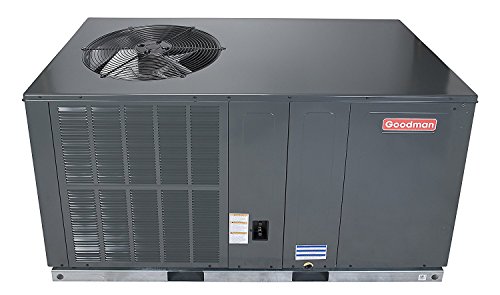
Goodman 3 TON 13.4 SEER2 Horizontal AC Only Packaged Unit (GPCH33631)
Check price on Amazon
ACiQ 3 Ton 60000 BTU AC Gas Package Unit & Horizontal Kit, 13.4 SEER2 | R32 Complete AC/Heating System with Install Kit, All-in-One Air Conditioner and 81% AFUE 60K BTU Natural Gas Packaged Unit
Check price on Amazon
3 Ton AC System w/Cased Evaporator Coil, 13.4 SEER2 – Oxbox by Trane
Check price on Amazon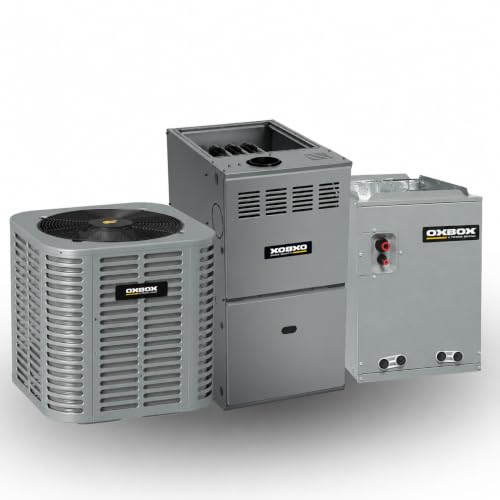
3 Ton AC System 80,000 BTU Gas Furnace 13.4 SEER2 Oxbox by Trane
Check price on Amazon
ACiQ 3 Ton Heat Pump Condenser | 14.3 SEER2 Outdoor Central AC Unit - R32 | Heat Pump HVAC Unit for Ducted Central Air Conditioning Systems, Efficient Single Stage Whole House Air Conditioner Condenser
Check price on Amazon
3 Ton AC System 80,000 BTU Gas Furnace 13.4 SEER2 Oxbox by Trane
Check price on Amazon
Coleman 48203C966 Mach 3+ A/C Unit
Check price on Amazon
ACiQ 3 Ton 17 SEER2 Central Air Conditioner Unit - High Efficiency AC | R454B Inverter Compressor, Ultra Quiet Air Conditioning Condenser, Outdoor Central HVAC Unit for Ducted AC Split Systems
Check price on AmazonReady to Compare 3 Ton Systems?
Explore current options, verify compatibility with your existing setup, and choose the tier that matches your home and climate goals.
View Recommended SystemsFrequently Asked Questions
What size home is a 3 ton AC unit suitable for?
A 3 ton AC unit is generally suitable for homes between 1,400 and 2,000 square feet, depending on climate, insulation quality, window area, and ceiling height. A professional load calculation is always recommended for precise sizing.
What factors influence the investment for a new 3 ton AC installation?
The main factors include the efficiency tier of the equipment, whether ductwork modifications are needed, the complexity of the installation, local labor rates, and whether additional components such as a new thermostat or air handler are included.
How long does a 3 ton AC installation take?
A standard replacement of a 3 ton AC unit typically takes one to two days. If ductwork modifications or electrical panel upgrades are required, the project may extend to three days or more.
Should I choose a higher SEER rating for my 3 ton AC unit?
A higher SEER rating indicates greater energy efficiency, which can reduce long-term energy consumption. The right choice depends on your climate, how long you plan to stay in the home, and local utility incentives. Mid-range to high-end tier units often provide a balanced approach.
Does a 3 ton AC unit require a permit for installation?
In most jurisdictions, installing or replacing a central AC system requires a permit. Your licensed HVAC contractor typically handles the permitting process as part of the installation service.