Covering an AC Unit: Complete Protection Guide
Discover how to properly cover your outdoor air conditioner for winter and off-season storage. Prevent rust, block debris, keep pests out, and extend the working life of your unit with proven, step-by-step methods.
Why Cover an AC Unit?
Your outdoor condenser sits exposed to the elements all year long. While these units are engineered to withstand weather, seasonal protection still matters. Covering an AC unit during the off-season is one of the simplest habits that protects a long-term investment in home comfort.
An unprotected outdoor unit faces several threats during cold months:
- Snow and ice accumulation — heavy snow can bend fan blades, crush the top grille, and stress the refrigerant lines.
- Debris buildup — fallen leaves, twigs, and dirt collect inside the cabinet and clog the condenser fins.
- Pest nesting — mice, insects, and birds often shelter inside the unit's wiring compartment during winter.
- Moisture and rust — standing water in the cabinet accelerates corrosion of coils and electrical contacts.
- Dirt and pollen — spring pollen settles into the fins and reduces heat exchange efficiency the following summer.
Beyond physical protection, covering your unit keeps it cleaner, which means the first cooling cycle of the season starts from a cleaner baseline. That translates into better airflow, less strain on the compressor, and more efficient operation overall. If you are also evaluating long-term system decisions, our guide on covering an outdoor AC unit covers placement and exposure considerations in more depth.
When to Cover and When Not To
Timing matters as much as the cover itself. Putting a cover on too early can trap heat and humidity; leaving it on too late can interfere with the first cooling cycle of spring.
Ideal Timing for Covering
- Cover in late fall — after the last cooling use of the season and once leaves have mostly fallen.
- Remove in early spring — before the first warm days when you plan to run the system.
- Use a breathable cover — so any residual moisture can escape during the covered months.
When You Should Not Cover
- Never while the unit is running — restricted airflow causes overheating and compressor damage.
- Not during active cooling season — even short-term covering on hot days is unsafe.
- Not with an airtight tarp — plastic sheeting traps condensation and promotes rust and mold.
- Not on a unit with active drainage issues — fix drainage first, then cover.
If you are deciding between winter protection options, our article on covering an AC unit in winter explains how snow load, freeze-thaw cycles, and wind exposure affect the choice of cover material.
Types of AC Covers Compared
Not all covers are equal. The material and fit determine whether your unit stays dry, ventilated, and protected. The table below compares the most common options by category, best use case, and trade-offs.
| Cover Category | Best For | Ventilation | Trade-offs |
|---|---|---|---|
| Breathable fabric top cover | Standard residential condenser; snow and leaf protection | Good — woven fabric allows moisture escape | Must be secured against wind; not fully waterproof in driving rain |
| Mesh / screen cover | Debris and pest exclusion in mild climates | Excellent — maximum airflow | Limited snow and ice protection |
| Waterproof laminated cover | Heavy snow regions; extended off-season storage | Moderate — depends on vent panels | Cheaper variants may trap condensation if vents are inadequate |
| Hard-shell / rigid cover | Premium tier protection in severe weather | Design-dependent | Heavier, needs proper anchoring, higher market position |
| Plastic tarp (not recommended) | — | Poor — traps moisture | Promotes rust and mold; can void manufacturer guidance |
A mid-range breathable top cover is the balanced choice for most homes. It shields the top and upper sides from snow and debris while allowing internal humidity to escape. Premium and professional-grade covers add reinforced seams, elastic hems, and strap systems that hold up in high wind.
For units mounted through a wall, the covering approach differs slightly because the indoor and outdoor sections are connected. See our dedicated guide on covering a wall AC unit for the correct sequence and material choices.
Step-by-Step Covering Process
Follow these steps to cover your outdoor unit safely and effectively. The whole process takes less than an hour for a standard residential condenser.
- Switch off the system completely. Turn off the thermostat and flip the dedicated breaker for the outdoor unit. Confirm the fan is not running before you proceed.
- Clean the unit first. Remove leaves, twigs, and debris from the top grille and around the base. Rinse the condenser fins gently with a garden hose if they are dusty.
- Inspect for damage. Check for bent fins, loose panels, cracked refrigerant line insulation, and signs of pest activity. Address problems before covering.
- Disconnect the power at the service panel. For extra safety, pull the outdoor disconnect box handle if your unit has one.
- Choose the right cover size. The cover should fit snugly over the top and upper sides without sagging into the fan opening. Measure the cabinet dimensions before ordering.
- Position the cover evenly. Place it centered over the unit so the weight is balanced and the cover does not slide to one side.
- Secure all straps and ties. Fasten elastic hems, tie-downs, or bungee cords so the cover stays put through wind and snow load.
- Verify ventilation. Confirm that any vent panels or mesh sections are unobstructed. The cover must not seal the cabinet completely.
- Record the installation date. Note when you covered the unit so you remember to remove the cover in spring.
Common Covering Mistakes to Avoid
Many homeowners unintentionally damage their units by covering them incorrectly. Avoid these frequent errors:
- Using an airtight plastic tarp. This is the most damaging mistake. Plastic traps condensation inside the cabinet, accelerating rust on coils and electrical components.
- Covering a running unit. Restricted airflow causes rapid overheating and can destroy the compressor.
- Covering a dirty unit. Trapping debris under a cover for months cements dirt into the fins and invites pests.
- Leaving the cover on into cooling season. Running the system with a cover installed blocks airflow and damages the fan and compressor.
- Ignoring drainage. If water pools around the base, a cover will not fix the underlying grading or drainage problem.
- Using an oversized cover that sags. A loose cover can collapse into the fan opening and bend blades.
- Skipping pest inspection. Covering a unit that already has a rodent nest traps the problem inside.
If you are also protecting other outdoor components, our guide on covering electrical outlets explains weatherproofing methods that pair well with AC winterization.
Pre-Cover Maintenance Checklist
Before you install the cover, complete these maintenance tasks. A clean, inspected unit enters the off-season in the best possible condition.
Before You Cover: Checklist
- Thermostat set to OFF and outdoor breaker switched off
- Leaves, twigs, and debris removed from top grille and base
- Condenser fins rinsed and inspected for bent sections
- Refrigerant line insulation checked for cracks or wear
- Cabinet panels secure and free of rust spots
- No signs of rodent nests, insect activity, or bird nests
- Ground around the unit graded to drain away from the cabinet
- Cover size verified against cabinet dimensions
- Vent panels or mesh sections confirmed unobstructed
- Removal date noted in a maintenance calendar
If your inspection reveals worn components, addressing them before winter avoids emergency repairs in spring. For larger systems, our reference on CRAC unit maintenance principles offers additional insight into precision cooling upkeep, which shares many inspection fundamentals with residential condensers.
Spring Cover Removal
Removing the cover is just as important as installing it. Follow these steps when warm weather returns:
- Wait for consistent warm weather. Remove the cover once the risk of hard freezes and heavy snow has passed.
- Inspect before removing. Check for ice, standing water, or pest activity on and around the cover.
- Remove straps and ties carefully. Unfasten all securing points so the cover lifts off cleanly without snagging fins.
- Clean the unit again. Remove any debris that accumulated on top of the cover and check the cabinet interior.
- Restore power. Flip the breaker back on and set the thermostat to cooling mode for a test run.
- Store the cover properly. Fold and store the cover in a dry place so it is ready for next season.
For wall-mounted units, the removal sequence involves checking the indoor chassis as well. Review our guide on covering an outside AC unit for exterior-specific removal tips and seasonal timing.
Ready to Protect Your AC Unit?
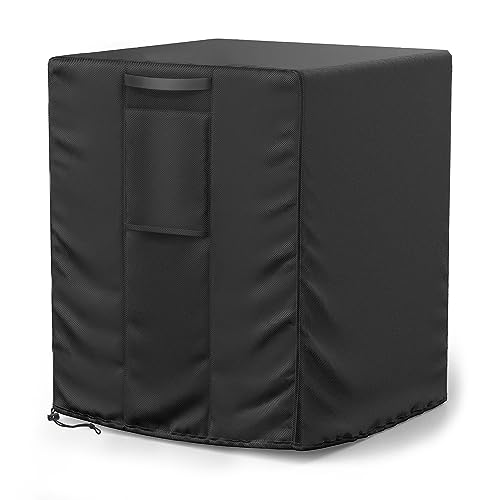
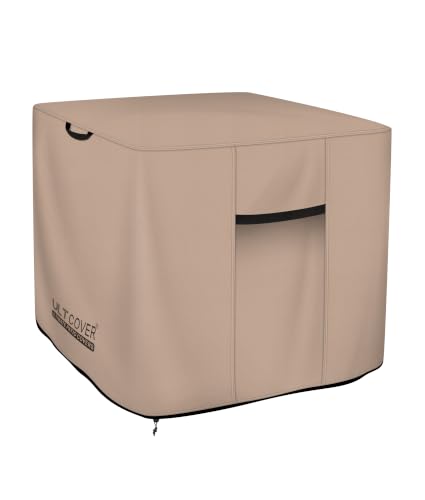
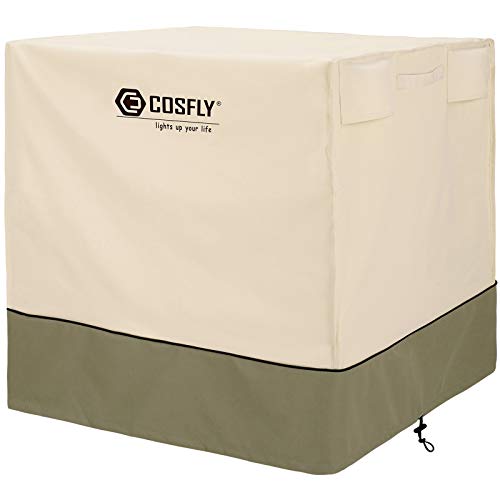
Explore our recommended AC covers and protection accessories below. Each option is selected to match the covering methods described in this guide, from entry-level breathable covers to premium weather-resistant designs.
View Recommended CoversFrequently Asked Questions
Should I cover my AC unit in winter?
Yes, covering your outdoor AC unit during winter helps protect it from snow, ice, debris, and pests. However, the cover must be breathable and allow moisture to escape so that trapped humidity does not cause rust or mold inside the unit.
Can I cover my AC unit while it is running?
Never cover an AC unit while it is running. The unit needs unrestricted airflow to release heat. Covering a running unit will cause it to overheat, damage the compressor, and may create a fire hazard.
What type of cover is best for an AC unit?
A breathable, waterproof cover made from woven fabric or mesh is best. Avoid airtight plastic tarps, which trap condensation and encourage rust. Look for covers with elastic hems or tie-down straps to keep them secure in high wind.
When should I remove the cover from my AC unit?
Remove the cover in early spring, before you plan to run the air conditioner for the first time. Remove it as soon as the threat of freezing temperatures and heavy snow has passed, so the unit is ready for cooling season.
Does covering an AC unit prevent rust?
It helps significantly when the cover is breathable. A breathable cover blocks rain and snow from above while allowing internal moisture to escape. Airtight covers do the opposite and accelerate rust by trapping condensation.
Can I use a tarp instead of an AC cover?
Plastic tarps are not recommended for long-term coverage because they trap moisture and prevent ventilation. If a tarp is the only short-term option, leave the bottom open and remove it as soon as weather permits.
For broader installation and protection topics, you can also explore our guides on covering an AC unit and covering an AC unit in winter.