Different Types of Window Air Conditioners: A Complete Guide
Understand the key differences between standard, mini, slider, casement, and smart window AC units to make an informed decision for your home.
Explore the TypesWhy understanding window AC types matters: Window air conditioners are not one-size-fits-all. The type of window you have, the size of the room, and the features you need all determine which model will perform best. This guide breaks down every major category so you can narrow down your options with confidence before you buy.
What Is a Window Air Conditioner?
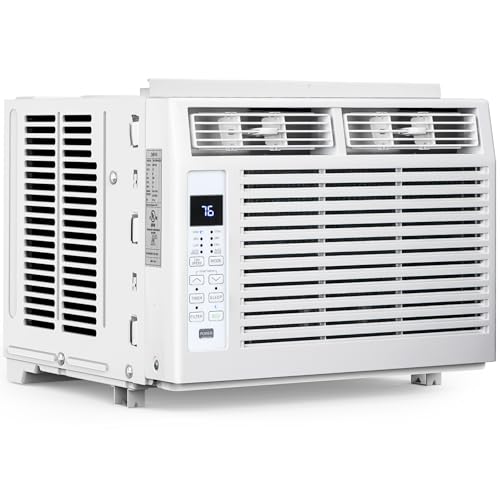
A window air conditioner is a self-contained cooling unit designed to be installed in a window opening. It pulls in indoor air, cools it through a refrigeration cycle, and blows it back into the room while exhausting heat outside. Unlike central systems or ductless mini-splits, window units require no ductwork and can be installed without professional help in most cases. They are a popular choice for single rooms, apartments, and older homes where installing ductwork is impractical.
If you are still exploring broader categories, you may also want to review the different types of air conditioning units available for residential use, or compare window units against different types of portable air conditioners if you need a more flexible setup.
The Main Types of Window Air Conditioners
Window AC units are generally classified by their installation style and window compatibility. Below are the most common types you will encounter when shopping.
Standard Window Air Conditioner
These are the classic double-hung window units that most people picture when they think of a window AC. They are designed to sit in a double-hung window, with the lower sash closing down behind the unit. Standard models are available in a wide range of cooling capacities, from small 5,000 BTU units for bedrooms to 24,000 BTU models for large living spaces. They are typically the most straightforward to install and are widely available in entry-level, mid-range, and premium tiers.
Best for: Double-hung windows, single-room cooling, renters, and homeowners who want a no-fuss installation.
Mini Window Air Conditioner
Mini window ACs are smaller, lighter versions of standard units, often designed for narrow windows or small rooms. They typically range from 5,000 to 8,000 BTU and are easier to lift and install. Many mini units are also available with smart features such as Wi-Fi control and programmable timers. While they may lack some of the advanced features of larger units, they are a solid choice for bedrooms, home offices, and dorm rooms.
Best for: Small rooms, narrow windows, and users who need a lightweight unit that is easy to move seasonally.
Slider Window Air Conditioner
Slider windows open horizontally rather than vertically. A slider window AC is specifically designed for this orientation, with a mounting system that secures the unit in the horizontal opening. These units are common in modern homes and apartments with sliding windows. They function similarly to standard units but require a different installation bracket and often a slightly different form factor.
Best for: Homes with horizontal sliding windows, where a standard double-hung unit will not fit securely.
Casement Window Air Conditioner
Casement windows crank outward and are common in older homes and European-style architecture. A crank-out casement window air conditioner is a specialized unit designed to fit these narrow, vertical openings. Because casement windows are less common in modern construction, these units are less widely available, but they are essential for homeowners who want to avoid replacing their windows. If you already own a portable AC, you might also consider a crank-out window kit for portable air conditioners as an alternative solution.
Best for: Homes with crank-out casement windows, historic properties, and situations where window replacement is not an option.
Smart Window Air Conditioner
Smart window ACs include built-in Wi-Fi connectivity, allowing you to control the unit from your smartphone, set schedules, and integrate with voice assistants like Alexa and Google Assistant. Many smart models also offer energy monitoring, geofencing, and adaptive cooling modes. These units are typically in the premium or high-end tier and are ideal for tech-savvy users who want maximum convenience and energy efficiency. Some advanced models feature dual-inverter technology, which you can learn more about in the guide to dual inverter smart Wi-Fi enabled window air conditioners.
Best for: Users who want remote control, scheduling, and integration with smart home systems.
Through-the-Wall Window Air Conditioner
While technically not a window unit, through-the-wall ACs are often grouped with window air conditioners because they share a similar form factor and installation approach. These units are installed through an exterior wall rather than a window, freeing up window space and providing a more permanent cooling solution. They are common in hotels, apartments, and homes where window installation is not feasible. If you are considering this option, you may want to explore dual inverter through-the-wall air conditioners for improved efficiency.
Best for: Rooms without suitable windows, homeowners who want a permanent installation, and commercial spaces.
Window AC Types at a Glance
The table below summarizes the key characteristics of each window AC type to help you compare them side by side.
| Type | Window Compatibility | Typical Capacity Range | Installation Complexity | Best For |
|---|---|---|---|---|
| Standard Window AC | Double-hung windows | 5,000 – 24,000 BTU | Low to moderate | Most homes and apartments |
| Mini Window AC | Narrow double-hung windows | 5,000 – 8,000 BTU | Low | Small rooms and bedrooms |
| Slider Window AC | Horizontal sliding windows | 8,000 – 12,000 BTU | Moderate | Modern homes with slider windows |
| Casement Window AC | Crank-out casement windows | 5,000 – 10,000 BTU | Moderate to high | Older homes and historic properties |
| Smart Window AC | Double-hung or slider | 8,000 – 24,000 BTU | Low to moderate | Tech-savvy users and smart homes |
| Through-the-Wall AC | Exterior wall opening | 8,000 – 24,000 BTU | High (requires wall modification) | Permanent installations and commercial spaces |
How to Choose the Right Window AC Type
Selecting the right window air conditioner involves more than just picking a type. Consider the following factors to ensure you get a unit that fits your window, cools your space effectively, and meets your feature requirements.
1. Check Your Window Type
The first step is identifying your window style. Double-hung windows accept standard and mini units, while slider windows require slider-specific models. Casement windows need specialized crank-out units. If you are unsure whether a window AC can be installed in a non-standard window, consult the guide on whether a window AC has to be in a window for alternative installation ideas.
2. Measure Your Room
Cooling capacity is measured in BTU (British Thermal Units). As a general rule, aim for about 20 BTU per square foot of living space. A 150-square-foot bedroom typically needs 5,000–6,000 BTU, while a 400-square-foot living room may require 12,000–14,000 BTU. Choosing the right capacity ensures efficient cooling without wasting energy. For a deeper dive, see the guide on how to size an air conditioner.
3. Consider Energy Efficiency
Look for units with a high SEER rating or an ENERGY STAR certification. Inverter-driven compressors, found in many modern window ACs, adjust their speed to maintain the desired temperature more efficiently than traditional on/off compressors. If you want to understand the difference, read about the difference between regular AC and inverter AC.
4. Decide on Features
Modern window ACs come with a range of features, including remote controls, programmable timers, sleep modes, and air purification filters. Smart models add Wi-Fi connectivity and voice control. Determine which features are essential for your lifestyle and choose a unit that balances functionality with your preferred tier.
5. Plan for Installation and Maintenance
Some units are heavier and may require two people or professional installation. Consider whether you need a window mounting bracket, especially for larger units. Regular maintenance, such as cleaning filters and coils, extends the life of your unit. For tips, explore the AC maintenance guide.
6. Explore Alternatives If Needed
If your window situation is unusual, you may want to explore alternatives such as portable ACs with window kits or ductless mini-splits. The guide on different kinds of air conditioning units provides a broader overview of available options.
Frequently Asked Questions
Can I install a standard window AC in a slider window?
No, standard window ACs are designed for double-hung windows that open vertically. Slider windows require a slider-specific unit or a special installation bracket. Attempting to force a standard unit into a slider window can be unsafe and may damage the window or the unit.
What is the difference between a mini and a standard window AC?
Mini window ACs are smaller and lighter, typically designed for narrow windows and small rooms. They generally have lower cooling capacities (5,000–8,000 BTU) and may have fewer advanced features. Standard units cover a wider range of capacities and often include more features such as remote controls and programmable timers.
Are casement window ACs hard to find?
Casement window ACs are less common than standard units because casement windows are less prevalent in modern construction. However, they are available from several manufacturers. If you have casement windows, you may need to search specialty retailers or consider a portable AC with a casement window kit as an alternative.
Do smart window ACs require a hub?
Most smart window ACs connect directly to your home Wi-Fi network and do not require a separate hub. They can be controlled through a smartphone app and often integrate with voice assistants like Alexa and Google Assistant.
How do I know what size window AC I need?
Measure the square footage of your room and use the 20 BTU per square foot rule as a starting point. Also consider factors like ceiling height, sun exposure, and occupancy. For a more precise calculation, use a BTU calculator or consult a sizing guide.
Ready to Choose Your Window AC?
Now that you understand the different types of window air conditioners, you can confidently compare models and select the one that best fits your window, room size, and feature needs. Explore our recommended window AC units below to find the right match for your home.
View Recommended Window AC Units