
Diffusers in HVAC: The Complete Air Distribution Guide
Understand how HVAC diffusers shape airflow, improve comfort, and help your air conditioning system work efficiently in every room
START LEARNINGWhy diffusers matter: A well-designed HVAC system is only as good as the way it delivers air. Diffusers are the final component that turns ducted air into comfortable room airflow. Choosing the right diffuser type and placement can reduce drafts, eliminate hot and cold spots, and help your system run more efficiently year after year.
What Is an HVAC Diffuser?
A diffuser in HVAC is an air distribution device mounted at the end of a supply duct. Its primary job is to spread conditioned air — either cooled or heated — evenly into a room. Unlike a simple open duct end, a diffuser uses vanes, louvers, or deflectors to shape the airflow pattern so that air mixes with room air before it reaches occupants.
Diffusers are typically found on ceilings, walls, or floors, depending on the building design and the type of HVAC system. In residential systems, you will most often see ceiling diffusers in living rooms and bedrooms, and wall or floor diffusers in older homes with perimeter ducting.
Understanding how diffusers work is an important part of understanding different types of air conditioning units and how each system distributes air through a home.
Diffuser vs Grille: What Is the Difference?
People often use the terms "diffuser" and "grille" interchangeably, but they serve different purposes in an HVAC system:
- Diffuser: Designed to distribute supply air into a room. It has directional vanes or deflectors that control throw, spread, and drop of the air stream. Diffusers are used on supply ducts.
- Grille: Typically used for return air or exhaust. A grille usually has fixed or adjustable bars but is not designed to project air deep into a room. Return grilles pull air back into the system.
In short, a diffuser shapes and directs air, while a grille mostly covers an opening and allows air to pass. Using the right component in the right location is essential for balanced airflow and comfort.
Common Types of Diffusers in HVAC
There are several diffuser designs, each suited to different ceiling heights, room layouts, and airflow requirements. Below are the most common types used in residential and light commercial HVAC systems.
| Diffuser Type | Best For | Airflow Pattern | Tier Descriptor |
|---|---|---|---|
| Ceiling Square Diffuser | Standard residential rooms, offices | Multi-directional, horizontal spread | Essential tier |
| Round Ceiling Diffuser | High ceilings, open spaces | 360-degree radial throw | Balanced tier |
| Slot Diffuser | Narrow ceilings, architectural spaces | Linear, long throw | Mid-tier |
| Wall Diffuser | Perimeter heating and cooling | Horizontal along wall or ceiling | Essential tier |
| Floor Diffuser | Older homes, underfloor ducting | Upward throw, mixing with room air | Starter tier |
| Linear Slot Diffuser | Modern interiors, large glass areas | Directional linear curtain of air | High-end tier |
| Adjustable Drum Diffuser | Rooms needing seasonal airflow control | Adjustable horizontal or vertical | Mid-range |
| Perforated Diffuser | Low-noise applications, clean rooms | Gentle, uniform face discharge | Premium |
Each diffuser type has a different throw and spread characteristic. In systems with well-designed ducting HVAC, selecting the right diffuser helps maintain balanced static pressure and prevents noisy airflow.
How Diffusers Affect Comfort and Efficiency
The diffuser is the point where conditioned air meets the occupied space. If the diffuser is undersized or poorly placed, occupants may feel drafts, experience uneven temperatures, or hear whistling noise. If it is oversized, air may drop too quickly and create stratification.
Proper diffuser selection supports:
- Even temperature distribution: Air mixes with room air before reaching occupants, reducing hot and cold spots.
- Draft-free comfort: Correct throw and spread prevent high-velocity air from hitting people directly.
- Quiet operation: Adequate face area and correct neck size reduce air velocity and noise.
- Energy efficiency: Balanced airflow lets the system reach setpoint faster without overworking the blower.
Diffusers also interact with other air distribution components. For example, in systems using dampers in HVAC, the diffuser works together with the damper to fine-tune airflow to each zone. If you are exploring zone control, a dual zone HVAC system relies on properly selected diffusers in each zone to maintain independent comfort.
How to Select the Right Diffuser
Selecting a diffuser is not just about matching the duct size. Several factors determine the best choice for a given space:
1. Airflow Rate (CFM)
Each diffuser has a recommended airflow range. If the CFM is too high for the diffuser, noise and drafts increase. If it is too low, the air may not throw properly and could drop straight down.
2. Throw and Spread
Throw is the distance the air travels from the diffuser before slowing to a comfortable velocity. Spread is how wide the air pattern becomes. High ceilings generally need longer throw, while low ceilings need wider spread to avoid drafts.
3. Ceiling Height and Room Layout
In rooms with standard 8-foot ceilings, a multi-directional ceiling diffuser usually works well. In rooms with high ceilings or large open spaces, round or slot diffusers may provide better coverage.
4. Noise Criteria
Bedrooms and home offices benefit from low-noise diffusers, such as perforated or large-face models. Kitchens and utility areas can tolerate slightly higher noise levels.
5. Finish and Aesthetics
Diffusers are visible components. Powder-coated steel, aluminum, and plastic finishes are available. For modern interiors, linear slot diffusers often blend better with clean ceiling lines.
Tip: Always match the diffuser neck size to the duct branch size. A mismatched connection can cause turbulence, noise, and reduced airflow performance.
Diffuser Placement Best Practices
Placement is just as important as diffuser type. A good layout considers room geometry, furniture placement, and the location of windows and doors.
- Ceiling diffusers: Place near the center of the room or slightly toward the exterior wall to counteract window heat gain. Avoid placing directly above seating areas where occupants may feel a draft.
- Wall diffusers: Mount high on the wall and direct air along the ceiling for a Coanda effect, which helps air travel farther before dropping.
- Floor diffusers: Position near exterior walls under windows to create a curtain of air that offsets cold drafts in winter and heat gain in summer.
- Return grilles: Place return grilles on the opposite side of the room from supply diffusers to encourage full-room air circulation.
In homes with ducted air conditioning, diffuser placement should be coordinated with duct design to avoid short-circuiting air from supply to return without mixing.
How Diffusers Fit Into Ducted and Ductless Systems
Diffusers are most commonly associated with ducted systems. In a ducted vs ductless AC comparison, the ducted system relies on a network of ducts and diffusers to deliver air to each room, while ductless systems use wall-mounted indoor units with built-in louvers.
For homeowners considering a ducted mini split system, diffusers are used in the same way as in a traditional central system. The ducted mini split hides ductwork above the ceiling or in a soffit and uses small diffusers to deliver conditioned air quietly.
In older homes with ductless air conditioning for older homes, diffusers may not be part of the original design. Retrofit solutions may use small ceiling diffusers connected to a compact duct system, or rely on wall-mounted units.
Diffuser Maintenance Tips
Diffusers are passive components, but they still need regular attention to keep airflow clean and unrestricted.
- Dust the face: Wipe down the diffuser face and vanes every few weeks with a damp cloth to prevent dust buildup.
- Remove and wash removable cores: Many ceiling diffusers have removable cores that can be washed in warm soapy water. Let them dry fully before reinstalling.
- Check for obstructions: Ensure furniture, curtains, or decor are not blocking diffuser discharge.
- Inspect for condensation: In humid climates, diffusers may sweat if the supply air is very cold. Check insulation and consider adjusting airflow.
- Look for black streaks: Dark streaks around diffusers can indicate dust or poor filtration. Inspect the filter and duct cleanliness.
Regular diffuser cleaning complements broader duct cleaning practices and helps maintain indoor air quality throughout the home.
Common Diffuser Problems and Fixes
Whistling or Noise
Usually caused by excessive air velocity through an undersized diffuser. Increase diffuser size or reduce airflow via the damper.
Drafts
Often from too high a throw or diffuser placed too close to occupants. Adjust vanes, use a wider spread pattern, or relocate the diffuser.
Uneven Cooling
May indicate poor diffuser placement or an unbalanced system. Check airflow to each diffuser and adjust dampers accordingly.
Condensation on Diffuser
Occurs when cold supply air meets warm humid room air. Improve duct insulation and verify that airflow is adequate.
Diffusers in Specialized HVAC Applications
Diffusers are not limited to residential rooms. They also play a role in specialized environments:
- Data centers: In data center air conditioning, perforated floor tiles and directional diffusers deliver cold air to server racks with precise control.
- Dedicated outdoor air systems: A dedicated outdoor air system uses diffusers to distribute tempered outdoor air for ventilation.
- Dual-zone systems: In a dual zone mini split heat pump and air conditioner, each zone has its own diffusers to maintain independent temperature control.
What to Look For When Choosing Diffusers
When selecting diffusers for a new installation or replacement project, consider the following:
- Material: Aluminum and steel are durable and suitable for most residential applications. Plastic diffusers are an entry-level option for light-duty use.
- Adjustability: Adjustable vanes allow seasonal tuning — for example, directing air toward the ceiling in summer for cooling and along the floor in winter for heating.
- Finish: Powder-coated white is the most common finish and blends with standard ceilings. Custom colors are available for design-focused spaces.
- Accessories: Some diffusers include opposed-blade dampers, volume dampers, or insect screens to improve control and cleanliness.
- Certification: Look for products tested to recognized air distribution standards for verified performance data.
For whole-home projects, coordinate diffuser selection with the overall different types of air conditioning for homes you are considering. The diffuser layout should match the system's airflow and zoning strategy.
Frequently Asked Questions About Diffusers in HVAC
What is a diffuser in HVAC?
A diffuser is an air distribution device that spreads conditioned air evenly throughout a room. It is typically mounted on ceilings, walls, or floors and is designed to mix supply air with room air for consistent comfort.
What is the difference between a diffuser and a grille?
A diffuser is designed to distribute and mix supply air into a space, while a grille is generally used for return air or exhaust and does not direct airflow in the same way. Diffusers have vanes or deflectors that shape the air pattern.
Where should HVAC diffusers be placed?
Diffusers are usually placed on ceilings near the center of a room or along the perimeter near windows. Placement depends on ceiling height, room layout, and the type of diffuser used to avoid drafts and ensure even air distribution.
How often should diffusers be cleaned?
Diffusers should be inspected monthly and cleaned at least every three to six months, or more often in dusty environments. Regular cleaning prevents dust buildup that can restrict airflow and reduce indoor air quality.
Can I replace my diffusers myself?
Many residential diffusers are screwed or clipped into place and can be replaced with basic tools. However, if the replacement involves changing duct size or balancing airflow, it is best to consult an HVAC professional to ensure the system remains balanced.
Final Thoughts
Diffusers in HVAC are small components with a big impact on comfort and efficiency. They shape how conditioned air enters a room, influence perceived temperature, and affect how hard the system works to maintain setpoint. By choosing the right diffuser type, placing it correctly, and keeping it clean, homeowners can enjoy more consistent temperatures, quieter operation, and better overall performance from their air conditioning system.
Whether you are designing a new ducted mini split system, upgrading a dual zone HVAC system, or simply replacing old diffusers, the principles in this guide will help you make informed decisions that support long-term comfort and energy efficiency.
Recommended HVAC Diffusers and Air Distribution Products
⚠️ AFFILIATE DISCLOSURE: This website contains affiliate links. As an Amazon Associate, we earn from qualifying purchases. If you make a purchase through these links, we may receive a small commission at no additional cost to you. Read our full affiliate policy.

AROMADD 3500 Sq Ft Smart Scent Diffuser - HVAC System | Whole House Aroma & Hotel Collection Diffuser, Waterless Diffuser for Home Large Room, Cold Air Tech, 600mL
Check price on Amazon
FYNTRA 2026 Upgrade 4,800 Sq.Ft Essential Oil Diffuser - HVAC System, Snow
Check price on Amazon
2026 Upgraded 6000 Sq.Ft HVAC Scent Diffuser, 1000ML, Tuya App WiFi Control | Waterless oil Cold Air Diffuser, Hvac Diffuser Scent System, Whole House Diffuser for Home, Hotel, Office, Spa and Large Room
Check price on Amazon
AROMADD U4 HVAC Scent Diffuser for Home, 3000 Sq Ft Scent Air Machine | Waterless Essential Oil Diffuser for Whole House | Hotel Collection Diffuser, Cold Air Tech, App Control & Smart Display
Check price on Amazon
2026 Upgraded HVAC Scent Diffuser Machine Covers 5000 Sq.Ft for Large Room | Wi-Fi Control,Built-in Fan,Scent Air Machine for Home,Waterless Cold Air Aromatherapy Essential Oil Diffuser for Hotel,Office
Check price on Amazon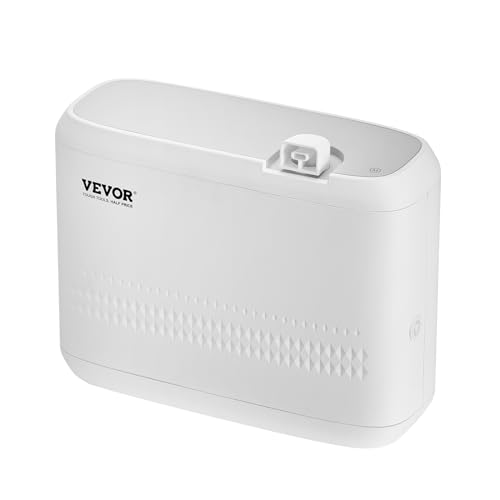
VEVOR Upgrade HVAC Scent Diffuser for Whole House, 850ml Bluetooth Smart Essential Oil Diffuser with Cold Air Tech, Waterless Scent Air Diffuser, Cover Up to 4500 Sq.Ft for Large Room, Hotel, Office
Check price on Amazon
3500 Sq.Ft, Waterless Scent Diffuser,HVAC System, Smart APP, 2×100ML Oils | Whole House Aroma & 300ML Smart Hotel Collection Diffuser App Control Cold Air Scent Diffuser for Home Hotel Spa Office
Check price on Amazon