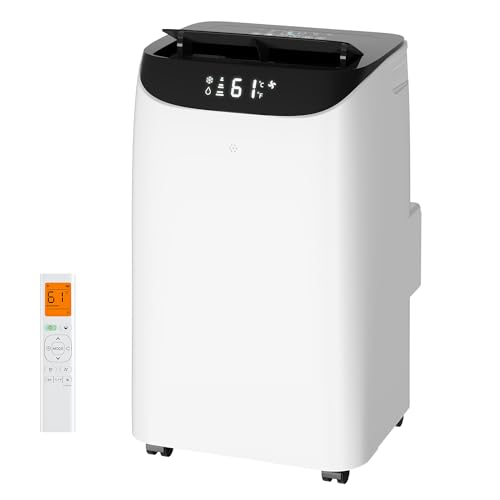
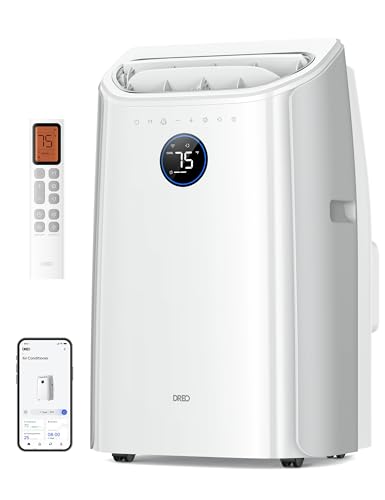
Dual Hose Portable Air Conditioner Inverter: The Complete Buyer's Guide
Understand how dual hose inverter portable ACs work, why they outperform single hose models, how to size them correctly, and which tier fits your room and lifestyle best.
Start LearningWhy this guide matters: A dual hose portable AC with inverter technology combines two of the most impactful upgrades in portable cooling — balanced air pressure from dual hoses and variable-speed efficiency from an inverter compressor. This guide explains the technology in plain language so you can decide confidently before you buy.
What Is a Dual Hose Portable Air Conditioner Inverter?
A dual hose portable air conditioner inverter is a floor-standing cooling unit that uses two separate air ducts — one to draw in outdoor air for cooling the condenser and one to exhaust hot air back outside — combined with an inverter-driven compressor that varies its speed instead of simply switching on and off.
These two design choices solve the two biggest complaints about conventional portable ACs. Single hose units create negative pressure inside the room because they pull conditioned indoor air out through the exhaust. That negative pressure causes warm outdoor air to leak back in through gaps around doors and windows. Meanwhile, non-inverter compressors cycle on and off at full power, which produces wider temperature swings and higher energy use.
By pairing dual hoses with inverter technology, these units maintain more balanced room pressure, deliver steadier temperatures, and run more efficiently over long cooling sessions. If you are exploring the broader category first, our guide to different types of portable air conditioners explains where this design fits among window, evaporative, and single hose options.
Dual hose inverter portable ACs are especially appealing for renters, home offices, bedrooms, and spaces without ductwork. They do not require permanent installation and can be moved between rooms, though their weight and the need for a window kit mean they are semi-portable rather than truly hand-carried.
How Dual Hose Inverter Technology Works
The Dual Hose Airflow Path
A dual hose system separates two air streams. The intake hose pulls outdoor air across the condenser coil to absorb heat. The exhaust hose then pushes that warmed air back outside. Because the condenser is cooled by outdoor air rather than indoor air, the unit does not depressurize the room and does not waste already-cooled indoor air.
The evaporator side still draws in room air, cools it, and blows it back into the space. The two circuits are sealed from each other, which keeps cooling performance consistent even on hot days.
The Inverter Compressor
An inverter compressor converts incoming AC power to DC and then modulates the motor speed electronically. Instead of running at 100 percent until the thermostat is satisfied and then shutting off completely, it slows down to match the actual cooling load. This produces three practical effects:
- Steadier temperatures — the compressor adjusts gradually rather than cycling abruptly.
- Lower start-up current — soft starts reduce stress on wiring and breakers.
- Better part-load efficiency — most of the time a room needs partial cooling, which is exactly where inverter modulation excels.
Condensate Management
Many dual hose inverter models use self-evaporative technology, where condensate is recycled to cool the condenser and then evaporated in the exhaust stream. In humid climates, a drain hose may still be needed during extended use. Our article on dual hose self-evaporating portable air conditioners covers this in more detail.
Key Benefits of Dual Hose Inverter Portable ACs
- Balanced room pressure. Dual hoses avoid the negative-pressure problem that pulls hot outdoor air into the room through cracks and gaps.
- More consistent comfort. Inverter modulation smooths out temperature swings compared with on/off compressors.
- Efficient long-run operation. The longer the cooling session, the more the inverter's part-load advantage compounds.
- Quieter low-speed operation. When the compressor slows down, fan and compressor noise drop noticeably, which matters in bedrooms and home offices.
- No permanent installation. A window kit and a nearby outlet are usually all that is required, making these units practical for renters.
- Works alongside other cooling. These units can supplement a central system in a hot room, an attic office, or a garage conversion.
Single Hose vs Dual Hose: What Changes
The table below summarizes the practical differences that matter most during real-world use.
| Factor | Single Hose | Dual Hose |
|---|---|---|
| Room pressure | Creates negative pressure; outdoor air leaks in | Balanced pressure; less infiltration |
| Cooling consistency | Can feel uneven in hot weather | More stable cooling performance |
| Setup complexity | One window opening needed | Two hose connections; slightly larger window kit |
| Portability | Lighter and easier to move | Heavier; semi-portable |
| Best for | Small rooms, occasional use | Larger rooms, longer cooling sessions |
If you are still comparing form factors, our overview of dual hose portable air conditioner dehumidifier models explains how cooling and moisture removal work together in humid climates.
Inverter vs Non-Inverter Compressors
A non-inverter compressor runs at a fixed speed and cycles on and off to hold the set temperature. An inverter compressor varies its speed continuously. The practical outcome is easy to feel: inverter units tend to hold a steadier temperature, run quieter during partial load, and avoid the sharp current spikes associated with hard starts.
For portable ACs specifically, inverter technology pairs well with dual hose airflow because both improvements target the same goal — stable, efficient cooling without fighting the room's air balance. If you are comparing the two technologies across product categories, see our broader discussion on inverter vs non-inverter air conditioners.
One consideration: inverter portable ACs are generally positioned in mid-range and premium tiers. For very short, occasional cooling sessions, the efficiency advantage is smaller. For daily multi-hour use in a bedroom or office, the inverter benefit compounds meaningfully over time.
Sizing and BTU Guidance
Portable AC capacity is expressed in BTU per hour. A rough starting point for a standard room is 20 BTU per square foot, then adjust for sun exposure, ceiling height, occupancy, and appliance heat. The table below offers starting ranges, not rigid rules.
| Room Size | Suggested Cooling Capacity | Typical Use Case |
|---|---|---|
| Up to 150 sq ft | 5,000 – 6,000 BTU | Small bedroom, study nook |
| 150 – 250 sq ft | 8,000 – 10,000 BTU | Standard bedroom, home office |
| 250 – 400 sq ft | 12,000 – 14,000 BTU | Living room, studio apartment |
| 400 – 550 sq ft | 14,000 – 18,000 BTU | Open-plan living area |
Oversizing a portable AC is a common mistake. A unit that is too large will cool the air quickly and cycle frequently, which reduces moisture removal and can leave the room feeling clammy. Undersizing causes the unit to run continuously without reaching the set point. For detailed room-by-room math, see our guide on how to size an air conditioner.
Also check the electrical requirement before buying. Most portable units in the 8,000–14,000 BTU range run on a standard 110V household circuit, but larger units may require a dedicated outlet. Our article on 110V vs 240V air conditioners explains what to verify on your panel.
Product Tiers Explained
To help you compare without referencing currency, we use a consistent tier system based on market positioning, build quality, and feature depth.
Essential Tier
These dual hose models typically cover the fundamentals: basic inverter modulation, a standard window kit, and simple digital controls. They suit buyers who need dependable single-room cooling and do not require smart features. Build quality is solid but uses standard materials.
Balanced Tier
The balanced tier is where most buyers land. Expect smoother inverter operation, quieter low-speed performance, better condensate management, and improved filtration. Many models in this tier include remote controls with scheduling and more durable hose connectors.
High-End Tier
Premium dual hose inverter units add Wi-Fi control, app-based scheduling, refined airflow design, and premium materials in the housing and hose assembly. These are well-specified for buyers who want app integration and the quietest possible operation in a bedroom or media room.
Top-Tier
Flagship models combine the highest inverter efficiency, advanced humidity control, robust filtration, and polished build quality. They are a long-term investment for users who run cooling for many hours per day and want the best combination of comfort stability and quiet operation.
If you also need heating in shoulder seasons, compare models that include a heat pump function by reviewing our guide to dual hose portable air conditioners with a heater. For units that combine two inverter-driven components for even finer modulation, see dual inverter portable air conditioners.
Features That Actually Matter
Airflow and Fan Modes
Multiple fan speeds and a dedicated dehumidify mode extend usefulness beyond peak summer. A fan-only mode lets you circulate air without running the compressor.
Window Kit Compatibility
Dual hose units need a window kit that accommodates two hose ports. Casement and crank-out windows often require specialized kits. If your window is a crank-out style, review our articles on crank-out window portable air conditioners and crank-out window kits before buying.
Noise Levels
Inverter compressors are quieter at partial load, but fan noise still matters. Look for decibel ratings and prioritize models with a dedicated quiet mode if the unit will run overnight. Our guide to quiet air conditioners covers noise expectations across categories.
Smart Controls
Wi-Fi and app control are useful for scheduling and for turning the unit on before you arrive home. If smart features are a priority, check models with Wi-Fi and smart control.
Filtration
Washable pre-filters are standard. Some premium units add carbon or HEPA-stage filtration. If air quality is a concern, our overview of AC units with air purifiers may help you compare approaches.
Installation and Window Kit Setup
Installation is straightforward but not identical to single hose units. The key steps are:
- Choose the window. The window must be tall enough for the dual hose panel. Measure the opening before purchasing.
- Assemble the window panel. Most kits include an adjustable slider panel. Seal the edges with the included foam insulation.
- Connect both hoses. Attach the intake and exhaust hoses to the correct ports on the unit and the panel. Avoid sharp bends or long, kinked runs.
- Position the unit. Keep at least 12–20 inches of clearance around the unit for airflow. Place it near the window to keep hose runs short.
- Drain consideration. In humid conditions, connect the drain hose to the lower drain port.
If your setup is unusual, our article on the easiest portable air conditioner to install compares kit designs. For homes without ductwork at all, it may be worth comparing a permanent ductless air conditioning solution for older homes against the portable approach.
Maintenance Tips for Long-Term Performance
- Clean the pre-filter every two weeks during heavy use. A clogged filter forces the compressor to work harder and reduces airflow.
- Empty or drain condensate regularly. Even self-evaporative units may need draining in high humidity.
- Inspect the hoses seasonally. Check for cracks, kinks, or loose connections that reduce efficiency.
- Clean the condenser intake. Dust on the outdoor-air intake reduces heat rejection.
- Store properly in the off-season. Drain fully, clean the filter, and cover the unit to prevent dust buildup.
For a broader seasonal routine, see our seasonal AC checklist and how to clean an AC filter.
Common Issues and Quick Checks
The Unit Runs but Does Not Cool Well
Check that both hoses are connected and not kinked, the window panel is sealed, and the filter is clean. In very hot weather, a single hose unit in the same room would struggle more, but a dual hose unit still needs proper airflow.
Water Leaking From the Unit
In high humidity, the internal tank may fill faster than evaporation can handle. Connect the continuous drain hose. Our article on excessive water dripping from an AC drain pipe covers related drainage issues.
The Unit Is Louder Than Expected
Inverter units are quietest at low load. If the compressor is running at high speed continuously, the room may be undersized for the unit, or the filter may be blocked.
The Unit Trips the Breaker
Verify the circuit rating and avoid sharing the outlet with high-draw appliances. Our guide on amps and breaker size for AC units explains the math.
For broader diagnostic help, see our guides on AC not cooling and AC making noise.
Frequently Asked Questions
Is a dual hose portable AC with inverter worth it compared with a single hose unit?
For rooms where you plan to run cooling for several hours a day, yes. The dual hose design avoids negative pressure and the inverter compressor delivers steadier temperatures. For very short, occasional use, a single hose unit may be sufficient.
Do dual hose portable ACs need two window openings?
No. Most kits use a single adjustable window panel with two hose ports. The panel fits into one window opening.
Can I use a dual hose inverter portable AC in a room without a window?
No. The exhaust must vent outdoors. Alternatives for windowless rooms include through-the-wall units or ductless mini-splits, though both require permanent modifications.
How often should I drain the unit?
In moderate humidity, self-evaporative models may rarely need draining. In high humidity, check the tank every few days or connect a continuous drain hose.
Does inverter technology make a portable AC significantly quieter?
At partial load, yes. The compressor slows rather than cycling at full speed, which reduces noise. However, fan noise remains, so check decibel ratings and quiet-mode features if overnight use is planned.
Can a dual hose inverter portable AC replace central air?
It can cool a single room effectively, but it is not a whole-home replacement. For whole-home needs, compare central air conditioning and ductless mini-split systems.
Final Thoughts
A dual hose portable air conditioner inverter is a meaningful upgrade over conventional portable ACs for buyers who value stable temperatures, balanced room pressure, and efficient long-run operation. The technology is most valuable in bedrooms, home offices, and living spaces where the unit will run for hours at a time.
Before deciding, confirm three things: your room's square footage, the window type for the hose kit, and the electrical circuit available. Once those are settled, choose the tier that matches your feature priorities — essential, balanced, high-end, or top-tier — and you will have a cooling setup that performs predictably for years.