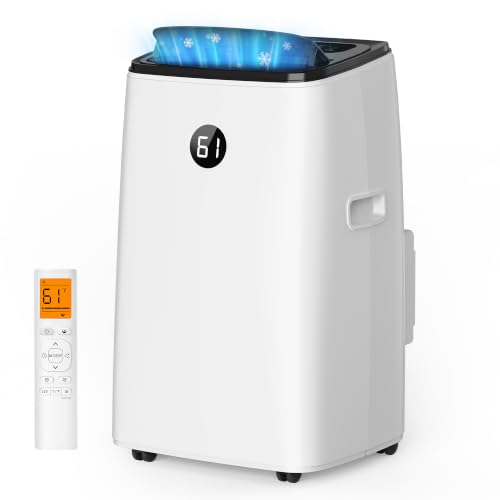
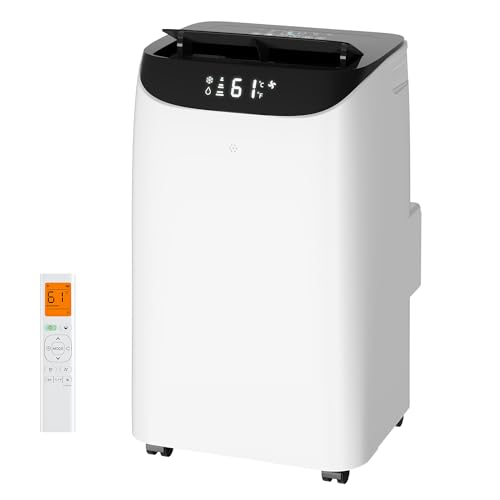
Dual Hose Self Evaporating Portable Air Conditioner Guide
Everything you need to know about dual hose self evaporating portable ACs: how they work, why they cool faster than single hose models, and how to choose the right unit for your room before you buy.
EXPLORE RECOMMENDED MODELSWhat This Guide Covers
If you have been researching portable cooling, you have probably noticed that many units claim to be "self evaporating" while others advertise a dual hose design. A dual hose self evaporating portable air conditioner combines both features into a single appliance: it uses two separate air paths for intake and exhaust, and it recycles its own condensation to help cool the condenser coils. The result is a portable AC that cools more consistently, creates less negative pressure in the room, and rarely needs manual draining.
This guide is written for buyers who already know they want a portable air conditioner but need clarity on whether the dual hose self evaporating design is the right fit. We will explain the mechanics, compare it with single hose alternatives, walk through BTU sizing, and highlight the features that separate an entry-level model from a premium unit.
What Is a Dual Hose Self Evaporating Portable AC?
A dual hose self evaporating portable air conditioner is a freestanding cooling unit with two hose connections to the outside: one hose draws outdoor air in to cool the condenser, and the second hose expels hot exhaust air. The "self evaporating" part refers to the condensate management system. Instead of collecting water in a tank that you must empty, the unit routes condensation onto the hot condenser coils, where it evaporates and is exhausted outdoors along with the warm air.
This combination matters because the two features solve different problems. The dual hose design solves the efficiency problem of single hose units, which pull conditioned indoor air out of the room to cool the condenser. The self evaporating design solves the maintenance problem of manual draining, which is a common annoyance in humid climates. Together, they produce a portable AC that is easier to live with and more effective at maintaining a comfortable room temperature.
If you want to compare this design with other portable configurations, our guide to different types of portable air conditioners breaks down the full category. You can also read about fully self evaporating portable air conditioners if condensate handling is your primary concern.
How Dual Hose Self Evaporation Works
Understanding the airflow path helps you appreciate why this design performs differently from a single hose unit. Here is the sequence inside a typical dual hose self evaporating portable AC:
- Intake hose: Outdoor air is drawn through the first hose and passed over the condenser coils to absorb heat.
- Evaporator coil: Indoor air is pulled through the front grille, filtered, and cooled as it passes over the evaporator coil.
- Condensate capture: Moisture from the indoor air condenses on the evaporator coil and drips into a collection channel.
- Water re-use: Instead of filling a tank, the collected water is directed onto the hot condenser coil, where it evaporates.
- Exhaust hose: The second hose expels the heated outdoor air and evaporated moisture back outside.
- Cooled air delivery: The cooled, dehumidified indoor air is blown back into the room through the front vent.
Because the condenser is cooled by outdoor air rather than indoor air, the unit does not depressurize the room. That means less warm outdoor air is pulled in through gaps around doors and windows, which is the main reason dual hose units cool faster and hold temperature more steadily. For a deeper comparison of related designs, see our page on the dual hose portable air conditioner dehumidifier and the dual hose portable air conditioner inverter variants.
Key Benefits Over Single Hose Units
The dual hose self evaporating design offers several practical advantages. The table below summarizes the differences that matter most during everyday use.
| Feature | Single Hose Portable AC | Dual Hose Self Evaporating Portable AC |
|---|---|---|
| Air pressure in room | Creates negative pressure; pulls in warm outdoor air | Balanced pressure; less infiltration of warm air |
| Cooling speed | Slower in hot rooms | Faster and more consistent |
| Condensate handling | Often requires manual draining | Re-evaporates water; draining rarely needed |
| Energy efficiency | Lower, because cooled air is used to cool the condenser | Higher, because outdoor air cools the condenser |
| Installation complexity | One hose and window plate | Two hoses and a wider window plate |
| Best for | Small rooms with mild humidity | Larger rooms, humid climates, continuous use |
Another benefit is comfort during long cooling sessions. Because the unit is not constantly pulling humid outdoor air into the room, the indoor humidity level stays lower, which makes the same temperature feel cooler. This is especially noticeable in bedrooms and home offices where you run the AC for several hours at a time. If you need heating as well, our guide to the dual hose portable air conditioner with heater covers combination units.
How to Size Your Portable AC (BTU Guide)
Sizing is the single most important decision when buying a portable AC. An undersized unit runs constantly and never reaches the set temperature, while an oversized unit cools too quickly and cycles on and off, which wastes energy and removes less humidity. The standard rule of thumb is 20 BTU per square foot of floor area, adjusted for ceiling height, sun exposure, and occupancy.
| Room Size | Recommended BTU | Typical Use Case | Market Tier |
|---|---|---|---|
| Up to 250 sq ft | 8,000 – 10,000 BTU | Bedroom, small office | Entry-level |
| 250 – 400 sq ft | 10,000 – 12,000 BTU | Living room, studio | Mid-range |
| 400 – 550 sq ft | 12,000 – 14,000 BTU | Open-plan living area | Mid-range to premium |
| 550 – 700 sq ft | 14,000 – 16,000 BTU | Large living room, loft | Premium |
Adjust upward by roughly 10 percent if the room has a ceiling higher than 8 feet, if it receives direct afternoon sun, or if it regularly holds more than two people. Kitchens require additional capacity because cooking appliances add heat. If you are also considering a ducted solution for a larger space, our guide to ducted air conditioning and the comparison of ducted versus ductless systems may help you weigh the alternatives.
How to Choose the Right Dual Hose Self Evaporating Model
Once you know your BTU target, evaluate models on the features that affect long-term satisfaction. The checklist below reflects what separates a solid mid-tier unit from a high-end tier one.
- Cooling capacity and coverage: Match BTU to your room size using the table above, and check the manufacturer's stated square-foot coverage as a secondary reference.
- Efficiency rating: Look for a competitive CEER or combined energy efficiency ratio within the category. Higher efficiency means quieter operation and lower electricity use over time.
- Noise level: Premium models typically operate around 50–55 dB on low speed. If the unit is for a bedroom, prioritize a model with a sleep mode and a low-speed fan setting.
- Fan speeds and modes: At minimum you want cool, fan-only, and dehumidify modes. Higher-tier models add auto mode, sleep mode, and a programmable timer.
- Condensate management: Confirm the unit is genuinely self evaporating and check whether it has a backup drain port for very humid periods.
- Smart controls: Wi-Fi and app control are increasingly common in premium tiers, along with compatibility with voice assistants.
- Window kit compatibility: Verify the included window kit fits your window type. Casement and crank-out windows may need a specialized kit, as explained in our guide to the crank out window kit for portable air conditioner.
- Build quality: Durable construction, a reinforced hose, and a rust-proof finish on the condenser are signs of a unit designed for continuous seasonal use.
If you are comparing configurations, the dual inverter portable air conditioner adds variable-speed compression for smoother temperature control, while the standard dual hose design remains a solid, well-specified choice for most households.
Installation and Window Kit Tips
Installation is straightforward but the details matter for performance. A poorly sealed window plate lets hot outdoor air back into the room, which undermines the efficiency advantage of the dual hose design.
- Choose the right window: A double-hung or sliding window works best. The window plate should sit flush and the window sash should close against it to hold it in place.
- Seal the gaps: Use the included foam insulation and weather stripping around the window plate. Even small gaps allow warm air infiltration.
- Keep hoses short and straight: Avoid kinks and unnecessary bends. A shorter, straighter exhaust path improves airflow and cooling performance.
- Position the unit correctly: Place the AC near the window, keep at least 12–18 inches of clearance around the intake and exhaust, and avoid direct sunlight on the unit.
- Check the drain path: Even self evaporating units benefit from being placed on a level surface so condensate flows correctly to the condenser coil.
Renters and homeowners who want a low-effort setup can also review our guide to the easiest portable air conditioner to install. If you have a casement window, the crank out window portable air conditioner setup guide covers the adapters you will need.
Maintenance for Long-Term Performance
A dual hose self evaporating portable AC has fewer maintenance tasks than a single hose model, but the tasks it does have are important. Follow this routine to keep the unit efficient across seasons.
- Clean the air filter every two weeks: Rinse the washable filter with lukewarm water and let it dry fully before reinstalling. A clogged filter reduces airflow and cooling capacity.
- Inspect the hoses seasonally: Check for cracks, kinks, or loose connections. Replace damaged hoses to maintain the pressure balance that makes the dual hose design effective.
- Clean the condenser coil annually: Dust and debris on the outdoor-facing coil reduce heat transfer. Use a soft brush or vacuum with a brush attachment.
- Check the drain port during humid months: Even self evaporating units can accumulate water in extreme humidity. Drain through the backup port if you notice water pooling.
- Store properly in the off-season: Drain any residual water, clean the filter, coil the hoses loosely, and cover the unit to keep dust out of the vents.
For a broader seasonal checklist, see our general AC maintenance resources. If you are comparing portable cooling with an evaporative approach, our guide to the evaporative air cooler portable air conditioner explains when evaporative cooling is a better fit than refrigerant-based cooling.
Frequently Asked Questions
What is a dual hose self evaporating portable air conditioner?
It is a portable cooling unit with two hoses: one draws outdoor air to cool the condenser, and one exhausts hot air outside. The self evaporating system recycles condensation onto the condenser coil so the unit rarely needs manual draining.
Is a dual hose portable AC better than a single hose unit?
Yes, in most cases. Dual hose units do not pull conditioned indoor air out of the room to cool the condenser, so they create less negative pressure, cool faster, and maintain temperature more consistently. The trade-off is a slightly more involved installation with two hoses.
Do self evaporating portable ACs need to be drained?
Self evaporating models are designed to re-use condensation, so manual draining is rarely required. In very humid climates, however, you may still need to drain excess water through the backup port during prolonged use.
How many BTU do I need for a portable AC?
Use 20 BTU per square foot as a baseline. A 10,000 BTU unit suits rooms up to about 450 square feet, while a 14,000 BTU unit handles up to around 700 square feet. Adjust upward for high ceilings, direct sun, and heavy occupancy.
Can a dual hose portable AC be used in a room without a window?
No. Both hoses must vent outdoors, so you need a window, a sliding door, or a wall vent kit. The window kit must be sealed properly to maintain efficiency and prevent warm air from entering.
How often should I clean the filter on a portable AC?
Clean the washable filter every two weeks during heavy use, and at least once a month during lighter use. A clean filter maintains airflow, cooling capacity, and energy efficiency.