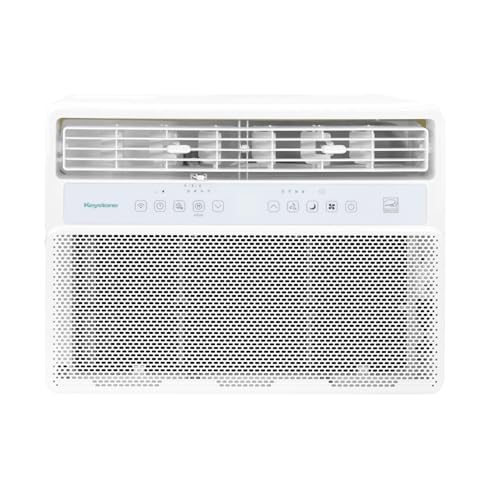
ENERGY STAR Rated Air Conditioners: The Complete Efficient Cooling Guide
Understand what ENERGY STAR certification means for air conditioners, how to compare efficiency tiers, which AC types qualify, and how to choose a system that keeps your home comfortable while using energy responsibly.
Jump to Buying ChecklistWhat ENERGY STAR Means for Air Conditioners
ENERGY STAR is a voluntary certification program administered by the U.S. Environmental Protection Agency (EPA). When an air conditioner carries the ENERGY STAR label, it means the unit has been independently verified to meet efficiency criteria that are stricter than the federal minimum standards. For consumers, the label is a reliable shortcut: it signals that the equipment performs in the upper range of its category for energy efficiency.
Certification is not a one-time stamp. The EPA periodically updates the criteria as technology improves and as federal standards evolve. This means that an ENERGY STAR rated air conditioner purchased today reflects current expectations for efficient performance, not benchmarks from a decade ago. The program covers central air conditioners, ductless mini-splits, window units, portable units, and through-the-wall models, each with its own efficiency requirements.
It is important to understand that ENERGY STAR does not guarantee a specific savings figure for your home. Actual energy use depends on climate, insulation, duct condition, thermostat habits, and system sizing. What the label does guarantee is that the equipment itself meets a higher efficiency bar than baseline models in the same category. To explore broader options, see our ENERGY STAR air conditioner units overview.
Why Efficiency Certification Matters
Air conditioning is one of the largest contributors to household electricity use in many regions, especially during peak summer months. A system that operates more efficiently uses less electricity to deliver the same cooling output. Over a full cooling season, that difference compounds into meaningful reductions in energy consumption — and a lighter load on the power grid during peak demand.
Efficiency also affects comfort quality. Certified systems often include features such as variable-speed compressors, improved coil designs, and smarter control boards that maintain steadier indoor temperatures and manage humidity more effectively. These features are not just about energy; they directly influence how comfortable a room feels on a hot afternoon.
Beyond the household level, choosing an ENERGY STAR rated unit supports broader environmental goals. More efficient equipment reduces the emissions associated with electricity generation. For homeowners planning a long-term investment, a certified system is often a sensible choice because it aligns lower operating energy use with modern performance standards. If you are comparing whole-home options, our guide to energy-efficient central air conditioners provides deeper context.
Key Efficiency Metrics Explained
Understanding the numbers behind the label helps you compare units on equal footing. The most important metrics for air conditioners are SEER2, EER2, and HSPF2. These are updated versions of the older SEER, EER, and HSPF ratings, designed to reflect real-world operating conditions more accurately.
| Metric | What It Measures | Why It Matters |
|---|---|---|
| SEER2 | Seasonal energy efficiency ratio across a full cooling season | Best single indicator of overall cooling efficiency for central and mini-split systems |
| EER2 | Energy efficiency ratio at a specific peak-load condition | Reflects performance on the hottest days when demand is highest |
| HSPF2 | Heating seasonal performance factor for heat pump operation | Relevant if the unit also provides heating in cooler months |
| CEER | Combined energy efficiency ratio for room air conditioners | Used for window and portable units to express overall efficiency |
Higher numbers indicate greater efficiency. ENERGY STAR certification thresholds are set above the federal minimum for each product category, so a certified unit will always outperform the baseline. When comparing models, look at the specific metric that matches your climate and usage pattern: SEER2 for seasonal cooling, EER2 for hot-climate performance, and HSPF2 if heating is part of the picture.
ENERGY STAR AC Types Compared
Different air conditioner categories serve different housing situations, and each has its own ENERGY STAR certification path. The table below summarizes how the main types compare in terms of efficiency focus and typical use.
| AC Type | Best For | Efficiency Focus | Certification Notes |
|---|---|---|---|
| Central AC | Whole-home cooling with existing ductwork | SEER2 and EER2 | Certified models exceed federal minimum seasonal efficiency |
| Ductless Mini-Split | Homes without ducts, room-by-room zoning | SEER2 and HSPF2 | Many certified models also qualify as heat pumps |
| Window AC | Single rooms, apartments, renters | CEER | Certified units use less energy per BTU of cooling |
| Portable AC | Temporary or flexible cooling needs | CEER | Certification helps distinguish efficient models in a mixed market |
| Through-the-Wall AC | Replacements in existing wall sleeves | CEER / EER2 | Certified options exist for common sleeve sizes |
For centralized systems, our ENERGY STAR central air conditioners guide covers sizing, duct considerations, and efficiency expectations in more depth. If you are exploring ductless options, the ENERGY STAR mini split air conditioner resource explains how zoning and inverter technology interact with certification. For single-room cooling, the ENERGY STAR window air conditioner page focuses on practical selection criteria.
Efficiency Tiers in the Market
Within the certified segment, products span a range of capability and build quality. Using neutral tier descriptors helps compare models without relying on transient market figures. The grid below outlines how the tiers generally differ.
Entry-Level Certified
Meets ENERGY STAR criteria and federal standards. Solid choice for occasional use or smaller spaces where cooling demand is moderate.
Mid-Range Certified
Offers higher SEER2 or CEER values, often with improved airflow design and quieter operation. A balanced option for most households.
Premium Certified
Features advanced compressor modulation, refined controls, and durable construction. Well-suited to homes that run cooling for long seasons.
Top-Tier Certified
Flagship efficiency and premium materials. Typically includes variable-speed operation, smart diagnostics, and enhanced humidity control.
Tier placement is relative to the category. An entry-level certified window unit and an entry-level certified central system occupy very different positions in the market, but both meet the same program criteria for their respective categories. When comparing within a tier, focus on the efficiency metric that matters most for your climate, the noise level, and the warranty terms.
Inverter Technology and Efficiency
Inverter-driven compressors are one of the most impactful efficiency features in modern air conditioners. Unlike single-speed compressors that cycle on and off, inverter compressors adjust their speed continuously to match the cooling load. This modulation reduces temperature swings, lowers startup current draw, and allows the system to run at lower, more efficient speeds for longer periods.
Many ENERGY STAR certified models use inverter technology, particularly in the ductless mini-split and premium central categories. The combination of certification and inverter modulation often produces the steadiest comfort and the most consistent efficiency across varying outdoor temperatures. To understand the technical side, see our energy-efficient inverter air conditioner explainer.
It is worth noting that inverter technology is not exclusive to certified units, and certification does not require inverter operation. When evaluating a specific model, check whether the efficiency rating is achieved through inverter modulation, improved heat exchangers, or both. The most efficient systems typically combine several design improvements rather than relying on a single feature.
Right-Sizing for Peak Efficiency
An ENERGY STAR rated unit only delivers its rated efficiency when it is correctly sized for the space it serves. An oversized system cools too quickly, cycles frequently, and struggles to remove humidity, which undermines both comfort and efficiency. An undersized system runs continuously and may never reach the target temperature on the hottest days.
Proper sizing involves more than square footage. Factors include ceiling height, window area and orientation, insulation quality, air leakage, occupancy, and local climate. A professional load calculation is the most reliable method. For a starting point, our how to size an air conditioner guide walks through the key variables and common rules of thumb.
- Room-level cooling: Match window and portable units to the square footage and heat load of the room.
- Whole-home systems: Use a room-by-room load calculation rather than a single square-foot estimate.
- Ductless systems: Size each indoor head for its zone, not the entire home.
- Duct condition: Leaky or undersized ducts can erase the efficiency advantage of a certified unit.
If you are planning a larger project, resources such as energy-efficient air conditioner and heater combinations can help you think through year-round performance rather than cooling alone.
Buying Checklist for Certified Air Conditioners
Use this checklist to organize your research before committing to a model. It is designed for buyers who already know they want certified efficiency and need a structured way to compare options.
- Confirm the certification: Verify the model appears in the official ENERGY STAR product database, not just on a retailer listing.
- Check the right metric: Use SEER2 for central and mini-split cooling, CEER for room units, and HSPF2 if heating is included.
- Match the size to the space: Use a load calculation or a reliable sizing guide; avoid guessing from square footage alone.
- Evaluate the tier: Decide whether entry-level, mid-range, premium, or top-tier certified performance fits your usage pattern.
- Review installation requirements: Confirm electrical capacity, placement, and any permitting needs before purchase.
- Ask about the warranty: Compare compressor and parts coverage, and check whether professional installation is required to maintain it.
- Plan for maintenance: Filter changes and coil cleaning preserve efficiency over the life of the unit.
- Consider the contractor: A qualified installer matters as much as the equipment; see our guide on how to choose an HVAC contractor.
Maintaining Certified Performance Over Time
Efficiency ratings describe performance when the equipment is new and properly installed. Over time, dust, refrigerant charge drift, and duct leakage can reduce real-world efficiency. A simple maintenance routine keeps a certified unit closer to its rated performance.
- Replace or clean filters regularly: Restricted airflow forces the system to work harder and reduces cooling capacity.
- Keep outdoor coils clear: Debris around the condenser limits heat rejection and raises energy use.
- Schedule professional checks: Annual inspections catch refrigerant issues, electrical wear, and airflow problems early.
- Seal and insulate ducts: Duct leakage in attics and crawlspaces can waste a significant share of cooling energy.
- Use a programmable or smart thermostat: Scheduled setbacks reduce runtime when the home is empty or during cooler hours.
For broader efficiency strategies, our energy-saving air conditioner guide covers behavioral and system-level adjustments that complement certified equipment. If you are comparing whole-home efficiency upgrades, high-efficiency HVAC provides a wider view of related systems.
Ready to Compare Certified Options?
Browse recommended air conditioners that meet modern efficiency expectations and are well-suited to research-driven buyers.
Explore Recommended ModelsFrequently Asked Questions
What makes an air conditioner ENERGY STAR rated?
An air conditioner earns ENERGY STAR certification when it meets or exceeds efficiency thresholds set by the U.S. Environmental Protection Agency. These thresholds are based on SEER2, EER2, and HSPF2 metrics that reflect real-world operating conditions.
Is an ENERGY STAR air conditioner worth the investment?
For most households that run cooling equipment for several months each year, an ENERGY STAR rated unit is a worthwhile long-term investment. The efficiency gains typically translate into noticeable reductions in annual energy consumption compared to standard models.
Does ENERGY STAR certification apply to all AC types?
Yes. ENERGY STAR certification covers central air conditioners, ductless mini-splits, window units, portable units, and through-the-wall models. Each category has its own efficiency benchmarks.
How does SEER2 relate to ENERGY STAR certification?
SEER2 is the updated seasonal efficiency metric that replaced SEER. ENERGY STAR certification for central systems typically requires a SEER2 rating that is meaningfully higher than the federal minimum, ensuring above-average performance.
Can a certified unit lose its efficiency over time?
Yes, if maintenance is neglected. Dirty filters, restricted airflow, refrigerant leaks, and duct leakage can reduce real-world efficiency. Regular maintenance keeps performance close to the rated level.
Continue Your Research
Explore related guides to build a complete picture before you decide:
- ENERGY STAR air conditioners on sale — how to evaluate promotions without compromising on efficiency.
- ENERGY STAR HVAC systems — broader system-level certification context.
- ENERGY STAR ducted mini split — efficiency for concealed ducted installations.
- Energy-efficient AC — a general overview of efficiency-focused selection.
- Energy efficiency of an air conditioner — technical background on how efficiency is measured.
- EPA refrigerant regulations — compliance context for modern refrigerants.
- Energy-efficient air conditioner window unit — room-level certified options.
- Energy-efficient air conditioner portable — flexible cooling with efficiency in mind.
- Energy-efficient through-the-wall air conditioner — replacement-friendly certified models.
- Energy-efficient air conditioner for bedroom — quiet, efficient bedroom cooling.
Recommended ENERGY STAR Rated Air Conditioners
⚠️ AFFILIATE DISCLOSURE: This website contains affiliate links. As an Amazon Associate, we earn from qualifying purchases. If you make a purchase through these links, we may receive a small commission at no additional cost to you. Read our full affiliate policy.

Midea 10,000 BTU U Shaped Window Air Conditioner, Cools up to 450 Sq Ft | Ultra Quiet U-Shaped Design, Inverter Control, Open Window Flexibility, Alexa/Google Assistant, 37% Energy Savings, 2026 New
Check price on Amazon
Midea 7,800 BTU Window Air Conditioner, Inverter Technology, 340 Sq Ft | Energy Star Rated, Quiet Operation, Electronic Controls, Remote Control, 37% Energy Savings, White
Check price on Amazon
Midea 6,000 BTU U Shaped Window Air Conditioner, Cools up to 250 Sq Ft | Ultra Quiet U-Shaped Design, Inverter Control, Open Window Flexibility, Alexa/Google Assistant, 37% Energy Savings, 2026 New
Check price on Amazon
Midea 8,000 BTU Smart Inverter Air Conditioner Window Unit with Heat and Dehumidifier – Cools up to 350 Sq. Ft., Energy Star Rated, Quiet Operation, Electronic Controls, Remote Control, White
Check price on Amazon
LG 10,000 BTU Smart Window Air Conditioner, 115V, Cools 450 Sq. Ft. for Bedroom, Living Room, Apartment, Dual Inverter, Quiet Operation, Energy Star, works with LG ThinQ, Amazon Alexa and Hey Google
Check price on Amazon
DELLA Vita 9000 BTU Mini Split Air Conditioner, Energy Star, 21 SEER2 230V | Cools up to 400 Sq. Ft, 0.75 Ton Heat Pump, Works with Alexa & Wifi, Ductless Inverter System, Pre-Charged, 16ft Kit
Check price on Amazon
COSTWAY 12000 BTU Mini Split Air Conditioner & Heater, 20 SEER2 115V | Wifi Enabled, Compatible with Alexa, Inverter Split AC Up to 750 Sq. Ft, w/ Heat Pump & Installation Kit
Check price on Amazon