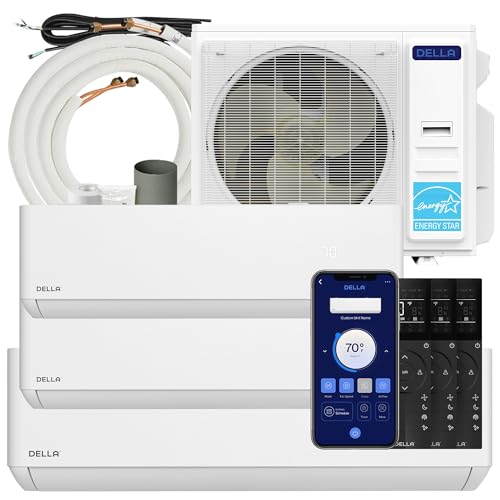
Environmentally Friendly Heating and Cooling Systems
Discover how modern, energy-efficient heating and cooling technologies reduce environmental impact while keeping your home comfortable year-round.
START LEARNINGWhy It Matters: Heating and cooling account for a significant share of household energy use. Choosing an environmentally friendly system reduces greenhouse gas emissions, lowers energy demand, and supports a more sustainable home. This guide explains the technologies, ratings, and practical steps to make an informed decision.
What Are Environmentally Friendly Heating and Cooling Systems?
Environmentally friendly heating and cooling systems are designed to deliver comfort while minimizing energy consumption and environmental impact. They typically combine high-efficiency compressors, smart controls, low-GWP refrigerants, and — in many cases — heat pump technology that can both heat and cool a space. Instead of relying on fossil fuel combustion, these systems use electricity more efficiently and can be paired with renewable energy sources.
The shift toward sustainable HVAC is driven by stricter refrigerant regulations, rising energy awareness, and consumer demand for greener homes. Understanding the core technologies helps you evaluate which system fits your climate, home layout, and long-term goals.
Core Technologies Behind Eco-Friendly HVAC
Heat Pump Technology
Heat pumps move heat rather than generate it, delivering both heating and cooling with high efficiency. Air-source and mini-split heat pumps are among the most environmentally friendly options for many climates.
Inverter Compressors
Inverter-driven compressors adjust speed continuously instead of cycling on and off. This reduces energy waste, stabilizes temperatures, and extends equipment life.
Low-GWP Refrigerants
Newer refrigerants like R32 and R454B have a much lower global warming potential than legacy blends, reducing the climate impact of leaks and end-of-life disposal.
Smart Thermostats & Zoning
Programmable and learning thermostats optimize schedules, while zoning systems direct conditioned air only where it is needed, cutting wasted energy.
Evaporative Cooling
In dry climates, evaporative coolers use water evaporation to cool air with far less electricity than vapor-compression systems. They are a strong sustainable alternative in the right conditions.
ENERGY STAR Certification
ENERGY STAR certified equipment meets strict efficiency criteria set by the EPA, making it easier to identify products that reduce energy use and emissions.
Types of Environmentally Friendly Systems
Different system types suit different homes and climates. The table below compares the most common eco-friendly options by tier, best use case, and key environmental advantage.
| System Type | Market Tier | Best For | Environmental Advantage |
|---|---|---|---|
| Ductless Mini-Split Heat Pump | Mid-range to premium | Homes without ducts, room-by-room control | High SEER2/HSPF2, low energy loss, no duct leakage |
| Central Heat Pump | Mid-tier to high-end tier | Whole-home heating and cooling with existing ducts | Efficient electric heating, reduced fossil fuel use |
| ENERGY STAR Window AC with Heat | Essential tier to mid-range | Apartments, single rooms, renters | Lower energy draw, compact footprint |
| Portable Heat Pump AC | Starter tier to balanced tier | Temporary or flexible cooling needs | Targeted cooling without whole-home operation |
| Evaporative Cooler | Essential tier | Dry climates, open living areas | Low electricity use, no refrigerant required |
| Geothermal Heat Pump | Premium to luxury tier | New construction, long-term installations | Highest efficiency, stable ground-source exchange |
Understanding Efficiency Ratings
Efficiency ratings help you compare systems objectively. For environmentally friendly choices, focus on these metrics:
- SEER2 Seasonal Energy Efficiency Ratio for cooling. Higher values indicate greater cooling efficiency. Modern ENERGY STAR models exceed baseline requirements.
- HSPF2 Heating Seasonal Performance Factor for heat pumps. Higher values mean more efficient heating across the season.
- EER2 Energy Efficiency Ratio at peak conditions. Useful for hotter climates where peak demand matters.
- GWP Global Warming Potential of the refrigerant. Lower is better; R32 and R454B are common low-GWP choices.
Always verify the latest DOE standards for your region, as minimum requirements are periodically updated. For a deeper dive into certified products, see our guide to ENERGY STAR qualified air conditioners.
How to Choose the Right Eco-Friendly System
Selecting an environmentally friendly system is not only about efficiency ratings. Consider these practical factors:
Assess Your Climate
Heat pumps perform best in moderate to cold climates with modern cold-climate models. In dry regions, evaporative cooling can be a highly sustainable alternative.
Evaluate Your Home Envelope
Insulation, window quality, and air sealing directly affect system performance. A well-sealed home allows a smaller, more efficient system to meet demand.
Check Ductwork Condition
Leaky ducts waste energy. Sealing and insulating ducts is often the most effective first step before upgrading equipment.
Plan for Maintenance
Regular filter changes, coil cleaning, and professional checkups preserve efficiency and extend equipment lifespan.
Consider Refrigerant Type
Choose systems using low-GWP refrigerants and ensure proper handling during installation and service, following EPA refrigerant handling rules.
Look for Incentives
Federal tax credits, utility rebates, and state programs often support high-efficiency installations, improving the long-term value of your investment.
Equipment Tiers for Sustainable Comfort
To help you navigate the market without relying on numeric figures, here is a tier-based framework for environmentally friendly equipment:
- Essential Tier Entry-level ENERGY STAR window units and portable ACs. Solid choice for single rooms and renters seeking efficiency gains without major installation work.
- Balanced Tier Mid-range inverter mini-splits and high-efficiency portable heat pumps. Well-specified for the category, offering quieter operation and better part-load efficiency.
- Premium Tier High-end ductless mini-split heat pumps with advanced filtration and smart controls. Feature-rich for its class, ideal for whole-home or multi-zone setups.
- Luxury Tier Flagship geothermal or variable-refrigerant-flow systems. Professional-grade engineering with the highest efficiency and lowest environmental impact over the long term.
Maintenance and Operation Tips
Even the most efficient system loses performance without proper care. Follow these practices to keep your system green:
- Filters Replace or clean filters every 1–3 months. Clogged filters reduce airflow and increase energy use.
- Coils Clean condenser and evaporator coils annually to maintain heat transfer efficiency.
- Thermostat Use programmable schedules and avoid extreme setpoints. A modest adjustment can yield meaningful energy reductions.
- Ducts Inspect and seal ducts periodically. Leakage in unconditioned spaces wastes a substantial share of conditioned air.
- Refrigerant Schedule professional leak checks. Low refrigerant charge forces the system to work harder and can damage the compressor.
Frequently Asked Questions
What makes a heating and cooling system environmentally friendly?
A system is considered environmentally friendly when it uses less energy, relies on a low-GWP refrigerant, and reduces reliance on fossil fuels. Heat pumps, high-efficiency inverter systems, and ENERGY STAR certified units are common examples.
Is a heat pump better than a traditional furnace for the environment?
Yes, in most cases. A heat pump moves heat instead of generating it, which allows it to deliver more heating energy per unit of electricity compared to combustion-based furnaces. This significantly reduces carbon emissions.
How do refrigerants affect the environment?
Certain refrigerants have a high global warming potential (GWP). Newer refrigerants such as R32 and R454B have a much lower GWP, making them a more environmentally responsible choice. Proper handling and recovery during service are also essential.
Can I combine an environmentally friendly system with my existing ductwork?
Many high-efficiency systems are designed to work with existing ductwork. However, duct sealing and insulation are essential to maximize efficiency and reduce energy loss. A professional assessment can confirm compatibility.
Are evaporative coolers a good eco-friendly option?
In dry climates, evaporative coolers use significantly less electricity than vapor-compression systems and require no refrigerant. They are a strong sustainable choice where humidity is low. Explore our resources on evaporative cooling systems for details.
Related Guides
Expand your knowledge with these in-depth resources:
- Guide ENERGY STAR Mini-Split Heat Pump — efficiency benchmarks and selection tips.
- Guide ENERGY STAR Most Efficient Air Conditioner — top-tier efficiency explained.
- Guide ENERGY STAR Most Efficient Window AC — compact, efficient room cooling.
- Guide ENERGY STAR Portable Air Conditioner — flexible cooling with lower energy use.
- Guide ENERGY STAR Window Heat Pump — dual-function efficiency for single rooms.
- Guide Evaporative Cooler Alternative — sustainable cooling in dry climates.
Ready to Explore Eco-Friendly Options?
Browse our curated selection of environmentally friendly heating and cooling products below to compare features and find the right fit for your home.
VIEW RECOMMENDED SYSTEMS