ENERGY STAR Most Efficient Air Conditioner: The Top-Tier Efficiency Guide
Understand what the ENERGY STAR Most Efficient designation truly means, how these flagship-tier AC units compare, and whether one belongs in your home cooling plan.
Start ExploringResearch stage, simplified. If you already know you want a high-efficiency air conditioner and are comparing the best options, this guide is built for you. We explain the ENERGY STAR Most Efficient program, break down the efficiency metrics that matter, and help you decide which tier of unit fits your home — so you can move from research to a confident purchase decision.
What Is an ENERGY STAR Most Efficient Air Conditioner?
The ENERGY STAR Most Efficient designation is a recognition program administered by the U.S. Environmental Protection Agency (EPA). It highlights products that are among the most energy-efficient on the market in their category — not merely "ENERGY STAR certified," but top performers within that certification.
While standard ENERGY STAR certification sets a baseline for efficiency, the Most Efficient label is reserved for models that go meaningfully further. For air conditioners, this generally means:
- Efficiency ratings that exceed the standard ENERGY STAR threshold by a notable margin.
- Advanced compressor technology, typically inverter-driven variable-speed systems.
- Refrigerant and design choices aligned with current and upcoming environmental standards.
- Smart controls and features that support real-world energy savings.
In practical terms, an ENERGY STAR Most Efficient air conditioner sits in the flagship tier of the residential cooling market. These are the units engineered for buyers who prioritize long-term energy performance, quieter operation, and the most advanced technology available in a given product class.
Efficiency Metrics You Must Understand Before Buying
Before comparing specific models, it helps to understand the numbers printed on the yellow EnergyGuide label and the specification sheets. The Most Efficient designation is tied directly to these metrics.
SEER2: The Primary Seasonal Efficiency Metric
SEER2 (Seasonal Energy Efficiency Ratio 2) replaced the older SEER rating under updated Department of Energy testing procedures. It measures how efficiently a unit cools over an entire cooling season. A higher SEER2 means more cooling output per unit of electricity consumed. ENERGY STAR Most Efficient models typically sit well above the standard certification floor for their product category.
EER2: Peak-Load Efficiency
EER2 measures efficiency at a single, specific test condition — typically a hot day. While SEER2 reflects seasonal performance, EER2 reflects how well the unit performs when demand peaks. In hotter climates, EER2 can be the more meaningful figure.
HSPF2: For Heat Pump and Reverse-Cycle Units
If you are considering a unit that also provides heating — such as a mini-split heat pump — the HSPF2 rating measures heating efficiency across a season. Many ENERGY STAR Most Efficient products are heat pumps that excel in both cooling and heating modes.
Quick Comparison: Efficiency Metric Cheat Sheet
| Metric | What It Measures | Best For | Why It Matters |
|---|---|---|---|
| SEER2 | Seasonal cooling efficiency | All cooling climates | Estimates total seasonal energy use for cooling |
| EER2 | Peak-load cooling efficiency | Hot climates with intense summers | Reflects performance on the hottest days |
| HSPF2 | Seasonal heating efficiency | Heat pump / reverse-cycle units | Estimates heating season energy use |
| ENERGY STAR Most Efficient | Recognition above standard certification | Buyers prioritizing top-tier efficiency | Signals a flagship-tier unit within its category |
Why Choose an ENERGY STAR Most Efficient Air Conditioner?
A flagship-tier efficiency rating translates into tangible benefits over the life of the equipment. Here is what buyers in this segment are actually gaining:
Lower Long-Term Energy Consumption
The most direct benefit is reduced electricity use for the same amount of cooling. Over multiple cooling seasons, the efficiency gap between a standard-tier unit and a Most Efficient model compounds. This is why these units are best viewed as a long-term investment rather than a short-term purchase decision.
Inverter Compressor Technology
Nearly all ENERGY STAR Most Efficient air conditioners use variable-speed inverter compressors. Instead of cycling on and off at full power, an inverter compressor modulates its speed to match the cooling load. The results include more stable room temperatures, less wear on the compressor, and quieter operation. You can explore how this works in more depth in our guide to ENERGY STAR mini-split systems.
Quieter Operation
Because the compressor rarely runs at full speed and the fan can operate at lower settings, Most Efficient units tend to be noticeably quieter than entry-level or standard mid-range systems. For bedrooms, home offices, and open living spaces, this is often a deciding factor.
Environmentally Responsible Refrigerants
Most Efficient models generally use refrigerants with lower global warming potential, aligned with the phase-down of older high-GWP refrigerants. Understanding EPA refrigerant handling rules is useful context when evaluating any high-efficiency system.
Which Types of Air Conditioners Qualify?
The Most Efficient designation applies across several product categories. The best fit depends on your home's layout, whether ductwork exists, and your installation constraints.
Mini-Split and Ductless Systems
Ductless mini-splits are a frequent recipient of the Most Efficient label, especially heat pump variants. They avoid duct losses entirely and allow zone-by-zone control. If your home lacks ductwork or you want room-specific efficiency, a ductless system is often the strongest candidate. Compare options in our ENERGY STAR mini-split guide.
Window Air Conditioners
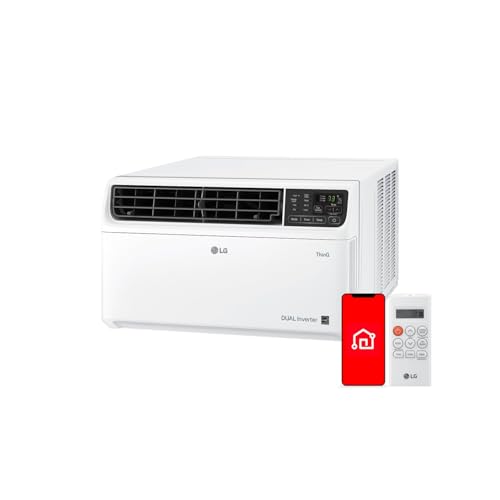
Window units can qualify for Most Efficient recognition too, particularly inverter-driven models with higher SEER2 and CEER ratings. For single-room cooling in apartments or smaller homes, a top-tier window unit can deliver impressive efficiency relative to its category. See our roundup of ENERGY STAR Most Efficient window air conditioners.
Portable Air Conditioners
Portable units are the hardest category in which to achieve top efficiency because of the exhaust-hose design and single-duct losses. Still, a handful of premium-tier portable models qualify. If portability is essential, review ENERGY STAR portable air conditioners before settling on a model.
Through-the-Wall and Wall-Mounted Units
Through-the-wall and wall-mounted units also have Most Efficient qualifying options. These are worth considering where a window installation is impractical. See ENERGY STAR through-the-wall air conditioners and ENERGY STAR wall air conditioners for category-specific guidance.
Units With Heat and Smart Controls
Many top-tier window and wall units now combine cooling with heating and Wi-Fi control. If you want year-round capability and app-based scheduling, explore ENERGY STAR window air conditioners with heat and models with remote and Wi-Fi control.
How Most Efficient Units Compare Across Market Tiers
To make a clear decision, it helps to see where Most Efficient models sit relative to the broader market. The table below uses universal tier descriptors rather than any specific figures.
| Tier | Typical Efficiency Position | Key Characteristics | Best For |
|---|---|---|---|
| Entry-Level | Baseline efficiency | Single-speed compressor, basic controls, functional build | Occasional cooling, tight installation constraints |
| Mid-Range | Standard ENERGY STAR certified | Some inverter options, improved controls, solid build | Everyday residential cooling with balanced priorities |
| Premium | Above standard certification | Inverter compressors, quieter operation, smart features | Buyers prioritizing efficiency and comfort |
| Flagship (Most Efficient) | Top-tier efficiency recognition | Advanced inverter systems, best-in-class ratings, premium materials, smart integration | Long-term investment, maximum efficiency, quiet comfort |
A premium-tier model often narrows the gap with flagship units, but the Most Efficient label signals that the product has cleared a higher bar within its category. If long-term energy performance is your priority, the flagship tier is the most defensible choice.
Key Factors When Choosing a Most Efficient AC
1. Correct Sizing Comes First
Efficiency ratings mean little if the unit is the wrong size for the space. An oversized unit will short-cycle, reducing comfort and wasting the efficiency advantage. Always size the unit to the room using a load calculation or a reliable BTU chart before comparing efficiency tiers. Our guide on ENERGY STAR qualified air conditioners explains how certification interacts with sizing.
2. Match the Product Type to Your Home
A flagship-tier window unit is the right answer for a single room; it is not a substitute for a whole-home system. Conversely, a ductless mini-split heat pump may be overkill for a small studio. Start with the installation type, then narrow within that category by efficiency tier.
3. Verify the Current Certification
The Most Efficient list is updated annually. A model that carried the label in a previous cycle may no longer qualify. Always confirm the current recognition status on the official ENERGY STAR product finder before committing.
4. Consider Installation Quality
Even a flagship-tier unit underperforms if installed poorly. Proper line-set sizing, correct refrigerant charge, and adequate airflow are essential. For ducted systems, duct sealing matters as much as the equipment rating. Review our resources on the first week after AC installation to know what to verify.
5. Plan for Maintenance
High-efficiency equipment depends on clean filters, clear coils, and correct refrigerant levels to sustain its rated performance. Budget time for routine maintenance and understand when to call a professional.
Benefits at a Glance
- Top-tier efficiency recognition — verified by an independent EPA-administered program.
- Lower seasonal energy use — compounding benefits over the life of the unit.
- Advanced inverter technology — smoother temperature control and quieter operation.
- Forward-looking refrigerant choices — aligned with environmental regulations.
- Smart controls — scheduling and remote management that support real savings.
- Long-term investment value — designed for durability and sustained performance.
Related Efficiency Guides
Deepen your research with these focused guides on specific product categories and efficiency topics:
- ENERGY STAR rated portable air conditioners — what to expect from the portable category.
- ENERGY STAR window heat pumps — combined cooling and heating in a window format.
- ENERGY STAR window units — a broader look at certified window options.
- Environmentally friendly heating and cooling systems — sustainability beyond the label.
- ENERGY STAR window AC with Wi-Fi control — smart control features explained.
Frequently Asked Questions
Is ENERGY STAR Most Efficient different from standard ENERGY STAR certification?
Do Most Efficient air conditioners always use inverter compressors?
Can a portable air conditioner earn the Most Efficient label?
Will a Most Efficient unit always reduce my energy use compared to my old AC?
How often is the Most Efficient list updated?
Should I choose a Most Efficient window unit or a mini-split?
Final Thoughts
An ENERGY STAR Most Efficient air conditioner represents the flagship tier of residential cooling efficiency. For buyers who have moved past basic questions and are now comparing high-efficiency options, the Most Efficient label is the most reliable starting filter available. It narrows the field to units that have independently cleared a high efficiency bar within their category.
Use this guide to shortlist candidates by product type and tier, verify current certification, and confirm that sizing and installation are handled correctly. With those steps complete, you are positioned to make a confident purchase decision from the recommended options below.