New Air Conditioner and Installation Cost Guide
Understand what shapes the overall investment in a new AC system — from unit tiers and efficiency ratings to labor, permits, and ductwork — so you can compare quotes with confidence.
Why the Total Picture Matters
Replacing or adding an air conditioner is a major home decision. The final figure on a contractor's quote is rarely determined by the equipment alone. It reflects the system type you choose, the tier of the unit, the condition of your ductwork, electrical readiness, permits, and the labor market in your area. Understanding each of these components helps you evaluate whether a quote is reasonable and whether an upgrade is a long-term investment worth considering.
This guide breaks down the major variables that influence new air conditioner and installation cost. It does not quote figures, because those vary by region and change over time. Instead, it gives you a framework to interpret proposals, ask better questions, and align your choice with how you actually use your home.
Research tip: Request at least three written quotes with itemized equipment, labor, and permit line items. Compare tiers and features rather than a single bottom-line number.
System Type Drives the Baseline
The type of system you install sets the broad range of what you should expect. Each category carries different equipment complexity, labor intensity, and installation requirements.
Central Air Conditioning
A central system distributes cooled air through ductwork. If your home already has compatible ducts, the project is largely a replacement. If ducts must be added or significantly modified, the scope expands. Homes without existing ductwork often compare central systems against ductless options. You can explore different types of central air conditioning systems to understand configurations before requesting quotes.
Ductless Mini-Split Systems
Mini-splits avoid ductwork entirely, using an outdoor condenser connected to one or more indoor air handlers. They are often chosen for additions, older homes, or zoned comfort. The number of zones directly affects equipment and labor. For a single-room project, DIY mini-split air conditioners are sometimes considered, though professional installation protects warranties and performance.
Window and Portable Units
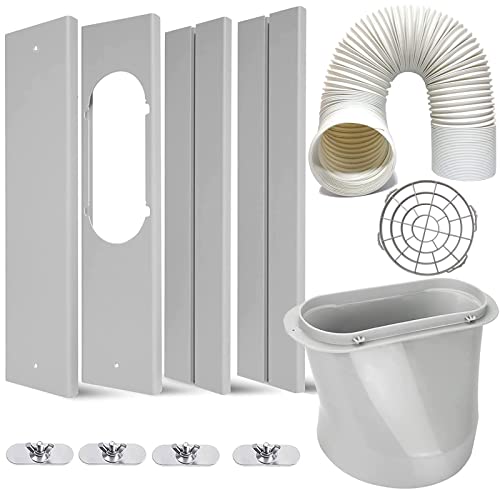
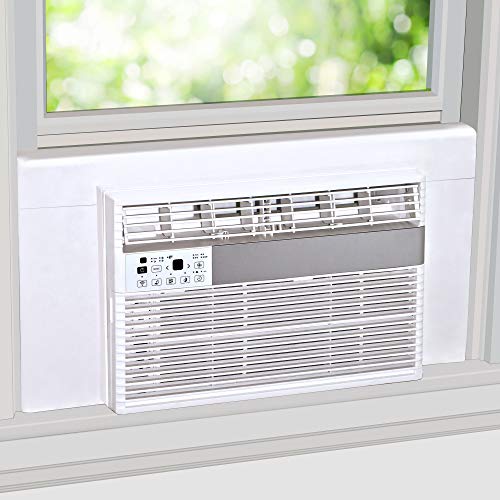
These are the simplest installations and are typically self-installed. They suit single rooms and renters. If you are weighing a portable unit, the energy-efficient air conditioner portable category highlights efficiency considerations. Window units are covered in the energy-efficient air conditioner window unit guide.
Through-the-Wall Units
Through-the-wall units sit in a sleeve and can be a practical replacement in buildings already designed for them. Electrical requirements and sleeve condition are the main variables. See the energy-efficient through-the-wall air conditioner overview for context.
Understanding Equipment Tiers
Rather than focusing on a single figure, it helps to understand where a unit sits in the market. The table below uses universal tier descriptors to compare categories without relying on changing figures.
| Tier |
Typical Characteristics |
Best For |
| Entry-Level |
Basic single-stage or standard features, functional build, essential efficiency ratings. |
Single rooms, rentals, seasonal use, straightforward replacements. |
| Mid-Range |
Two-stage or inverter options, quieter operation, improved efficiency, smart thermostat compatibility. |
Most whole-home replacements, long-term primary residences. |
| Premium |
Variable-speed compressors, high efficiency ratings, premium materials, advanced filtration and zoning. |
Homes prioritizing comfort, quiet operation, and long-term efficiency. |
| High-End Tier |
Top efficiency, multi-zone capability, advanced controls, robust sound insulation. |
Large homes, multi-story layouts, owners planning to stay long term. |
A mid-range system is often the balanced choice: it typically offers smoother operation and better efficiency than entry-level equipment without the full cost profile of the top tier. Premium and high-end tiers make sense when quiet operation, zoning, or efficiency are priorities and the installation is intended as a long-term investment.
Installation Labor and Site Conditions
Labor is often the largest single variable in a quote. The same equipment can require very different labor depending on your home.
Existing Ductwork
If ducts are in good condition, the project is faster. If ducts are undersized, leaky, or absent, additional work is needed. Projects that add ductwork are described in cost to install new HVAC system with ductwork, and homes being converted from forced-air heating are covered in cost to add AC to house with forced air.
Electrical Readiness
Central systems and larger mini-splits often require dedicated circuits. If your panel has capacity, the work is limited. If an upgrade is needed, an electrician may be involved. Older homes may need panel work before installation can proceed.
Permits and Inspections
Most municipalities require a permit for new HVAC installation. Permit requirements vary and can add time and a line item to the quote. Review do I need permit for AC to understand when a permit is typically required.
Placement and Access
Outdoor condenser placement affects line-set length, clearance, and noise. Indoor air-handler location affects duct routing and condensate drainage. Difficult access — attics, crawlspaces, or tight mechanical closets — increases labor time.
Efficiency Ratings and Long-Term Value
Efficiency ratings influence both the tier of the equipment and the long-term operating profile. Higher-efficiency systems typically require more advanced components and can qualify for utility or government incentives.
When comparing quotes, pair efficiency with expected usage. A high-efficiency system in a home that uses cooling heavily is a stronger long-term investment than the same system in a lightly used space.
How to Compare Installation Quotes
Quotes are easier to evaluate when broken into categories. Ask each contractor to itemize the following:
- Equipment tier and model numbers — so you can verify features and efficiency.
- Labor scope — removal of old equipment, line-set work, duct modifications, and cleanup.
- Electrical scope — whether a dedicated circuit or panel work is included.
- Permit and inspection fees — listed separately from labor.
- Warranty terms — labor warranty length and equipment warranty coverage.
- Thermostat and controls — included or billed separately.
Contractor selection matters as much as equipment. Review how to choose HVAC contractor and how to avoid AC scams before signing. If you are still early in the process, find HVAC contractor near me helps you structure your search.
New Installation vs. Replacement
A replacement reuses existing infrastructure. A new installation builds it. The distinction changes the scope significantly.
Replacement Projects
Reusing ducts, electrical service, and pad locations keeps the project contained. If the existing system is aging, consider whether duct sealing or thermostat upgrades should happen at the same time. A modern digital air conditioner thermostat is a common add-on that improves control.
New Installations
Adding cooling to a home that never had it involves ductwork, electrical work, and equipment sizing. The broader project scope is described in cost to add air conditioning to a house and cost of installing air conditioning in house. If you are also converting or adding heating, review cost of forced air heating and cooling system.
Sizing and Load Calculation
Correct sizing protects both comfort and efficiency. An oversized system cools quickly but may cycle frequently, which can leave rooms feeling clammy and increase wear. An undersized system struggles on peak days.
A proper load calculation considers square footage, window area, insulation, orientation, and occupancy. The how to size air conditioner guide explains the process. For a whole-home project, the calculation typically informs the capacity range presented in quotes.
Ask your contractor: “Will you provide a room-by-room load calculation, and will the proposed capacity be based on it?” This question separates thorough proposals from rough estimates.
Ongoing Operation and Maintenance
The installation is the beginning of the system's life. Routine maintenance preserves efficiency and can prevent service calls. Filter changes, coil cleaning, and annual checkups are the core tasks.
Reducing demand also improves the long-term picture. Strategies in how to reduce AC electricity bill and the energy saving air conditioner overview help you get more from the system you install. If you are considering ductwork improvements, DIY HVAC duct cleaning covers what can be done safely and when to call a professional.
Frequently Asked Questions
What factors affect new air conditioner and installation cost?
System type, unit tier, home size, ductwork condition, electrical upgrades, permit requirements, and local labor rates are the primary variables. Efficiency ratings and smart features also influence the tier of the equipment.
Is a premium tier air conditioner a worthwhile investment?
A premium tier system can be a long-term investment through higher efficiency, quieter operation, and durable construction. Mid-range systems often balance features and efficiency for most homes.
How long does a professional AC installation take?
A straightforward replacement may take a single day, while a new installation with ductwork or electrical upgrades can take several days depending on complexity and inspections.
Should I replace the furnace at the same time?
If the furnace is aging or the system shares ductwork, coordinating replacement can reduce labor overlap. Review furnace and air conditioner replacement for planning considerations.
Do I need a permit for a new installation?
Most municipalities require a permit for new HVAC installation. Requirements vary by location; see do I need permit for AC for general guidance.