Heat Pump and Condenser: Complete Guide to Efficient Home Cooling
Understand how heat pumps and condensers work together, compare system types, and learn how to choose the right configuration for your home's climate and layout.
EXPLORE MORE GUIDESWhy this guide matters: The heat pump and condenser are the two central components of any modern cooling and heating system. Understanding their relationship helps you evaluate system performance, plan maintenance, and make informed choices when upgrading or replacing equipment. Whether you are researching a ductless heat pump or a traditional split system, this guide covers the essentials without unnecessary jargon.
How a Heat Pump Works
A heat pump is a versatile HVAC system that moves heat rather than generating it. In cooling mode, it extracts heat from indoor air and releases it outdoors. In heating mode, the process reverses, pulling heat from outdoor air and transferring it inside. This dual capability makes heat pumps a popular choice for year-round comfort in many climates.
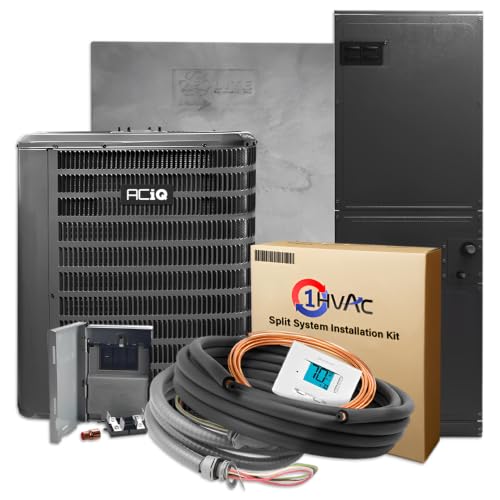
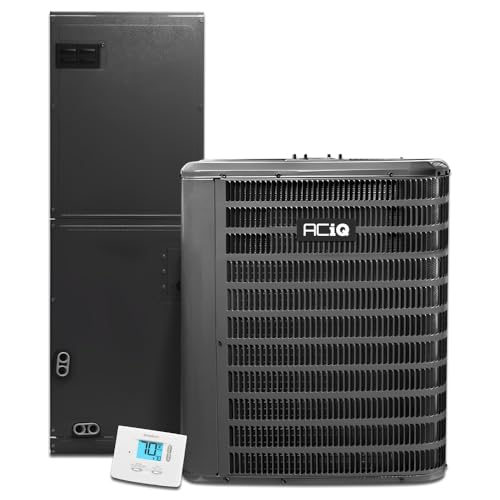
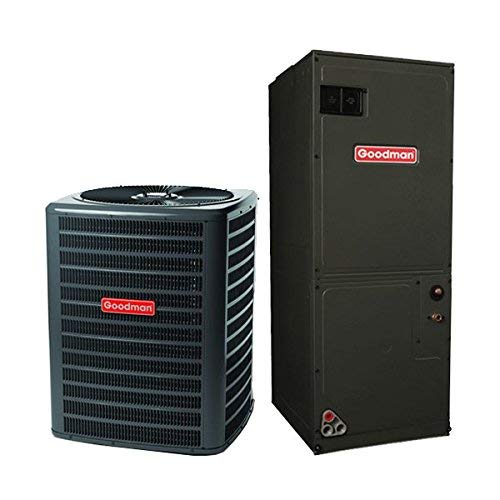
The core components include an outdoor unit (which houses the compressor and condenser coil), an indoor unit (with the evaporator coil and air handler), and a refrigerant loop connecting them. The compressor pressurizes refrigerant, raising its temperature, while the expansion valve lowers pressure and temperature to absorb heat indoors.
Key insight: A heat pump does not create cold air — it removes heat. This is why proper sizing and airflow are critical for efficient operation. An undersized unit runs constantly without reaching setpoint, while an oversized unit short-cycles and struggles with humidity control.
For a broader overview of how these systems compare to traditional air conditioners, see our heating and cooling systems reference. If you are evaluating ductless options, our ductless heat air conditioner page covers mini-split configurations in detail.
The Role of the Condenser
The condenser is the component responsible for releasing heat from the refrigerant to the outside environment. In a split system, it is part of the outdoor unit and includes the condenser coil, fan, and compressor. In a packaged unit, all components are housed in a single cabinet.
In cooling mode, hot refrigerant gas enters the condenser coil from the compressor. The outdoor fan draws ambient air across the coil, and the refrigerant releases heat, condensing into a liquid. This liquid then travels to the indoor evaporator coil, where it absorbs heat from the indoor air.
In heating mode, the condenser and evaporator roles swap: the outdoor coil becomes the evaporator, absorbing heat from outside air, while the indoor coil acts as the condenser, releasing heat into the home.
Condenser condition directly affects system efficiency. Dirty coils, restricted airflow, or a failing fan force the compressor to work harder, reducing performance and potentially shortening equipment life. For related maintenance guidance, see our evaporator coil page and general HVAC reference.
Heat Pump vs Condenser: Key Differences
The terms "heat pump" and "condenser" are often used interchangeably, but they refer to different things. A condenser is a component; a heat pump is a complete system that includes a condenser, evaporator, compressor, and reversing valve. Understanding this distinction helps when comparing systems or discussing specifications with a contractor.
| Aspect | Heat Pump | Condenser (Component) |
|---|---|---|
| Definition | Complete system that provides both heating and cooling | Individual component that releases heat from refrigerant |
| Function | Reverses refrigerant flow for heating or cooling | Rejects heat to outdoor air during cooling mode |
| Scope | Includes compressor, coils, reversing valve, controls | Coil, fan, and housing; part of a larger system |
| Application | Year-round comfort in one integrated unit | Found in air conditioners, heat pumps, refrigeration |
In practice, when homeowners discuss a "heat pump and condenser," they usually mean the outdoor unit that contains both the condenser coil and the heat pump mechanism. For the purposes of this guide, we focus on the integrated system and the condenser's role within it.
Types of Heat Pump Systems
Heat pumps are available in several configurations, each suited to different building types and climate conditions. The choice affects installation complexity, efficiency, and long-term performance.
Air-Source Heat Pumps
The most common type, air-source heat pumps transfer heat between indoor and outdoor air. They are available as split systems (separate indoor and outdoor units) or packaged units (single cabinet). Modern cold-climate models operate effectively in temperatures well below freezing. For related efficiency considerations, see our high-efficiency HVAC overview.
Ductless Mini-Split Heat Pumps
These systems connect an outdoor condenser to one or more indoor air handlers without ductwork. They are ideal for additions, older homes without ducts, and zone-specific comfort. Our DIY mini-split air conditioners page explores installation options, while Energy Star mini-split air conditioner covers efficiency qualifications.
Ducted Heat Pumps
Ducted systems distribute conditioned air through a network of ducts. They are common in central HVAC setups and work well for whole-home comfort. If you are evaluating ducted options, our Energy Star ducted mini-split page provides additional detail.
Geothermal Heat Pumps
These systems use stable ground temperatures for highly efficient heating and cooling. They require significant installation work and are best suited to new construction or major renovations. See our ground source heating and cooling systems guide for a technical overview.
Efficiency Ratings Explained
Heat pump efficiency is expressed through several standardized metrics. Understanding these ratings helps you compare systems on a level playing field.
- SEER2: Seasonal Energy Efficiency Ratio, measured for cooling performance. Higher values indicate greater efficiency.
- HSPF2: Heating Seasonal Performance Factor, measured for heating performance. Higher values indicate greater heating efficiency.
- EER2: Energy Efficiency Ratio at peak load conditions. Useful for comparing performance in hot climates.
The DOE periodically updates minimum standards. For current requirements and how they affect system selection, see our Energy Star HVAC systems reference and energy efficiency of an air conditioner guide. If you are comparing central systems, energy-efficient central air conditioners provides additional context.
Practical tip: A higher SEER2 rating does not automatically mean a better fit. Duct design, refrigerant line length, and proper installation have a significant impact on real-world performance. A mid-tier system installed correctly often outperforms a top-tier system installed poorly.
System Tier Classification
To help you evaluate options without relying on numerical pricing, we use a tier-based classification system. This approach reflects relative market positioning and feature sets, independent of currency or regional pricing differences.
Entry-Level Tier
These systems cover the essentials: reliable cooling and heating with standard efficiency ratings. They are well-suited to mild climates, rental properties, or budget-conscious installations where advanced features are not a priority.
Best for: Mild climates, seasonal use, straightforward replacements.
Mid-Range Tier
Mid-range systems typically offer higher efficiency ratings, quieter operation, and improved humidity control compared to entry-level models. They often include variable-speed compressors or enhanced fan designs.
Best for: Most residential applications, homeowners seeking balanced performance and efficiency.
High-End Tier
These systems prioritize maximum efficiency, advanced controls, and premium build quality. They often feature variable-speed compressors, smart thermostats, and enhanced filtration options. Ideal for homeowners focused on long-term energy performance and comfort consistency.
Best for: Whole-home comfort, extreme climates, energy-conscious households.
Professional-Grade Tier
Professional-grade systems are designed for demanding applications: large homes, commercial spaces, or installations where reliability and serviceability are critical. They typically offer extended warranties and compatibility with advanced building management systems.
Best for: Commercial spaces, multi-zone residential, high-demand environments.
Installation Considerations
Proper installation is the single most important factor in heat pump performance and longevity. Even a premium-tier system will underperform if installed incorrectly. Key considerations include:
- Load calculation: A room-by-room load calculation (Manual J or equivalent) determines the correct system size. Oversized systems short-cycle; undersized systems run continuously.
- Duct design: For ducted systems, duct sizing, sealing, and insulation significantly affect efficiency. Leaky ducts can waste a substantial portion of conditioned air.
- Refrigerant lines: Line length and elevation differences must be within manufacturer specifications. Excessively long lines reduce capacity.
- Electrical requirements: Heat pumps typically require dedicated circuits. Verify panel capacity before installation.
- Outdoor unit placement: Adequate clearance for airflow, shade where possible, and a stable mounting surface are essential.
For detailed guidance, see our how to size an air conditioner guide and how to choose an HVAC contractor checklist. If you are considering a new installation, cost of installing air conditioning in house provides a structural overview (note: pricing figures are not included in our editorial content).
Maintenance Tips
Regular maintenance extends equipment life and preserves efficiency. The following tasks are appropriate for most homeowners, while others should be handled by a licensed technician.
DIY-Friendly Tasks
- Replace or clean air filters every 1–3 months
- Keep outdoor unit clear of debris, leaves, and snow
- Gently rinse condenser coils with a garden hose
- Check and straighten condenser fins
- Verify thermostat settings and schedules
Professional Tasks
- Refrigerant charge verification
- Electrical component inspection
- Compressor and motor testing
- Duct leakage assessment
- Reversing valve diagnostics
For broader guidance, see our energy saving air conditioner tips and how to reduce AC electricity bill reference. If you notice performance issues, our home AC fan working but no cold air troubleshooting page may help.
Common Problems and Fixes
Heat pump and condenser issues often present with recognizable symptoms. Early diagnosis can prevent more significant damage.
System Not Cooling or Heating
Check thermostat settings, air filter condition, and circuit breaker status first. If the outdoor unit is not running, the issue may be a capacitor, contactor, or compressor problem. See our house air conditioner running but not cooling guide for step-by-step diagnostics.
Frozen Coils
Ice on the indoor or outdoor coil typically indicates restricted airflow, low refrigerant, or a failing blower motor. Turn the system off and allow it to thaw before calling a technician.
Unusual Noises
Grinding, squealing, or rattling sounds may indicate bearing wear, loose components, or debris in the outdoor unit. Prompt attention prevents secondary damage.
Refrigerant Leaks
Low refrigerant charge reduces capacity and can damage the compressor. Leak detection and repair require licensed professionals. For related context, see our fixing freon leak central air conditioner page and EPA refrigerant regulations reference.
Frequently Asked Questions
What is the difference between a heat pump and a condenser?
A condenser is a component that releases heat from refrigerant. A heat pump is a complete system that includes a condenser, evaporator, compressor, and reversing valve, allowing it to provide both heating and cooling. When people say "heat pump and condenser," they are usually referring to the outdoor unit that houses both functions.
Can a heat pump work without a condenser?
No. The condenser is essential for releasing heat to the outdoor air during cooling mode. Without a functioning condenser, the refrigerant cannot shed heat, and the system cannot cool effectively.
How long does a heat pump system last?
With proper installation and regular maintenance, a heat pump typically lasts 12–18 years. Factors affecting lifespan include climate severity, usage patterns, and maintenance frequency.
Is a heat pump suitable for cold climates?
Modern cold-climate heat pumps operate effectively in temperatures well below freezing. However, in extreme cold, supplemental heating may be required. Consult a local HVAC professional for climate-specific recommendations.
How often should the condenser coil be cleaned?
Inspect the condenser coil every few months and clean as needed. In dusty or high-pollen areas, more frequent cleaning may be necessary. A clean coil improves efficiency and reduces strain on the compressor.
What efficiency rating should I look for?
Higher SEER2 and HSPF2 ratings indicate greater efficiency. The appropriate rating depends on your climate, usage patterns, and long-term energy goals. Mid-range and high-end tier systems typically offer better efficiency than entry-level models.
Can I replace just the condenser without replacing the whole system?
In some cases, yes, but compatibility with the existing indoor coil and refrigerant type must be verified. Mixing components of different ages or efficiency ratings can reduce performance and void warranties. Consult a qualified technician before proceeding.
Ready to Explore Heat Pump Options?
Compare systems, review efficiency ratings, and find the right configuration for your home.
View Recommended SystemsEditorial note: This guide is part of our education series. For related topics, explore HVAC heat pumps, high-efficiency HVAC, and energy-efficient heating and cooling systems for homes. If you are evaluating a replacement, our furnace and air conditioner replacement overview may be helpful.