Fresh Air Duct Cleaning: Complete Guide to Healthier Home Air
Discover how professional duct cleaning removes hidden pollutants, restores airflow, and protects your family's respiratory health — plus what to expect, how to choose a provider, and when cleaning is genuinely necessary.
START LEARNINGWhy this guide matters: Your ductwork circulates air through every room in your home, yet most homeowners never see inside it. Over time, dust, pet dander, pollen, mold spores, and construction debris accumulate in the ducts and get recirculated with every heating and cooling cycle. This guide explains the science behind fresh air duct cleaning, the methods professionals use, and how to judge whether your home actually needs the service — so you can make a confident, informed decision.
Why Fresh Air Duct Cleaning Matters
The average household generates a significant amount of airborne particulate matter every day. Cooking, cleaning, pets, and even simply opening doors and windows introduce particles that your HVAC system pulls into the return ducts. A properly maintained duct system keeps that material moving to the filter rather than settling on duct walls. When buildup becomes excessive, two things happen: airflow is restricted, and the system begins distributing contaminants instead of capturing them.
Fresh air duct cleaning addresses both problems. By mechanically removing accumulated debris from the supply and return ducts, the blower, and connected components, the service restores the original airflow characteristics of the system. For homeowners dealing with allergies or respiratory sensitivity, the improvement in delivered air quality can be noticeable — especially when cleaning is paired with a high-quality filtration strategy and a properly sealed duct system.
Improved Indoor Air Quality
Removing settled dust, dander, and biological growth from duct surfaces reduces the particulate load circulating through your living spaces.
Restored Airflow & Efficiency
Clean ducts allow the blower to move the intended volume of air, reducing strain on the system and supporting more consistent room-to-room comfort.
Allergen & Odor Reduction
Stale, musty odors often originate from microbial growth in damp duct sections. Cleaning removes the source rather than masking it.
Extended Equipment Life
Reduced particulate load means less contamination reaching the evaporator coil and blower motor, supporting longer service intervals.
Healthier Living Environment
Families with asthma, seasonal allergies, or young children benefit most from a duct system that is not recirculating settled debris.
Better Filter Performance
A clean duct system lets filters capture particles at their rated efficiency instead of loading prematurely with large debris.
Signs Your Ducts Need Fresh Air Cleaning
Duct cleaning is not a service every home needs on a fixed schedule. The EPA and industry experts generally recommend cleaning when specific conditions are present rather than as routine maintenance. Watch for these indicators:
- Visible debris: Dust streaks or debris visible on supply registers, or buildup visible inside duct openings when inspected with a light.
- Persistent odors: A musty or stale smell every time the system runs often points to microbial growth in damp duct sections.
- Recent renovation: Drywall dust, sawdust, and construction debris migrate into ducts during remodeling and should be removed afterward.
- New home purchase: Previous occupants may have had pets, smoked indoors, or neglected the system for years.
- Allergy symptoms indoors: Worsening symptoms when the HVAC system runs suggest the system is distributing irritants.
- Rodent or pest activity: Droppings, nesting material, or carcasses in ductwork require professional remediation, not just cleaning.
- Mold growth: Visible mold inside ducts or on the air handler interior warrants professional assessment and cleaning.
- Filter loading: Filters clogging rapidly can indicate significant debris entering the return side.
How Professional Fresh Air Duct Cleaning Works
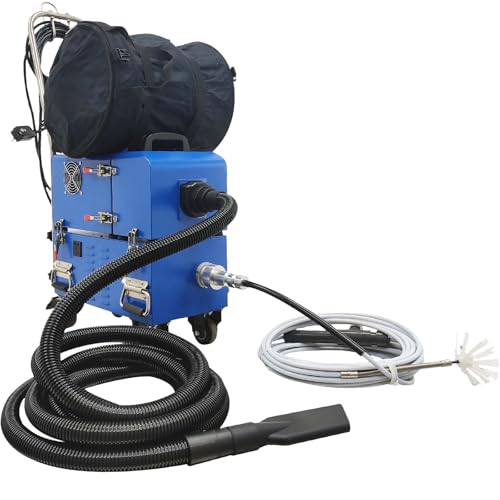
Professional duct cleaning is a multi-step mechanical process — not simply brushing visible surfaces. Reputable providers use specialized equipment to create negative pressure, agitate the duct interior, and capture loosened debris for removal. Here are the core methods and what each accomplishes:
- Negative Pressure Vacuum Collection A high-powered vacuum connected to the duct system creates negative pressure throughout the network, preventing loosened debris from escaping into the living space while the rest of the process proceeds.
- Rotary Brush & Air Whip Agitation Motorized brushes and compressed-air whips travel through the ducts to dislodge adhered debris from duct walls, joints, and transitions that simple vacuuming cannot reach.
- Source Removal at the Air Handler Cleaning the blower compartment, evaporator coil face, and return plenum is essential — debris entering the system often settles here before it ever reaches the supply ducts.
- Register & Grille Cleaning Supply registers and return grilles are removed, cleaned, and reinstalled so that visible surfaces match the cleanliness of the duct interior.
- Sanitizing (Optional, Condition-Specific) When microbial growth is confirmed, an EPA-registered sanitizer may be applied after mechanical cleaning. This step is condition-specific and should follow — not replace — mechanical removal.
- Post-Cleaning Verification Quality providers offer before-and-after documentation, including photos or video of the duct interior, so you can confirm the work performed.
Service Tiers: What Different Providers Offer
Duct cleaning providers vary widely in equipment, scope, and thoroughness. Rather than evaluating providers by advertising claims, compare them by the tier of service they actually deliver. The table below maps common service tiers to their scope and the homeowners they suit best.
| Service Tier | Scope | Best For |
|---|---|---|
| Entry-level | Register and grille cleaning with light vacuuming of accessible duct runs; minimal agitation equipment. | Lightly used homes with no known contamination and visible surfaces that are merely dusty. |
| Mid-tier | Full negative-pressure setup, rotary brush agitation of supply and return runs, air handler compartment cleaning, and documentation. | Most households with normal dust accumulation, pets, or a recent renovation. |
| High-end tier | Comprehensive source removal including coil face cleaning, pest remediation where needed, condition-specific sanitizing, and detailed before/after reporting. | Homes with confirmed mold, pest activity, or occupants with respiratory sensitivity. |
| Professional-grade | Commercial-grade negative pressure equipment, duct integrity inspection, and coordination with HVAC contractors for repair or resealing. | Older homes with complex duct layouts or systems that also need sealing and insulation work. |
A mid-tier service with proper equipment and documentation generally delivers the strongest combination of thoroughness and practicality for typical homes. Entry-level services can be adequate for maintenance cleaning, but they should not be presented as equivalent to full source removal. When a provider offers only a vacuum and a brush, ask what documentation they provide and whether they clean the air handler compartment — those answers reveal the actual tier of service.
Important caution: Avoid providers who offer a very low headline service and then pressure you into add-ons after inspecting your ducts. Legitimate duct cleaning is priced according to the scope of work — number of vents, system size, and contamination level. A written estimate with a defined scope, before work begins, is the mark of a professional operation.
Building a Healthy Duct Ecosystem Beyond Cleaning
Cleaning is a point-in-time intervention. The durability of the result depends on the surrounding system. Three companion practices matter most:
Filtration Strategy
A high-efficiency filter is the first line of defense against particulate buildup. Choose a filter rated for your system's blower capacity — an overly restrictive filter can strain the blower and reduce airflow. Replace filters on the schedule the manufacturer specifies, or sooner if you have pets or live in a dusty environment. For homes with window units or ductless systems, the same principle applies: filters for window air conditioners should be cleaned or replaced regularly to protect both air quality and equipment performance.
Duct Sealing & Insulation
Leaky ducts in unconditioned spaces draw in attic dust and humidity, which accelerates contamination. Sealing joints and insulating runs in attics and crawlspaces keeps the delivered air clean and reduces the load on your system. Homeowners with ductless systems can sidestep this issue entirely — ENERGY STAR mini-split systems distribute air without ductwork and are worth considering when duct remediation becomes extensive.
Moisture Control
Microbial growth requires moisture. Fixing condensate leaks, maintaining proper humidity levels, and ensuring the evaporator coil drains correctly prevents the damp conditions that make duct cleaning necessary in the first place. Regular maintenance of the coil and drain pan is part of a complete strategy.
How to Choose a Fresh Air Duct Cleaning Provider
Because duct cleaning is largely unregulated in many jurisdictions, vetting matters. Use this checklist when evaluating providers:
- Ask for written proof of liability insurance and, where required, licensing.
- Request a written estimate with a defined scope — number of vents, inclusion of the air handler, and any optional sanitizing.
- Confirm the provider uses negative pressure equipment, not just a shop vacuum.
- Ask whether they inspect the duct interior before and after, and whether they provide photo documentation.
- Check references or recent reviews from homeowners with similar system types.
- Be wary of unsolicited offers, "whole-house specials" with vague scope, or providers who demand payment before inspection.
- Ask how they handle discovered issues such as disconnected ducts, pest contamination, or mold — a good provider documents and refers rather than improvises.
If your system also needs refrigerant handling or coil repair as part of the work, confirm that the technicians follow proper refrigerant procedures — the same standards described in our guide to EPA refrigerant handling apply to any contractor touching a sealed system.
What to Expect During and After the Service
A typical whole-home duct cleaning takes several hours depending on system size and accessibility. The crew will set up negative pressure equipment, access the duct runs through registers and plenum openings, agitate each run, and clean the air handler compartment. Registers are removed and cleaned, and the system is typically run briefly afterward to confirm airflow. You may notice a slight increase in dust for a day or two as residual particles settle — this is normal.
After cleaning, replace the filter immediately. Within the first week, monitor airflow at registers and note any persistent odors. If odors return quickly, the underlying moisture source was not addressed and should be investigated before repeating the cleaning. For homes that pair duct cleaning with equipment upgrades, our overview of ENERGY STAR qualified air conditioners explains how to align efficiency improvements with air quality goals.
Frequently Asked Questions
How often should ducts be cleaned?
There is no universal schedule. Most experts recommend cleaning when contamination is visible or conditions warrant it — after renovation, pest activity, mold discovery, or a move into a previously occupied home. Homes with pets, smokers, or allergy sufferers may benefit from more frequent assessment.
Does duct cleaning really improve air quality?
When contamination is present, mechanical removal reduces the particulate load the system distributes. In homes without significant contamination, the improvement may be marginal. The service delivers the most value when combined with proper filtration and moisture control.
Is sanitizing necessary after cleaning?
Sanitizing is condition-specific. It is appropriate when microbial growth has been confirmed, and it should follow mechanical cleaning — not substitute for it. Routine sanitizing of clean ducts provides little benefit.
Can I clean my own ducts?
Homeowners can clean registers and grilles and vacuum accessible openings, but true source removal requires negative pressure equipment and agitation tools that reach the full duct length. Improper DIY cleaning can dislodge debris without capturing it, temporarily worsening air quality.
How does duct cleaning relate to HVAC efficiency?
Clean ducts support intended airflow, which reduces blower strain and helps the system meet its rated efficiency. The effect is meaningful when ducts were significantly restricted, and minimal when they were already clean. For broader efficiency strategies, see our guide to the most efficient air conditioners.
What about ductless systems?
Ductless mini-splits have no ductwork to clean, but their indoor units require filter and coil maintenance. If you are evaluating ductless options because your ductwork is in poor condition, ENERGY STAR mini-split heat pumps provide both heating and cooling without the duct contamination concern.
The Bottom Line
Fresh air duct cleaning is a targeted intervention, not a routine subscription. When your ducts show real signs of contamination — visible debris, persistent odors, post-renovation dust, or pest activity — professional source removal with negative pressure equipment and proper documentation delivers a measurable improvement in delivered air quality and system performance. Pair the service with disciplined filtration, sealed ducts, and moisture control, and the result lasts. Choose providers by service tier and scope of work, insist on written estimates and before/after documentation, and treat cleaning as one component of a healthy HVAC ecosystem rather than a standalone fix.