Heating and Cooling Unit Cost: A Complete Buyer's Breakdown
Before you commit to a home comfort system, understand the variables that shape the investment. This guide explains system tiers, efficiency ratings, installation considerations, and long-term value so you can choose with confidence.
Explore the TiersEditorial Approach: This page avoids fixed monetary figures because the market shifts constantly. Instead, we classify systems by relative market positioning — entry-level, mid-range, premium, and luxury tiers — so the guidance remains useful for years to come. Learn the structure, then evaluate actual quotes from local providers.
What Shapes the Investment in a Heating and Cooling Unit
The overall investment in a heating and cooling system is not a single number. It is the result of several interacting variables, each of which can move the final figure significantly. Understanding these variables is the first step toward making a well-informed decision, whether you are comparing quotes from a local provider or browsing heating and air conditioning units for sale online.
The most influential factors are:
- System capacity and configuration. A single-zone ductless system serving one room sits in a different tier than a multi-zone whole-home split system. Capacity, measured in BTU for cooling and in heating output for the furnace or heat pump, directly influences the equipment class.
- Efficiency tier. Federal minimum efficiency standards set the floor, but premium systems with variable-speed compressors and higher SEER2 and HSPF2 ratings occupy the upper tiers. Higher efficiency typically means a larger upfront investment and lower operating demands over the equipment's life.
- Brand positioning and component quality. Brands position their lines across entry-level, mid-range, premium, and luxury tiers. Premium tiers usually feature reinforced construction, quieter operation, advanced controls, and longer component warranties.
- Installation complexity. Retrofit projects in older homes, ductwork modifications, electrical panel upgrades, and line-set routing all contribute to the installed investment. A straightforward replacement in a modern home sits in a lower bracket than a full system changeout with duct redesign.
- Climate and regional demand. In climates with long cooling seasons, higher-tier efficiency ratings pay back more meaningfully. In milder climates, an entry-level or mid-range system may deliver the same practical comfort with less complexity.
Because these variables interact, the most reliable way to evaluate a quote is to compare like-for-like systems. A mid-range variable-speed heat pump is not directly comparable to an entry-level single-stage air conditioner, even if the headline figures appear similar. The heating and air system cost article expands on how quotes are structured across these categories.
System Tiers and Market Positioning
To make comparisons meaningful without relying on shifting monetary figures, we use a tier classification system that reflects where a product sits in the market. The table below summarizes the four tiers used throughout this guide. These descriptors are relative, not absolute, and they remain stable as the market evolves.
| Tier | Typical Characteristics | Best For | Relative Position |
|---|---|---|---|
| Entry-Level | Single-stage compressor, standard efficiency, basic thermostat compatibility, solid build for standard residential use. | Straightforward replacements, mild climates, homeowners prioritizing simplicity. | Essential tier; meets core comfort needs. |
| Mid-Range | Two-stage or entry inverter compressors, above-minimum efficiency, improved sound insulation, smart thermostat ready. | Most homeowners seeking a balance of comfort, efficiency, and durability. | Balanced tier; the mainstream sweet spot. |
| Premium | Full variable-speed inverter, high SEER2 and HSPF2 ratings, advanced zoning capability, premium materials and quiet operation. | Energy-conscious households, larger homes, climates with long seasons. | High-end tier; strong long-term efficiency. |
| Luxury | Flagship variable-speed systems, commercial-grade components, integrated smart controls, extended warranties, ultra-quiet operation. | High-performance homes, multi-zone estates, buyers prioritizing top-tier comfort. | Flagship tier; top of the market. |
The tier a system occupies is determined by the combination of its compressor technology, efficiency ratings, build quality, and control features. A premium-tier system is not automatically the right choice for every home — an entry-level or mid-range system can be the well-specified choice for a smaller property in a mild climate. The goal is to match the tier to the actual demand profile of the home.
For a deeper look at how combined heating and cooling systems are positioned across these tiers, see heating and air conditioning units combined.
System Types Compared
The physical configuration of a system influences both its tier positioning and the installation considerations. The main categories are split systems, ductless mini-splits, packaged units, and window or portable solutions. Each has a distinct profile.
Split Systems
Split systems pair an outdoor condenser with an indoor air handler or furnace. They are the most common configuration for whole-home comfort and span every tier, from entry-level single-stage units to luxury variable-speed heat pumps. The indoor-outdoor separation allows for quiet indoor operation and flexible placement. A heating and air split unit is a strong fit for homes with existing ductwork.
Ductless Mini-Splits
Ductless systems avoid duct losses entirely by delivering conditioned air directly into each zone. They are available from entry-level single-zone models to premium multi-zone inverter systems. Homes without ductwork, additions, and room-by-room zoning benefit most. The heating and air conditioning units ductless overview covers the range of configurations.
Packaged Units
Packaged systems house all components in a single outdoor cabinet, typically on a roof or slab. They are common in certain residential and light commercial applications where indoor space is limited. Packaged systems generally occupy entry-level to mid-range tiers, with premium options available for high-efficiency configurations.
Window and Portable Units
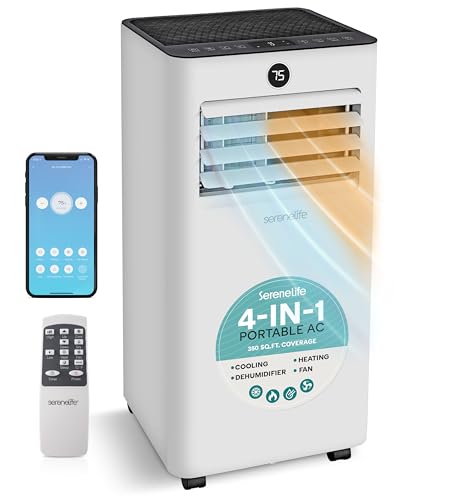
These are room-level solutions rather than whole-home systems. They are practical for renters, single rooms, and seasonal use. The heating and cooling window units and heating and cooling portable air conditioner guides cover their practical applications.
System type and tier are related but distinct. A ductless mini-split can be entry-level or premium; the same applies to split systems. The decision should begin with the home's physical constraints and comfort goals, then move to tier selection.
Efficiency Ratings That Matter
Efficiency ratings translate equipment performance into a comparable metric. For a heating and cooling unit, two ratings carry the most weight:
- SEER2 (Seasonal Energy Efficiency Ratio 2). The updated cooling efficiency metric, adjusted for modern duct and blower conditions. Higher SEER2 ratings indicate more efficient cooling. Federal minimums vary by region, so a system that is above-minimum in one region may be near the floor in another.
- HSPF2 (Heating Seasonal Performance Factor 2). The updated heating efficiency metric for heat pumps. A higher HSPF2 indicates more efficient heating performance across the season.
In addition to these two, the EER2 rating measures efficiency at a single peak design condition, which is useful for understanding performance during the hottest hours. Systems with strong SEER2 and EER2 ratings tend to perform well across varied cooling conditions.
ENERGY STAR certification indicates that a system meets a recognized threshold above the federal minimum. A high efficiency heating and air conditioning system typically sits in the premium tier or above. It is important to remember that the installed efficiency of a system depends on proper sizing, ductwork condition, and commissioning — the nameplate rating is a starting point, not the final word.
Higher efficiency generally correlates with higher tiers, but the relationship is not linear. A mid-range two-stage system can deliver strong practical efficiency for many homes, while a premium variable-speed system may be the better fit in climates with long, demanding seasons.
Installation and Site Considerations
Installation is where the theoretical tier meets the practical home. Several site-specific factors influence the overall project scope:
- Ductwork condition. Existing ducts may need sealing, insulation, or redesign. Leaky ducts can undermine even a premium-tier system's efficiency. A duct assessment should precede any final decision.
- Electrical capacity. Heat pumps and higher-capacity systems may require a dedicated circuit or panel upgrade. This is a common variable in retrofit projects.
- Line-set routing and placement. The distance between indoor and outdoor units, the routing path, and outdoor clearances all affect installation complexity and the practical performance of the system.
- Permits and code compliance. Local codes govern refrigerant handling, electrical work, and equipment placement. Working with a licensed contractor keeps the project compliant and protects warranties.
- Site-specific load calculation. A room-by-room load calculation ensures the system is sized to the actual envelope, window area, insulation, and occupancy. Oversizing and undersizing both harm comfort and efficiency.
For mobile and smaller homes, the installation profile differs. The heating and air conditioning units for mobile homes guide addresses the specific constraints, while heating and cooling options for small homes covers compact configurations. When comparing providers, the heating and air conditioning overview offers a broader view of system categories and service structures.
Long-Term Ownership and Maintenance
The tier you choose also shapes the long-term ownership experience. Entry-level systems are straightforward to maintain and have predictable service profiles. Mid-range and premium systems add variable-speed components and advanced controls, which are generally reliable but may require technician familiarity with the specific platform.
Maintenance practices that apply across all tiers include:
- Replacing or cleaning air filters on a regular schedule — the single most impactful maintenance task.
- Scheduling professional servicing twice per year, once before the cooling season and once before the heating season.
- Keeping outdoor units clear of debris and vegetation.
- Monitoring thermostat behavior and scheduling setback periods when the home is unoccupied.
- Addressing unusual noises, water leakage, or reduced performance early, before they compound.
Duct cleaning and ventilation maintenance are also part of a complete ownership plan. The heating and air duct cleaning guide explains when duct cleaning is worthwhile. For a broader view of service options, the heating and cooling service overview is a useful reference.
Long-term investment value is highest when a system is correctly sized, properly installed, and consistently maintained. The tier is a starting point; the installation and maintenance determine how much of that tier's potential is realized.
How to Choose the Right Tier for Your Home
Choosing the right tier is a matter of matching the system's capabilities to the home's demand profile. A practical decision sequence looks like this:
- Define the scope. Is this a whole-home system, a single-zone addition, or a replacement of one component? Scope sets the tier boundaries.
- Assess the envelope. Insulation, window quality, and air sealing determine how much capacity and efficiency the home actually needs. A well-sealed home may benefit more from a mid-range system than an oversized premium one.
- Estimate the load. A professional load calculation is the foundation of correct sizing. Room-by-room calculations support zoning decisions.
- Match the tier to the climate. Long cooling or heating seasons justify higher-tier efficiency; milder climates may be well served by entry-level or mid-range systems.
- Compare like-for-like. Compare quotes at the same tier, with the same efficiency ratings and the same scope of work. This makes the comparison meaningful.
- Verify the contractor. Licensing, insurance, warranty terms, and commissioning practices matter as much as the equipment tier. The heating and air contractors in my area resource helps you evaluate local providers.
For buyers who prefer to research equipment options directly before speaking with contractors, the heating and air conditioning units for sale and heating and air units pages provide starting points. The heating and cooling units for individual rooms guide is useful for room-level decisions.
Ready to Compare Systems?
Browse recommended heating and cooling units below, organized by configuration and tier, to find the system that matches your home's demand profile.
View Recommended UnitsFrequently Asked Questions
What determines the overall investment in a heating and cooling unit?
The overall investment is shaped by system capacity, efficiency tier, brand positioning, installation complexity, ductwork condition, and regional climate demands. Entry-level systems meet basic requirements, while premium tiers add variable-speed compressors, advanced controls, and higher seasonal efficiency ratings. Comparing quotes at the same tier is the most reliable way to evaluate options.
How does system type influence the tier classification?
Split systems, ductless mini-splits, packaged units, and heat pumps each span multiple tiers. Ductless mini-splits often occupy mid-range to premium tiers due to zoning flexibility. Central split systems range from entry-level to luxury depending on SEER2 ratings and variable-speed technology. The tier reflects the combination of compressor technology, efficiency, build quality, and controls.
Which efficiency rating matters most for long-term operation?
SEER2 for cooling and HSPF2 for heating are the primary metrics. Higher-tier systems with SEER2 ratings well above the federal minimum deliver better long-run efficiency, particularly in climates with long cooling or heating seasons. ENERGY STAR certification indicates a baseline of above-average efficiency. EER2 is useful for understanding peak-condition performance.
Are ductless systems suitable for homes without existing ductwork?
Yes. Ductless mini-splits are an excellent fit for homes without ductwork, additions, and room-by-room zoning. They avoid duct losses entirely and are available from entry-level single-zone models to premium multi-zone inverter systems with heat pump capability. The ductless configuration is often the most practical path for retrofits.
How often should a heating and cooling system be serviced?
Professional servicing is recommended twice per year, ideally once before the cooling season and once before the heating season. Regular filter replacement, coil cleaning, and thermostat checks preserve efficiency and extend the working life of the equipment. Addressing small issues early prevents larger service events later.