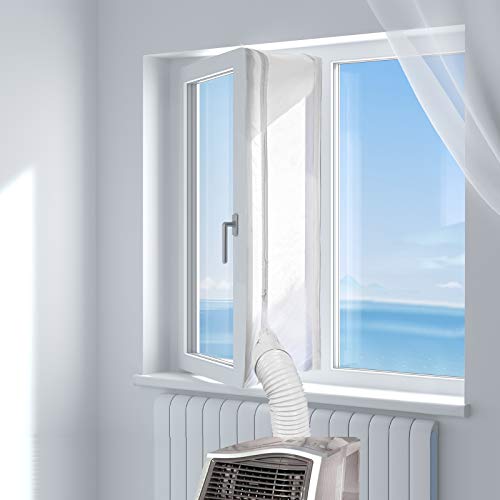
How to Use a Portable AC Without a Window
Discover practical venting methods, setup strategies, and effective cooling solutions for windowless rooms, basements, and interior spaces
EXPLORE VENTING METHODSQuick Answer: A portable AC without a window is entirely possible. Most portable units require exhaust venting, but you can route the hot air through a sliding door, drop ceiling, wall vent, dryer vent, or even a temporary window insert. For true windowless spaces, consider ventless evaporative coolers or ductless mini-split systems. This guide covers every method in detail.
Why You Might Need a Portable AC Without a Window
Portable air conditioners are popular because they are movable, easy to install, and require no permanent modifications. However, most people assume they only work in rooms with a traditional double-hung window. The reality is that millions of homes, apartments, basements, and offices have limited or no window access, yet still need reliable cooling.
Common scenarios include:
- Basements and interior rooms with no exterior walls or windows
- Apartments with sealed or fixed windows that cannot accommodate a window unit
- Home offices or converted garages where installing a permanent system is impractical
- Rental properties where structural modifications are not permitted
- Rooms with sliding glass doors instead of traditional windows
Understanding how an air conditioner works is the first step. Portable units pull in warm indoor air, cool it, and then exhaust hot air and moisture through a hose. That exhaust must go somewhere. The good news is that "somewhere" does not have to be a traditional window.
How a Portable AC Works (and Why Venting Matters)
A portable air conditioner operates on a simple principle: it absorbs heat from the room and releases it outside. Inside the unit, refrigerant circulates through an evaporator coil and a condenser coil. A fan blows room air over the cold evaporator coil, cooling it and sending it back into the room. Meanwhile, a second fan pushes heat through the condenser coil and out through the exhaust hose.
If that exhaust hose is not properly vented, the hot air re-enters the room. The unit will run continuously without lowering the temperature, and the room may actually become warmer. This is why every portable AC installation guide emphasizes proper venting.
There are two categories of portable cooling devices:
- Single-hose portable AC: Draws room air, cools it, and exhausts hot air through one hose. This creates negative pressure, which can pull warm outside air back into the room through gaps.
- Dual-hose portable AC: Uses one hose to draw in outside air for cooling the condenser and a second hose to exhaust hot air. This maintains neutral pressure and is generally more efficient.
Both types require exhaust venting. If you are researching how to install a portable air conditioner without a window, the methods below will guide you through every viable option.
7 Venting Methods for Portable AC Without a Window
1. Sliding Glass Door Vent
Use a sliding door vent kit with a sealed panel that fits into the door frame. The hose connects to the panel, and the door closes against it. Ideal for apartments and rooms with patio doors.
Best for: Living rooms, apartments, rental units
2. Drop Ceiling Vent
In basements or offices with drop ceilings, route the exhaust hose into the plenum space above the tiles. Ensure the space vents to the exterior or is large enough to dissipate heat safely.
Best for: Basements, commercial spaces, offices
3. Dryer Vent Connection
If your room has a dryer vent nearby, you can connect the portable AC hose to it using an adapter. This is one of the cleanest solutions because the vent already leads outside.
Best for: Laundry rooms, utility rooms, basements
4. Wall Vent Installation
Install a permanent wall vent (similar to a dryer vent) through an exterior wall. This requires drilling and sealing but provides the most professional and efficient exhaust path.
Best for: Homeowners, permanent installations, garages
5. Temporary Window Insert
If you have a small window that does not open fully, use a plexiglass or wooden insert with a hose hole. Seal the edges with foam or weatherstripping. This works for casement and awning windows.
Best for: Fixed windows, casement windows, small openings
6. Ductless Mini-Split System
For truly windowless rooms, a ductless mini-split is the most effective long-term solution. It requires no window and mounts directly on a wall. Learn more about how inverter technology improves efficiency.
Best for: Permanent cooling, interior rooms, year-round use
7. Evaporative Cooler (Swamp Cooler)
Evaporative coolers do not require exhaust venting. They add moisture to the air and work best in dry climates. They are not true air conditioners but can provide relief in low-humidity environments.
Best for: Dry climates, small rooms, temporary relief
Step-by-Step Setup Guide
Once you have chosen a venting method, follow these steps to set up your portable AC correctly:
- Choose the right location: Place the unit near your venting solution and on a level surface. Keep it away from direct sunlight and obstructions.
- Connect the exhaust hose: Attach the hose to the unit and route it to your chosen vent. Keep the hose as straight and short as possible to maximize airflow.
- Seal the vent opening: Use foam, weatherstripping, or a vent kit panel to prevent hot air from re-entering the room. Proper sealing is critical for efficiency.
- Drain the unit: Most portable ACs collect condensation. Set up continuous drainage if possible, or empty the tank regularly. Learn about managing humidity without a dehumidifier.
- Turn on and test: Run the unit on fan mode first, then switch to cool mode. Check for air leaks around the vent and adjust as needed.
- Maintain regularly: Clean the filter every two weeks and check the exhaust hose for kinks or damage.
Pro Tip: For single-hose units, create a slight positive pressure in the room by opening an interior door or using a small fan. This reduces the negative pressure effect that pulls hot outside air in through gaps. If you want to test your setup efficiency, read our guide on how to test a new AC installation.
Venting Methods Compared
The table below compares each method by difficulty, effectiveness, and the type of space it suits best.
| Method | Difficulty | Effectiveness | Best For |
|---|---|---|---|
| Sliding Glass Door Vent | Easy | High | Apartments, living rooms |
| Drop Ceiling Vent | Moderate | Medium | Basements, offices |
| Dryer Vent Connection | Moderate | High | Laundry rooms, utility rooms |
| Wall Vent Installation | Advanced | Very High | Permanent installations, garages |
| Temporary Window Insert | Easy | Medium | Fixed windows, small openings |
| Ductless Mini-Split | Professional | Highest | Year-round cooling, interior rooms |
| Evaporative Cooler | Easy | Low to Medium | Dry climates, small spaces |
Safety and Efficiency Tips
Using a portable AC without a window requires extra attention to safety and efficiency. Keep these guidelines in mind:
- Never vent into enclosed spaces: Do not exhaust hot air into an attic, crawlspace, or another room. It must go outdoors or into a large, ventilated space.
- Check for carbon monoxide risks: Portable ACs do not produce carbon monoxide, but if you are using a temporary vent near a gas appliance, ensure proper ventilation.
- Insulate the exhaust hose: Wrap the hose in an insulating sleeve to prevent heat from radiating back into the room.
- Use dual-hose units when possible: They are more efficient and maintain neutral room pressure. If you are comparing unit types, our guide on using a window AC without a window offers additional context on alternative cooling options.
- Monitor humidity: Portable ACs remove some moisture, but in humid climates you may need additional dehumidification. Learn how to lower humidity in a room effectively.
- Regular maintenance: Clean filters, check drainage, and inspect the hose for wear. Proper maintenance extends the life of your unit. If you are wondering how long an AC lasts, maintenance is the biggest factor.
When a Portable AC Is Not the Best Choice
Portable ACs are convenient, but they are not ideal for every situation. Consider alternatives in these cases:
- Large rooms: Portable units struggle to cool spaces over 400 square feet. A whole-house air conditioner or central system is more effective.
- Permanent installations: If you own your home and need year-round cooling, a wall-mounted AC unit or mini-split is a better long-term investment.
- Extreme humidity: Portable ACs are not dehumidifiers. If humidity is your primary concern, explore ways to reduce humidity without a dehumidifier or invest in a dedicated unit.
- Noise sensitivity: Portable ACs are generally louder than window units or mini-splits. If noise is a concern, a ductless system is quieter.
For rooms with existing ductwork, a central air system or house central air conditioning unit may already be the most efficient option. If your current system is not cooling properly, check our guide on why a house AC turns on but produces no cold air.
Frequently Asked Questions
Can a portable AC work without any venting at all?
No. Single-hose and dual-hose portable ACs must exhaust hot air. Without venting, the unit will not cool the room effectively and may overheat. The only exception is an evaporative cooler, which uses water evaporation rather than refrigerant and does not require exhaust venting.
Can I vent a portable AC into another room?
Venting into another room is not recommended because it transfers heat rather than removing it. The receiving room will become uncomfortably warm. Always vent outdoors or into a large, well-ventilated space like a garage with an open door.
What is the best portable AC for a basement without windows?
For basements, a dual-hose portable AC with a drop ceiling vent or dryer vent connection is the most effective. If the basement has no exterior access at all, a ductless mini-split is the best long-term solution. Look for units with a high EER rating and built-in dehumidification.
How do I seal a sliding door vent kit properly?
Most sliding door kits include foam seals and adjustable panels. Measure the door opening, cut the foam to size, and press the panel firmly into the frame. Use weatherstripping or caulk for gaps. The goal is to prevent hot outdoor air from entering around the vent panel.
Can I use a portable AC in a room with no exterior walls?
Yes, but you need a venting path. Options include routing the hose through a drop ceiling, connecting to a dryer vent, or installing a wall vent that leads to an adjacent exterior wall. If none of these are possible, a ductless mini-split or evaporative cooler is a better choice.
How often should I drain my portable AC?
Most portable ACs require draining every 8 to 12 hours of operation in humid conditions. Some models offer continuous drainage via a hose connection, which eliminates manual emptying. Check your unit's manual for specific recommendations.
Final Thoughts
Using a portable AC without a window is entirely achievable with the right venting strategy. Whether you choose a sliding door kit, a dryer vent adapter, a drop ceiling route, or a permanent wall vent, the key is to ensure hot air exits the room and does not recirculate.
For temporary relief in dry climates, an evaporative cooler is a ventless option. For permanent cooling in windowless rooms, a ductless mini-split is the most efficient and reliable solution. Whichever path you choose, proper installation, sealing, and maintenance will determine how well your space stays cool.
If you are still evaluating your overall cooling needs, our guide on how a house air conditioner condenser works and how to get an installation quote can help you make a confident decision.