
What Is a Good Humidity Level for Home?
Discover the ideal indoor humidity range, how moisture affects your health and comfort, and practical ways to keep your home balanced year-round.
Updated November 2026 · Complete Home Humidity GuideQuick Answer: A good humidity level for home is generally 30% to 50% relative humidity. This range keeps your air comfortable, discourages mold and dust mites, and helps your HVAC system run efficiently. Below 30% feels dry; above 50% feels muggy and invites moisture problems.
Why Indoor Humidity Matters
Humidity is the amount of water vapor in the air. It affects how warm or cool you feel, how well you sleep, and even the structural health of your home. When humidity is balanced, you feel comfortable at normal thermostat settings. When it drifts out of range, you notice it in your skin, your sinuses, your energy bills, and sometimes in the form of condensation on windows or musty odors in closets.
Relative humidity (RH) is the metric most home hygrometers report. It compares the actual moisture in the air to the maximum moisture the air could hold at that temperature. A 45% RH reading means the air is holding 45% of its capacity. Because warm air holds more moisture than cool air, the same absolute moisture level produces different RH readings in summer and winter — which is why the ideal range shifts slightly with the seasons.
The Ideal Humidity Range for a Home
Most building scientists, HVAC professionals, and health organizations converge on 30% to 50% relative humidity as the healthy sweet spot for indoor living spaces. Within that band, most people feel comfortable, and the risks of mold, dust mites, and dryness-related irritation stay low.
| Humidity Range | Category | What It Feels Like | Best For |
|---|---|---|---|
| Below 30% | Too dry | Dry skin, static, scratchy throat | Rarely ideal; may suit some allergy management |
| 30% – 40% | Dry side of ideal | Fresh, crisp air | Winter, cold climates, sleeping |
| 40% – 50% | Optimal | Comfortable, neutral | Year-round living areas, most homes |
| 50% – 60% | Humid side | Slightly sticky, heavier air | Short-term only; monitor for mold |
| Above 60% | Too humid | Muggy, clammy, musty | Not recommended for living spaces |
If you want a more granular look at seasonal targets, the guide on what humidity should my house be in summer explains how to adjust the range when outdoor heat and moisture climb. For a general reference, the article on what indoor humidity should be covers the core numbers in more detail.
Summer vs. Winter Humidity Targets
Outdoor conditions change the moisture load on your home, so the target range shifts a little depending on the season.
Summer: Aim for 40% to 50%
In hot, humid months, indoor humidity can climb quickly. Air conditioning removes moisture as a byproduct of cooling, but if the system is oversized or runs in short bursts, it may not dehumidify enough. Keeping indoor RH at 40% to 50% helps you feel cooler at a higher thermostat setting and reduces the chance of mold in bathrooms, basements, and closets. If your home consistently reads above 55% in summer, consider a standalone dehumidifier or a whole-house dehumidifier integrated with your HVAC system.
Winter: Aim for 30% to 40%
Cold outdoor air holds very little moisture. When it leaks into your home and warms up, the relative humidity drops. A humidifier can help, but over-humidifying in winter causes condensation on cold windows and exterior walls, which can lead to mold and wood rot. A winter target of 30% to 40% is comfortable and protects your home’s building envelope. For a deeper seasonal breakdown, see what should indoor humidity be in the winter.
What Happens When Humidity Is Too High?
Excess moisture is one of the most common hidden problems in homes. When relative humidity stays above 50% for extended periods, several issues emerge:
Mold and Mildew
Mold spores thrive when RH exceeds 60%. Visible mold often appears on drywall, grout, and window frames. It can trigger allergies and asthma symptoms.
Dust Mites
Dust mites multiply fastest at 70% to 80% RH. Keeping humidity below 50% is one of the most effective ways to reduce their population.
Musty Odors
A persistent musty smell is often the first sign of trapped moisture in carpets, furniture, or ductwork. It usually means humidity is too high.
Higher Cooling Load
Humid air feels warmer, so you may lower the thermostat to compensate. That makes your air conditioning system work harder and use more energy.
Condensation and Rot
Moisture can collect on cold surfaces, including window glass, exterior walls, and attic sheathing, eventually damaging wood and insulation.
Respiratory Discomfort
High humidity can make breathing feel heavier and aggravate asthma. It also encourages the spread of some airborne irritants.
If your home regularly feels clammy, the article on what to do about high humidity in house walks through practical fixes, from ventilation improvements to dehumidification strategies.
What Happens When Humidity Is Too Low?
Dry air is less visible than mold, but it still affects comfort and health. When indoor RH drops below 30%, you may notice:
- Dry skin and chapped lips — moisture evaporates from your skin faster in dry air.
- Static electricity — shocks from doorknobs and synthetic fabrics become common.
- Respiratory irritation — dry nasal passages and throat can feel scratchy and make you more susceptible to colds.
- Wood damage — hardwood floors, furniture, and musical instruments can crack or warp as they lose moisture.
- Higher heating demand — dry air feels cooler, so you may raise the thermostat to stay comfortable.
For a closer look at the dry end of the spectrum, see what is considered low humidity in a house. If a bedroom feels too dry at night, the guide on what to use for dry air in bedroom covers humidifier options and placement tips.
Room-by-Room Humidity Considerations
Not every room needs the same humidity level. Some spaces generate moisture, while others are more sensitive to it.
Living Areas and Bedrooms
These are the rooms where comfort matters most. Aim for 40% to 50% year-round. If you sleep with the door closed and the AC running, the room may drift slightly drier at night, which is usually fine as long as it stays above 30%.
Bathrooms
Bathrooms produce a lot of moisture in short bursts. Use an exhaust fan during and after showers to bring humidity back toward the 40% to 50% range. Persistent high humidity in a bathroom is a common cause of mold on grout and ceilings.
Basements
Basements are naturally cooler and often more humid than the rest of the house. A target of 30% to 50% is still appropriate, but basements may need a dedicated dehumidifier to stay in range. The article on what should your basement humidity be provides basement-specific guidance.
Kitchens
Cooking releases steam and moisture. Run the range hood when boiling water or using the oven, and keep the kitchen within the same 40% to 50% target as the rest of the home.
How to Measure Humidity in Your Home
You cannot manage what you do not measure. A simple hygrometer is the most direct way to check indoor humidity. Many smart thermostats also report RH, and some HVAC systems include humidity sensors as part of their control package.
- Placement matters. Put the hygrometer in a central living area, about 4 to 5 feet above the floor, away from direct sunlight, vents, and bathrooms.
- Check at different times. Humidity fluctuates throughout the day. Take readings in the morning, afternoon, and evening to see patterns.
- Compare rooms. If one room reads much higher than others, investigate local moisture sources such as leaks, poor ventilation, or damp crawl spaces.
For a broader explanation of how your cooling system interacts with moisture, the article on what is air conditioning explains the dehumidification side of the cooling process.
Ways to Control Indoor Humidity
Once you know your baseline, you can bring humidity into the ideal range with a mix of ventilation, HVAC adjustments, and targeted equipment.
1. Use Your AC Effectively
Air conditioners remove moisture as they cool. To get the dehumidifying benefit, avoid oversized systems that cool too quickly and shut off before moisture is removed. A properly sized unit running longer cycles does a better job. If you are evaluating system efficiency, the guide on what is SEER rating explains how efficiency ratings relate to performance.
2. Add a Dehumidifier When Needed
Portable dehumidifiers work well for single rooms or basements. For whole-home control, a whole-house dehumidifier integrates with your ductwork and manages moisture across every room.
3. Improve Ventilation
Bathroom and kitchen exhaust fans remove moisture at the source. A whole-house ventilation system can bring in filtered outdoor air and exhaust stale, humid indoor air, especially useful in tightly sealed modern homes.
4. Use a Humidifier in Dry Seasons
In winter or in arid climates, a whole-house humidifier adds moisture to keep the air from becoming too dry. Portable humidifiers are a simpler option for single rooms.
5. Seal Air Leaks
Gaps around windows, doors, and penetrations let humid outdoor air in during summer and dry air in during winter. Sealing these leaks helps maintain a stable indoor humidity level and improves overall energy efficiency.
Signs Your Home Humidity Is Off Balance
Your home often tells you when humidity is out of range before you check a hygrometer. Watch for these signals:
Too Humid
Condensation on windows, musty odors, mold spots, clammy air, and allergy symptoms that worsen indoors are common signs of excess moisture.
Too Dry
Static shocks, dry skin, cracked wood furniture, and frequent nosebleeds or sore throats point to low humidity.
If you suspect a larger moisture problem, such as a leak or a failing HVAC component, the article on when to call HVAC technician explains when professional help is warranted.
Humidity and Your HVAC System
Your heating and cooling system plays a central role in humidity control. In cooling mode, the evaporator coil condenses water vapor from the air, which drains away. That is why a properly running AC naturally lowers indoor humidity. But if the system is oversized, short-cycling, or low on refrigerant, dehumidification suffers.
In heating mode, a furnace does not remove moisture, and in fact, heating cold outdoor air lowers relative humidity inside. That is why winter humidity control usually requires a humidifier. A whole-house humidifier connected to your ductwork can maintain a steady winter RH without constant refilling.
If you are evaluating system upgrades, understanding the difference between non-inverter and inverter AC can help you choose a unit that modulates its output and dehumidifies more consistently than a single-speed system.
Frequently Asked Questions
What is a good humidity level for home?
A good humidity level for home is 30% to 50% relative humidity. This range supports comfort and health while discouraging mold growth and dust mites. Keep it closer to 30% to 40% in winter and 40% to 50% in summer.
What is the ideal indoor humidity for sleeping?
Aim for 30% to 50% in the bedroom. Slightly lower humidity (around 30% to 40%) often feels more comfortable at night, but avoid dropping below 30% to prevent dry throat and sinus irritation.
Should humidity be different in summer and winter?
Yes. Summer targets of 40% to 50% keep the air comfortable and reduce mold risk. Winter targets of 30% to 40% prevent condensation on cold windows and walls.
What happens if humidity is too high in a house?
High humidity above 50% to 60% encourages mold, dust mites, and musty odors. It can also make the air feel warmer, causing your AC to work harder and increasing energy use.
What happens if humidity is too low in a house?
Low humidity below 30% causes dry skin, static electricity, and respiratory irritation. It can also damage wood furniture and flooring by causing them to crack or warp.
How can I measure humidity in my home?
Use a hygrometer, available as a standalone device or built into many smart thermostats. Place it in a central living area away from direct sunlight, vents, and moisture sources for accurate readings.
Take Control of Your Home Comfort
Balanced humidity is one of the simplest ways to improve indoor comfort and protect your home. Explore the full library of HVAC guides to make informed decisions.
Explore Healthy Humidity GuidesRelated Guides
- What Humidity Should My House Be in Summer?
- What Indoor Humidity Should Be
- What Is a Healthy Humidity Level for Your Home?
- What Is the Ideal Humidity for Your Home?
- What Should the Humidity Level in a House Be?
- What to Do About High Humidity in House
- What Is Considered Low Humidity in a House?
- Whole House Dehumidifier Guide
- Whole House Humidifier Guide
- What Does HVAC Stand For?
- What Is SEER Rating?
Recommended Humidity Control Products
⚠️ AFFILIATE DISCLOSURE: This website contains affiliate links. As an Amazon Associate, we earn from qualifying purchases. If you make a purchase through these links, we may receive a small commission at no additional cost to you. Read our full affiliate policy.

General Tools MM8 Pinless Moisture Meter for Wood, Walls & Mold Detection | Non-invasive wood moisture meter for walls, drywall & lumber. Mold detector for home moisture & humidity moisture testing.
Check price on Amazon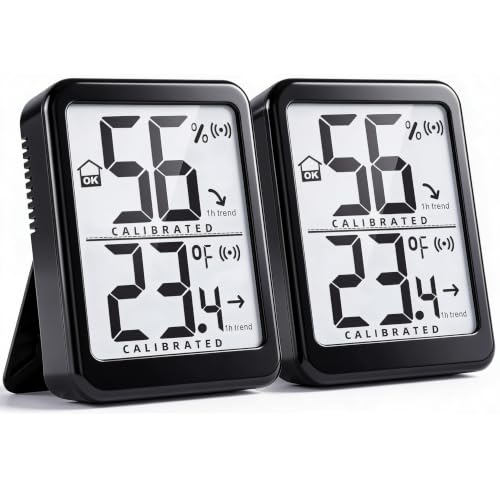
2-Pack Digital Room Thermometer Hygrometer with Battery | Accurate indoor temp/humidity for home, baby nursery, reptile terrarium & greenhouse. Includes batteries, easy to read
Check price on Amazon
MAVORI 3 x Digital Hygrometer Thermometer for Indoor – Mini Humidity Meter with Accurate Sensor Temperature and Humidity Monitor for Home, Humidor, Reptile Tank – Fahrenheit (℉) /Celsius(℃)
Check price on Amazon
Vicks Humidity Monitor with Easy-to-Read Display, White | Track Indoor Humidity Levels to Help Maintain a More Comfortable Home Environment
Check price on Amazon
Fil-Fresh 16 in 1 Air Quality Monitor Indoor, CO2 Detector, 9 AQI+7 Alerts | All in One Air Quality Tester for CO2 TVOC HCHO PM2.5 PM1.0 PM10 Time Temperature Humidity, for Home, 3D Printing, 7" Display
Check price on Amazon
TOPGREENER Dual Tech Humidity Motion Sensor Switch for Bathroom Fan & Light | PIR + humidity sensors automate fan/light. Adjustable timing & humidity levels. Neutral wire required. UL listed. Ivory
Check price on Amazon
Honeywell Home HC26P Whole House Humidifier Pad 10 x 13 x 1.5 inches | HC26P
Check price on Amazon