HVAC Maintenance: The Complete Guide to a Reliable, Efficient System
Discover the routine care, seasonal checklists, and professional service schedules that keep your air conditioner running smoothly, cut energy waste, and extend the life of your equipment.
Jump to Seasonal ChecklistWhy HVAC maintenance matters: A well-maintained cooling system delivers consistent comfort, uses less energy, and avoids the sudden breakdowns that always seem to happen on the hottest day of the year. Whether you own a central system, a ductless mini-split, or a window unit, a simple maintenance routine protects your investment and keeps indoor air healthier. This guide walks you through every task — from the five-minute filter check to the annual professional tune-up.
The Core Pillars of HVAC Maintenance
Effective maintenance rests on four pillars: airflow, cleanliness, mechanical integrity, and refrigerant health. Each pillar supports the others. Restricted airflow forces the compressor to work harder; dirty coils reduce heat transfer; worn electrical components increase the risk of failure; and low refrigerant signals a leak that must be found and repaired by a licensed technician. Understanding these pillars helps you prioritize tasks and recognize when to call a professional.
Homeowners who follow a structured maintenance plan often report fewer service calls and steadier indoor temperatures. If you are unsure how your current system is performing, scheduling a professional assessment through a trusted HVAC service provider is a smart first step before the cooling season begins.
DIY Maintenance Tasks You Can Do Safely
These tasks require no specialized tools and take only minutes, yet they deliver the largest return on effort. Always turn off the system at the thermostat and the breaker before inspecting internal components.
1. Replace or Clean the Air Filter
The filter is the single most important maintenance item. A clogged filter chokes airflow, strains the blower motor, and allows dust to coat the evaporator coil. Check the filter monthly during peak cooling season. Standard 1-inch pleated filters typically last 60 to 90 days; homes with pets or allergy sufferers should replace them every 30 to 45 days. Reusable filters should be washed according to the manufacturer's instructions and fully dried before reinstalling.
2. Keep the Outdoor Condenser Clean
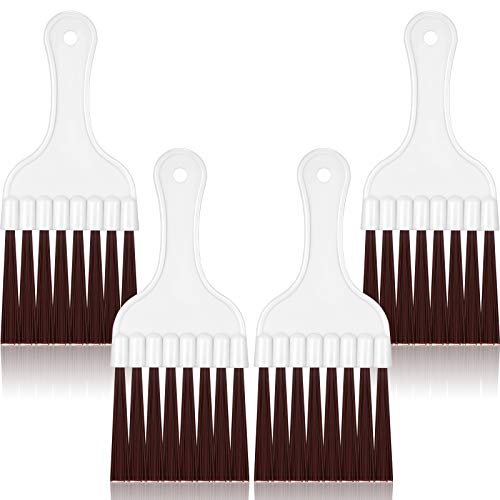
The outdoor unit releases heat absorbed from your home. Leaves, grass clippings, and cottonwood fluff block the coil fins and reduce efficiency. Gently rinse the coil with a garden hose from the inside out, and clear debris from the top grille. Trim vegetation so there is at least two feet of clearance on all sides, and never stack items against the unit.
3. Clear the Condensate Drain
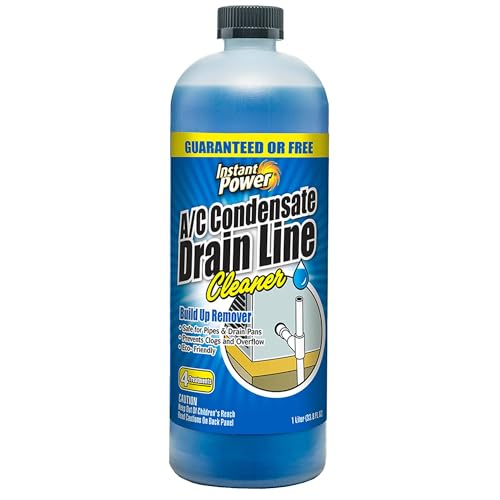
As the system cools, it removes humidity and produces condensate. A clogged drain line can trigger a shutdown or cause water damage. Pour a cup of distilled vinegar through the drain port every few months to deter algae growth. If you notice standing water near the indoor unit, address it immediately.
4. Check the Thermostat
Replace thermostat batteries annually and verify that the settings match your schedule. A programmable or smart thermostat that is incorrectly configured wastes energy. If you are exploring upgrades, the inverter vs non-inverter comparison explains how compressor technology influences efficiency and maintenance needs.
5. Inspect the Indoor Unit and Ductwork
Look for frost on refrigerant lines, moisture stains, or unusual odors. In ducted systems, disconnected or torn duct sections leak conditioned air into attics and crawl spaces. Sealing those leaks is a high-impact improvement covered in our broader guide to HVAC maintenance fundamentals.
Never open the electrical panel or handle refrigerant lines yourself. Capacitors can hold a dangerous charge even after power is disconnected, and refrigerant handling is regulated. Leave those tasks to a licensed technician found through a reputable HVAC service company.
What a Professional Tune-Up Includes
An annual professional visit goes far beyond what homeowners can safely perform. A qualified technician will measure refrigerant charge, test electrical components, inspect the blower assembly, evaluate airflow, and clean components that require disassembly. These checks catch small problems before they become failures.
| Service Component | What the Technician Checks | Why It Matters |
|---|---|---|
| Refrigerant charge | Superheat and subcooling measurements | Improper charge reduces capacity and can damage the compressor |
| Electrical system | Capacitors, contactors, wiring connections | Loose connections cause voltage drops and premature failure |
| Evaporator and condenser coils | Deep cleaning and fin inspection | Clean coils restore heat-transfer efficiency |
| Blower motor | Bearing wear, amp draw, wheel balance | Ensures consistent airflow and quiet operation |
| Condensate system | Drain pan, trap, and line flush | Prevents water damage and microbial growth |
| Thermostat calibration | Accuracy and cycle timing | Maintains comfort and avoids short cycling |
If your system is aging and repairs are accumulating, a professional can help you weigh options. Our resources on HVAC replacement and finding a repair technician explain how to plan the next step without guesswork.
Seasonal Maintenance Checklist
Use this schedule to stay ahead of problems. The tasks below are organized by season and assume a typical split-system air conditioner; ductless mini-splits and window units follow a similar rhythm with fewer outdoor components.
Spring — Prepare for Cooling
- Replace the air filter
- Clear debris from the condenser
- Schedule a professional tune-up
- Test the thermostat in cooling mode
- Flush the condensate drain
Summer — Peak Season Care
- Check the filter monthly
- Rinse the outdoor coil as needed
- Watch for ice on refrigerant lines
- Keep vents unobstructed
- Listen for unusual noises
Fall — Transition Season
- Clean coils before dormant months
- Inspect and seal ductwork
- Test heating mode if applicable
- Replace thermostat batteries
- Schedule a pre-winter inspection
Winter — Off-Season Protection
- Cover the outdoor unit if recommended
- Keep snow and ice away from the cabinet
- Run the system briefly monthly
- Review maintenance records
- Plan spring service early
Maintenance by System Type
Different configurations demand slightly different attention. Central systems rely on ductwork and a single air handler; ductless mini-splits have individual indoor heads with reusable filters; window and portable units require periodic filter washing and drain-tank emptying. If you operate a mini-split, the guide to mini-split AC systems covers filter care and outdoor unit placement in more detail. For central systems, understanding residential HVAC configurations helps you locate components and know what each service visit should include.
Homeowners with hydronic systems or heat-pump-equipped air handlers should also review hydronic air handler maintenance notes, which differ from conventional forced-air setups. And if your home suffers from persistent humidity, addressing moisture control alongside cooling maintenance is essential — see our advice on ideal indoor humidity levels.
Common Maintenance Mistakes to Avoid
- Running without a filter: This allows dust to coat the evaporator coil and blower wheel, causing expensive damage.
- Using the wrong filter type: Overly restrictive filters can starve airflow in systems not designed for high-MERV filtration.
- Ignoring small leaks: A dripping condensate line or a minor refrigerant leak compounds over time.
- Skipping professional service: DIY care cannot measure refrigerant charge or diagnose electrical degradation.
- Blocking return vents: Furniture placed over return grilles restricts airflow and reduces efficiency.
When to Call a Professional
Call a licensed technician if you notice any of the following: reduced cooling despite a clean filter, unusual grinding or squealing sounds, water pooling around the indoor unit, ice formation on refrigerant lines, or a burning smell. These symptoms can indicate refrigerant leaks, failing motors, or electrical hazards. A prompt visit from a qualified local HVAC repair technician prevents small issues from becoming system failures. For planned upgrades or replacements, comparing quotes through HVAC quotes helps you evaluate options and plan the project with confidence.