Mini Split Attic Air Handler: The Complete Guide
Discover how a mini split attic air handler delivers quiet, efficient comfort to multiple rooms while keeping equipment out of your living space. Learn sizing, installation, and selection essentials before you buy.
Start LearningWhy this matters: A mini split attic air handler sits at the heart of a ducted mini split system. Choosing the right one affects comfort, energy use, and long-term reliability. This guide gives you the knowledge to make a confident decision.
What Is a Mini Split Attic Air Handler?
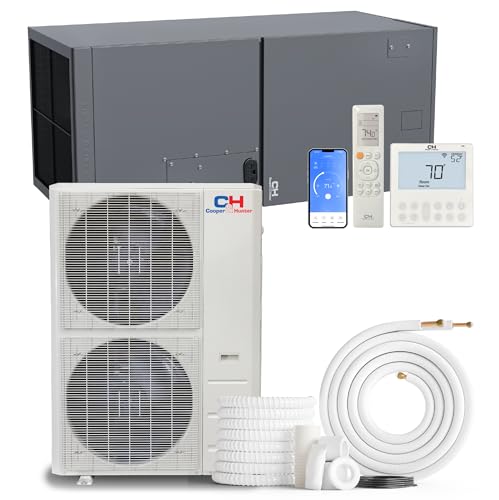
A mini split attic air handler is the indoor unit of a ducted mini split system, installed in the attic rather than mounted on a wall. Unlike a standard wall-mounted mini split head, this air handler connects to a network of ducts that distributes conditioned air to multiple rooms. The outdoor condenser unit works with the indoor air handler to provide cooling and, in many models, heating.
This configuration combines the efficiency and quiet operation of mini split technology with the whole-home coverage of a ducted system. It is particularly useful in homes where wall space is limited or where a single central air handler is impractical. To understand how this fits into broader system options, see our guide on mini split air conditioning units.
Key Benefits of an Attic Air Handler
Quiet Living Spaces
With the air handler tucked in the attic, living areas stay free of equipment noise. You get the comfort of central air without the sound of a blower nearby.
Multi-Room Coverage
Ducted distribution lets a single air handler serve several rooms, making it a practical choice for whole-home comfort with one indoor unit.
High Efficiency
Modern mini split air handlers use inverter-driven compressors and variable-speed blowers to match output to demand, improving efficiency in the long run.
Heating and Cooling
Many models are heat pumps that provide both cooling and heating. Hyper heat versions maintain capacity in colder climates.
Flexible Installation
Attic placement frees up wall and floor space. It also allows duct runs to be routed efficiently through the ceiling.
Improved Air Quality
Ducted systems can incorporate high-quality filtration, helping reduce dust and allergens circulating through your home.
How a Mini Split Attic Air Handler Works
The system operates as a split configuration: an outdoor condenser unit connects via refrigerant lines to the indoor air handler in the attic. The air handler draws return air from the home, conditions it through the evaporator coil, and pushes it through ducts to the rooms. In heating mode, the cycle reverses for heat pump models.
Because the air handler is ducted, the design of the ductwork is critical. Poorly sealed or undersized ducts can reduce efficiency and comfort. For a deeper look at ducted options, see our page on mini split HVAC systems.
Attic Air Handler vs Other Mini Split Indoor Units
| Indoor Unit Type | Best For | Key Consideration |
|---|---|---|
| Attic Air Handler (Ducted) | Whole-home or multi-room coverage | Requires ductwork and attic space; design must be sealed and insulated |
| Wall-Mounted Head | Single room or zone | Simple install, no ducts needed; visible on wall |
| Ceiling Cassette | Rooms with drop ceilings | Even air distribution; requires ceiling space |
| Floor-Mounted Unit | Rooms with limited wall height | Compact footprint; must be placed thoughtfully |
Sizing a Mini Split Attic Air Handler
Correct sizing is the single most important factor in comfort and efficiency. An oversized system cycles on and off frequently, leading to uneven temperatures and higher humidity. An undersized system struggles to keep up during peak demand. The reliable approach is a Manual J load calculation performed by a qualified technician.
Factors that influence sizing include:
- Square footage and ceiling height of the conditioned space
- Insulation levels in walls, ceiling, and attic
- Window area, glazing type, and orientation
- Local climate and design temperatures
- Occupant count and internal heat gains from appliances
Practical tip: Avoid selecting an air handler based on square footage alone. A proper load calculation prevents the most common sizing mistakes and protects your investment.
Installation Considerations for Attic Air Handlers
Attic installations bring unique requirements. The space must be accessible for service, insulated against extreme temperatures, and protected from moisture. Condensate management is essential; a properly sloped drain line and secondary drain pan prevent water damage. Refrigerant line routing and duct connections must be sealed to maintain efficiency.
Professional installation is strongly recommended. A qualified technician ensures correct refrigerant charge, duct sealing, and electrical connections. If you are planning a system, our guide on installing a mini split walks through the process, and mini split line sets explains the refrigerant connection details.
Maintenance Tips for Long-Term Performance
Regular maintenance keeps your system efficient and extends its service life. Key tasks include:
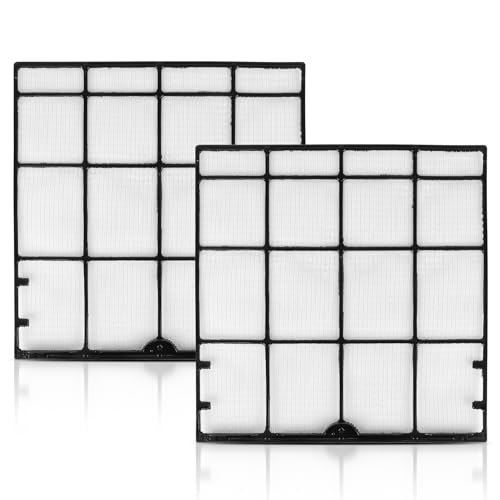
- Replace or clean filters every one to three months
- Inspect and clean the condensate drain line seasonally
- Check duct connections for leaks and seal as needed
- Schedule professional servicing annually to check refrigerant charge and coil condition
- Keep the attic space dry and well ventilated to prevent mold growth
For broader maintenance guidance, see our resources on HVAC maintenance and maintenance HVAC.
How to Choose the Right Mini Split Attic Air Handler
| Category | Best For | What to Look For |
|---|---|---|
| Entry-Level Tier | Single-zone or modest spaces | Basic efficiency, standard filtration, reliable performance |
| Mid-Range Tier | Multi-room homes | Higher efficiency, quieter operation, better filtration options |
| Premium Tier | Whole-home comfort with advanced features | Variable-speed blower, smart controls, enhanced filtration, robust warranty |
| High-End / Hyper Heat | Cold-climate heating and cooling | Maintained heating capacity in low temperatures, advanced defrost controls |
When comparing models, prioritize efficiency ratings, blower type, filtration compatibility, and warranty coverage. For cold climates, hyper heat mini split systems are worth considering. Also review how the system integrates with your existing setup by reading about mini split heating and air conditioning systems.
Frequently Asked Questions
What is a mini split attic air handler?
It is the indoor component of a ducted mini split system installed in the attic. It conditions air and distributes it through ducts to multiple rooms, combining mini split efficiency with central-style coverage.
Is an attic air handler a good idea?
Yes, when properly insulated and sized, an attic air handler can deliver efficient, even comfort across multiple rooms while keeping living spaces quiet and free of visible equipment.
How do I size a mini split attic air handler?
Sizing should follow a Manual J load calculation that accounts for square footage, insulation, window area, climate, and occupant load. Avoid guessing based on square footage alone.
Can a mini split attic air handler also provide heating?
Yes. Many ducted mini split air handlers are heat pumps that provide both cooling and heating. Hyper heat models maintain capacity in colder climates.
What maintenance does an attic air handler need?
Regular filter changes, condensate drain inspection, duct leak checks, and annual professional servicing are the core maintenance tasks. Keeping the attic dry and ventilated is also important.
Ready to Explore Your Options?
Compare features, efficiency ratings, and installation considerations for mini split attic air handlers. Our recommended products below are selected to help you find the right fit for your home.
View Recommendations