Mini Split HVAC Systems: The Complete Homeowner’s Guide
Everything you need to know about ductless mini split heating and cooling — how they work, how to size them, efficiency ratings, installation basics, and maintenance tips to help you choose with confidence.
Start LearningIn This Guide
What Is a Mini Split HVAC System?
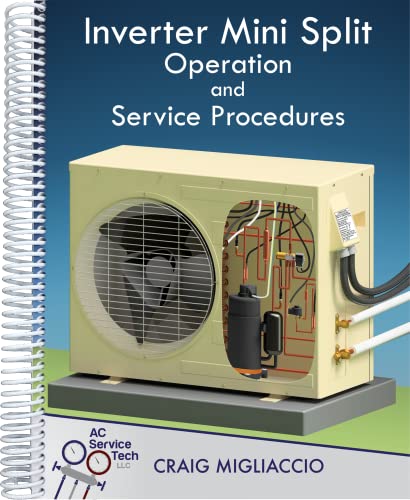
A mini split HVAC system is a ductless heating and cooling solution made up of two main components: an outdoor compressor/condenser unit and one or more indoor air-handling units. Instead of pushing conditioned air through a network of ducts, a mini split delivers treated air directly into the rooms where it is needed. Refrigerant travels between the indoor and outdoor units through a narrow conduit that also houses drainage and electrical wiring.
Because there are no ducts to lose energy along the way, mini splits are highly efficient for targeted cooling and heating. They are especially popular in homes without existing ductwork, in room additions, and in properties where adding central ducting would be disruptive. Modern mini split heat pumps can also provide heating in cooler months, making them a year-round comfort solution.
If you are exploring whether a ductless configuration fits your home, our detailed mini split AC system overview and our guide to installing a mini split AC system are helpful companions to this article. For homes that need whole-house coverage without ducts, a mini split heating and air conditioning system can be designed with multiple zones.
How Mini Split Systems Work
Understanding the basic operation helps you evaluate features and compare models. A mini split HVAC system works on the same refrigeration cycle as a central air conditioner or heat pump, but without the duct network.
The Refrigeration Cycle in Simple Terms
- Absorb heat indoors: The indoor unit’s evaporator coil absorbs heat and humidity from the room air and moves it into the refrigerant.
- Move refrigerant outdoors: A compressor in the outdoor unit pressurizes the refrigerant and pumps it through the line set.
- Release heat outdoors: The condenser coil releases the absorbed heat into the outside air.
- Return cool air inside: The cooled refrigerant returns to the indoor coil, and the cycle repeats, continuously conditioning the room.
Inverter Technology
Most contemporary mini split systems use inverter-driven compressors. Instead of switching on and off at full power, an inverter compressor modulates its speed to match the current load. This smoother operation reduces temperature swings, lowers energy use during partial-load conditions, and extends compressor life. Our comparison of inverter vs non-inverter technology explains the trade-offs in more detail. Many buyers specifically seek a mini split with inverter control for quieter, more stable comfort.
Heat Pump Capability
A mini split heat pump can reverse the refrigeration cycle to provide heating. In heating mode, the outdoor unit absorbs heat from the outside air (even cold air contains heat) and transfers it indoors. Cold-climate models extend this capability to lower outdoor temperatures. If you want a single system for year-round comfort, explore mini split heat pumps for ductless heating and cooling and hyper heat mini split options designed for colder regions.
Types of Mini Split Systems
Mini split systems are available in several configurations. The right choice depends on the number of rooms you want to condition, the layout of your home, and the indoor aesthetics you prefer.
Single-Zone Mini Split
One outdoor unit paired with one indoor unit. Ideal for cooling or heating a single room, studio, garage, or addition. The most straightforward configuration for first-time buyers.
Multi-Zone Mini Split
One outdoor unit connected to two or more indoor units, each controlled independently. Great for conditioning several rooms without installing multiple outdoor units.
Wall-Mounted Indoor Unit
The most common indoor unit style. Mounts high on a wall and distributes air across the room. Widely available and generally the most familiar option.
Ceiling Cassette
Recessed into the ceiling for a clean look and four-way air distribution. Popular in commercial spaces and modern homes where aesthetics matter.
Ducted Mini Split
An indoor air handler connects to short duct runs to serve multiple rooms or conceal the unit. Useful when wall space is limited or a more discreet installation is desired.
Floor-Mounted Mini Split
Installed low on a wall or floor, often used where high-wall mounting is impractical. Offers an alternative placement for rooms with sloped ceilings or limited wall space.
For larger indoor-unit selections, our guides on mini split heads and mini split cassettes break down the differences. If you need a concealed air handler, a mini split attic air handler may suit attic or closet installations.
Sizing: Matching Capacity to Your Space
Correct sizing is one of the most important factors in mini split satisfaction. An undersized unit struggles to keep up on hot days; an oversized unit cools too quickly, cycles frequently, and may leave humidity uncontrolled. Capacity is measured in British Thermal Units (BTU).
Typical Capacity by Room Size
| Indoor Unit Capacity | Typical Room Size | Common Applications |
|---|---|---|
| 9,000 BTU | Up to ~350 sq ft | Bedrooms, small offices, studios |
| 12,000 BTU | ~350–550 sq ft | Living rooms, larger bedrooms |
| 18,000 BTU | ~550–850 sq ft | Open-plan living areas, small apartments |
| 24,000 BTU | ~850–1,200 sq ft | Large living spaces, small homes |
| 36,000 BTU+ | 1,200+ sq ft | Multi-zone systems, large open areas |
These ranges are starting points only. Ceiling height, insulation quality, window area, sun exposure, occupancy, and climate all influence the right capacity. For a more precise calculation, use our BTU calculator by room size and read how to size an air conditioner. If you are targeting a specific space, our guides for a mini split for 500 square feet, 600 square feet, and 1,200 square feet offer practical sizing walkthroughs.
💡 Sizing Tip
Ask your installer whether a load calculation has been performed for each zone. A room-by-room assessment is more reliable than a simple square-footage rule of thumb, especially for multi-zone systems.
Efficiency Ratings Explained
Efficiency ratings help you compare mini split systems on energy performance. Understanding the common metrics makes it easier to interpret product labels and choose a model that fits your climate and usage patterns.
Key Efficiency Metrics
- SEER / SEER2: Seasonal Energy Efficiency Ratio, primarily for cooling. Higher ratings indicate greater cooling efficiency. SEER2 reflects updated testing procedures. See what is SEER rating and SEER vs SEER2.
- EER / EER2: Energy Efficiency Ratio, measured at a single operating condition. Useful for comparing performance on very hot days. Read what is EER rating.
- HSPF / HSPF2: Heating Seasonal Performance Factor, for heat pump heating efficiency. Higher values indicate more efficient heating. See what is HSPF rating.
ENERGY STAR certified models meet efficiency thresholds set by the U.S. Department of Energy. You can learn more in our guide to ENERGY STAR certified AC and review current DOE efficiency standards. For high-performance options, browse highest SEER air conditioner models and most energy efficient air conditioner picks. Homeowners focused on whole-home performance may also want to compare most efficient heating and cooling systems.
Installation Considerations
Proper installation is critical to performance, efficiency, and warranty coverage. While some skilled DIYers install single-zone mini splits, most homeowners rely on licensed HVAC professionals, especially for multi-zone systems that involve refrigerant handling and electrical work.
What Installation Involves
- Indoor unit placement: Choosing a wall, ceiling, or floor location with adequate airflow and a clear path for the line set.
- Outdoor unit placement: Selecting a location with proper clearance, drainage, and structural support. A mini split stand may be used for ground-level mounting.
- Line set routing: Running refrigerant lines, drainage, and communication wiring through a small conduit. The mini split line set length and routing affect performance.
- Electrical connection: Supplying the correct voltage and breaker capacity. Review 110V vs 240V air conditioner considerations and amps and breaker size guidance.
- Vacuuming and testing: Evacuating the system and verifying refrigerant charge and operation. Learn about how to vacuum an AC system.
For a step-by-step overview, read installing a mini split and installing a mini split AC system. If you plan to hire a professional, our guides to mini split installers in my area and how to choose an HVAC contractor can help you vet candidates. Before installation, confirm whether you need a permit by reviewing do I need a permit for AC and how to get an AC permit.
⚠️ Installation Reminder
Refrigerant handling is regulated. In the United States, technicians must follow EPA rules. Learn more in our guide to EPA refrigerant handling rules and EPA refrigerant regulations.
Maintenance & Longevity
Mini split systems are relatively low-maintenance, but consistent care is essential to efficiency and lifespan. Most routine tasks are simple, while some require a professional.
Routine Maintenance Tasks
- Clean or replace filters: Every 2–4 weeks during heavy use. See how to clean AC filter and when to replace AC filter.
- Clean indoor coil and blower: Periodically remove dust and debris to maintain airflow.
- Clean outdoor condenser coil: Keep the outdoor unit free of leaves, dirt, and debris. Read clean condenser coils.
- Check drainage: Ensure condensate drains freely. A mini split leaking water inside the house often indicates a clogged drain.
- Schedule professional service: Annual or biannual inspections help catch issues early. See maintenance for HVAC and maintenance HVAC.
For troubleshooting, our guides on AC not cooling, AC frozen coils, and AC making noise can help you diagnose common issues. When in doubt, consult a qualified technician; our when to call HVAC technician guide explains warning signs that should not be ignored.
Advantages and Limitations
No HVAC system is perfect for every situation. Weighing the strengths and limitations helps you decide whether a mini split fits your home and expectations.
Advantages
- No ductwork required, which simplifies retrofits and preserves indoor air quality
- Zone-by-zone control for personalized comfort
- High efficiency, especially with inverter compressors
- Quiet indoor operation compared to many traditional systems
- Heat pump models provide both heating and cooling
Limitations
- Indoor units are visible and require wall or ceiling space
- Multi-zone systems involve a more involved installation
- Refrigerant lines and electrical work typically require a professional
- Each indoor unit needs periodic filter cleaning
- Performance depends heavily on correct sizing and placement
Buying Checklist by Tier
When comparing mini split HVAC systems, it helps to categorize models by their position in the market. Use the following tier framework as a neutral guide. It does not rely on numerical pricing and will remain useful over time.
| Tier | Typical Characteristics | Best For |
|---|---|---|
| Entry-Level Tier | Essential features, standard efficiency ratings, basic single-zone configurations | Single-room cooling or heating, seasonal use, straightforward installations |
| Mid-Range Tier | Inverter compressors, improved efficiency ratings, more indoor unit styles, enhanced features | Multi-season use, primary living spaces, homeowners seeking a balance of features and performance |
| High-End Tier | Premium efficiency ratings, cold-climate heating, advanced controls, quieter operation | Whole-home comfort, harsh climates, owners who prioritize long-term efficiency |
| Top-Tier / Professional-Grade | Maximum efficiency, multi-zone flexibility, sophisticated controls, commercial-grade durability | Large homes, light commercial spaces, demanding installations |
Questions to Ask Before You Buy
- How many zones do I need, and can a single outdoor unit support them?
- What efficiency ratings matter most for my climate? (SEER2 for cooling, HSPF2 for heating)
- Do I need cold-climate heating capability, or is standard heat pump performance sufficient?
- Which indoor unit styles fit my rooms and aesthetic preferences?
- Is the installing contractor licensed and experienced with mini splits?
- What warranty terms apply, and what maintenance is required to keep coverage valid?
If you are still exploring alternatives, our guides to ductless mini split AC and central air conditioning can help you compare ducted and ductless approaches. For homes without existing ducts, I need an air conditioner but no window offers additional context.
Frequently Asked Questions
Ready to compare specific products? The recommended mini split HVAC systems below are grouped for easy browsing. You can also explore our broader collection of mini splits for sale and learn about mini splits heating and cooling configurations.