One Ton Mini Split: The Complete Guide to Efficient Cooling
Everything you need to know about 12,000 BTU ductless systems — sizing, efficiency, installation, and how to choose the right one for your space.
START LEARNINGWhat Is a One Ton Mini Split?
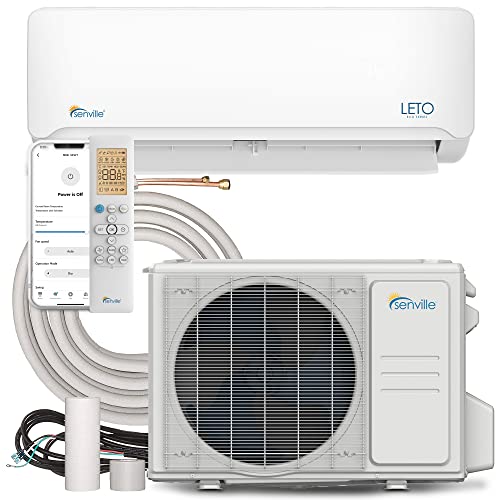
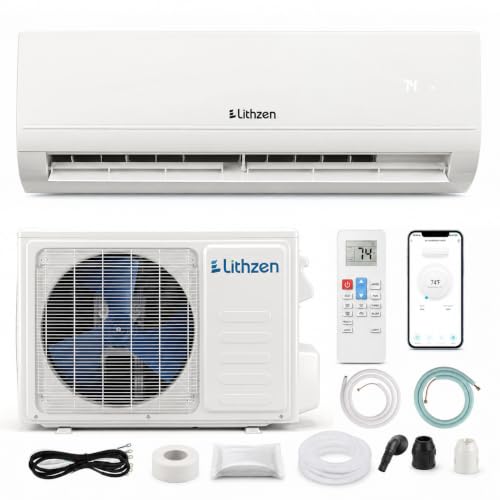
A one ton mini split refers to a ductless air conditioning system with a cooling capacity of 12,000 BTU per hour. In the HVAC industry, "one ton" is a traditional shorthand for 12,000 BTU — the amount of cooling needed to melt one ton of ice in a 24-hour period. These systems are ideal for single rooms, open-plan living areas, or as part of a multi-zone setup in larger homes.
Unlike traditional central air systems, a mini-split system consists of an outdoor compressor unit and one or more indoor air-handling units. This design eliminates the need for ductwork, making it an excellent choice for older homes, additions, and spaces where duct installation is impractical.
Key Insight: A one ton mini split is the most popular capacity for single-room comfort. It balances sufficient cooling power with energy efficiency, making it a versatile choice for bedrooms, living rooms, and small offices.
How Much Space Does a One Ton Mini Split Cool?
A one ton (12,000 BTU) mini split is generally suitable for rooms between 400 and 550 square feet, depending on factors such as ceiling height, insulation quality, window area, and local climate. For accurate sizing, consider performing a professional load calculation or using a BTU calculator that accounts for your specific room conditions.
- Bedrooms (300–450 sq ft): A one ton unit provides comfortable cooling with reserve capacity for hot days.
- Living Rooms (400–500 sq ft): Ideal for open-plan spaces with standard 8-foot ceilings.
- Home Offices (250–350 sq ft): More than enough capacity, ensuring quick cool-down and quiet operation.
- Sunrooms & Additions (350–450 sq ft): Effective when paired with proper insulation and shading.
If your room exceeds 550 square feet or has significant heat gain from large windows or poor insulation, a larger capacity unit may be necessary. Conversely, for smaller rooms, a 9,000 BTU system could be more appropriate.
Efficiency Ratings Explained
When evaluating a one ton mini split, pay close attention to its SEER (Seasonal Energy Efficiency Ratio) and HSPF (Heating Seasonal Performance Factor) ratings. Modern inverter-driven models often achieve SEER ratings of 20 or higher, significantly reducing energy consumption compared to older single-stage systems.
- SEER 16–18: Entry-level efficiency, suitable for mild climates and occasional use.
- SEER 19–22: Mid-range performance, balancing upfront investment with long-term energy savings.
- SEER 23+: Premium tier, offering maximum efficiency and often eligible for tax credits and rebates.
For a deeper dive into efficiency metrics, see our guides on what SEER means and HSPF ratings. Choosing a higher-efficiency unit is a long-term investment that pays off through reduced electricity usage.
Installation: What to Expect
Installing a one ton mini split involves mounting the indoor unit on a wall or ceiling, positioning the outdoor condenser on a stable surface, and connecting the two with refrigerant lines and electrical wiring. While some DIY enthusiasts tackle this project, professional installation is strongly recommended to ensure proper vacuuming, refrigerant charging, and compliance with local codes.
- Placement: Indoor units should be positioned to maximize airflow and avoid obstructions. Outdoor units need adequate clearance for heat dissipation.
- Line Set: The distance between indoor and outdoor units affects efficiency. Keep the refrigerant line set as short as practical.
- Condensate Management: Proper drainage is crucial. Consider installing a condensate pump if gravity drainage isn't feasible.
- Electrical: Most one ton systems require a dedicated 15-amp, 115V or 230V circuit. Consult a licensed electrician to ensure your panel can handle the load.
Before hiring an installer, ask the right questions to ask your HVAC contractor and verify their licensing and insurance. A proper installation is critical for warranty validity and long-term performance.
Maintenance for Longevity
Regular maintenance keeps your one ton mini split running efficiently and extends its lifespan. Key tasks include cleaning or replacing filters every 4–6 weeks, inspecting and cleaning coils annually, and checking refrigerant levels. For a comprehensive maintenance schedule, refer to our HVAC maintenance guide and tips & maintenance section.
- Filter Care: Clogged filters reduce airflow and efficiency. Clean reusable filters monthly during peak season.
- Coil Cleaning: Dirty evaporator and condenser coils impair heat exchange. Annual cleaning is recommended.
- Professional Checkups: Schedule a professional inspection every 1–2 years to catch potential issues early, such as refrigerant leaks or electrical problems.
If you notice reduced cooling or unusual noises, consult our troubleshooting guides on AC not blowing cold air and outdoor unit making noise.
One Ton Mini Split vs. Other Cooling Options
Understanding how a one ton mini split compares to other systems helps you make an informed decision. Below is a comparison based on typical performance characteristics.
| System Type | Best For | Efficiency Tier | Installation Complexity | Key Advantage |
|---|---|---|---|---|
| One Ton Mini Split | Single rooms, additions, open-plan spaces | Mid to Premium | Moderate | Ductless, quiet, zone control |
| Window AC (12,000 BTU) | Small rooms, apartments | Essential to Mid | Low | Lower upfront investment, easy install |
| Portable AC (12,000 BTU) | Rentals, temporary cooling | Essential | Minimal | Movable, no permanent installation |
| Central AC (1.5 Ton+) | Whole-home cooling | Mid to High-End | High | Even cooling across multiple rooms |
For a deeper comparison of portable and window units, see our article on portable vs. window air conditioners. If you're considering whole-home solutions, explore mini splits for whole-house cooling.
Choosing the Right Tier for Your Needs
One ton mini splits are available across multiple market tiers. Your choice should align with your priorities: essential cooling, balanced performance, or premium features.
- Entry-Level Tier: Offers reliable cooling with standard features. Ideal for budget-conscious buyers or secondary rooms.
- Mid-Range Tier: Adds inverter technology, better SEER ratings, and quieter operation. A solid choice for primary living spaces.
- Premium Tier: Includes advanced features like Wi-Fi control, enhanced filtration, and top-tier efficiency. Best for those seeking maximum comfort and long-term savings.
For recommendations on specific models across tiers, visit our recommendations page. If you're weighing the benefits of inverter technology, read Is Inverter AC Worth It?
Frequently Asked Questions
How many square feet does a one ton mini split cover?
A one ton (12,000 BTU) mini split typically cools 400–550 square feet. However, factors like ceiling height, insulation, and sun exposure can shift this range. For precise sizing, use a load calculation or consult a professional.
Is a one ton mini split enough for a living room?
Yes, for most standard living rooms up to 500 square feet. If your living area is open to other spaces or has large windows, consider a slightly larger capacity or a multi-zone system.
What SEER rating should I look for?
Aim for SEER 18 or higher for good efficiency. Premium models with SEER 23+ offer the best energy savings, especially in hot climates. Check our SEER rating guide for detailed recommendations.
Can I install a one ton mini split myself?
While DIY installation is possible, it requires specialized tools and knowledge of refrigerant handling. Improper installation can void warranties and compromise safety. Professional installation is strongly advised.
How long does a one ton mini split last?
With proper maintenance, a quality mini split can last 15–20 years. Regular filter cleaning, annual coil cleaning, and professional checkups are key to longevity.
Does a one ton mini split also provide heating?
Many mini splits are heat pumps, offering both cooling and heating. Look for models with a good HSPF rating if you plan to use them year-round. See our guide on mini split air and heat for more details.
Ready to Choose Your One Ton Mini Split?
A one ton mini split offers an excellent balance of cooling power, efficiency, and flexibility. Whether you're cooling a bedroom, home office, or living area, understanding sizing, efficiency ratings, and installation requirements empowers you to make a confident decision.
Explore our curated recommendations below to find top-tier options that match your needs. For personalized guidance, feel free to browse our residential HVAC systems section or rooms and spaces guides.