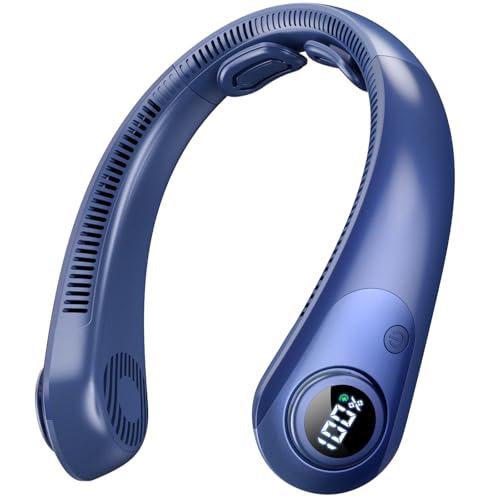
Personal Wearable Portable Air Conditioner: Cooling That Travels With You
When the room is not the problem, your body still needs relief. A personal wearable portable air conditioner delivers targeted cooling to the wearer, not the space. This guide explains how these devices work, who benefits, and how to choose one that actually helps.
Explore Portable Cooling DevicesThe core distinction: A personal wearable portable air conditioner is not a room air conditioner. It cools the person wearing it, using airflow, thermoelectric plates, or evaporative elements. That makes it a companion to room cooling, not a replacement. Understanding this difference is the key to choosing well.
What Is a Personal Wearable Portable Air Conditioner?
A personal wearable portable air conditioner is a compact, battery-powered cooling device designed to be worn on the body. Most models sit around the neck, clip to a belt, or wrap around the wrist. They use small fans, thermoelectric cooling plates, or evaporative cooling pads to lower the temperature you feel, rather than the temperature of the room. The result is localized relief that follows you wherever you go.
The category includes several device types that are often grouped together. Neck fans circulate air across the neck and face. Thermoelectric wearables use a Peltier plate to create a cold surface against the skin. Evaporative neck wraps use water and airflow to cool through evaporation. Each has a different feel and a different set of best-use cases. The common thread is portability: these devices are made to be worn, not placed on a desk or floor.
This is also where many buyers get confused. A wearable is not the same as a portable air conditioner that cools a room. If your goal is to cool a bedroom, a portable room unit or a portable cooling system is the right category. If your goal is to stay comfortable while walking, commuting, working outdoors, or sitting in a hot office, a wearable is the right tool. The two serve different needs, and many households end up using both.
Main Types of Wearable Cooling Devices
Bladeless or Bladed Neck Fans
Worn around the neck, these blow air upward across the face and neck. They are the most common wearable cooling device. Airflow-focused and lightweight, they work well for commuters and outdoor walks.
Peltier Neck Coolers
These use a semiconductor plate to create a cold contact surface against the neck. The cooling is more tactile than airflow-based. Mid-range and premium models often include both a cold plate and a fan.
Evaporative Neck Wraps
A fabric wrap is soaked in water and worn around the neck. Evaporation draws heat away from the skin. These are simple, quiet, and effective in dry climates, though they need re-wetting.
Wrist and Waist Cooling Bands
Small cooling plates or fans worn on the wrist or clipped to a belt. The wrist has high blood flow, so cooling there can influence overall comfort. These are subtle and easy to wear under clothing.
Fan + Cold Plate Combos
These combine airflow with a thermoelectric plate. They offer a stronger cooling sensation than airflow alone. The trade-off is weight and battery draw. Best for users who want maximum relief.
Cooling Vests and Inserts
Phase-change inserts or circulated water vests worn under clothing. These are heavier but deliver sustained cooling for industrial, outdoor, and athletic use. They are closer to professional-grade gear than consumer gadgets.
How Wearable Cooling Actually Works
Human comfort is driven by skin temperature and airflow, not just ambient temperature. A wearable device targets the body directly. Neck fans exploit the fact that the neck and face have dense blood flow and high sensitivity to airflow. Moving air across the skin accelerates evaporative heat loss from sweat, which lowers the perceived temperature even when the room is unchanged.
Thermoelectric devices work differently. A Peltier plate creates a temperature difference when current passes through it. One side gets cold, the other gets hot. The cold side presses against the skin, and a small fan or heatsink disperses the warm side. This produces a cool touch sensation rather than a stream of cold air. The effect is real but localized, and efficiency drops as ambient temperature rises.
Evaporative wraps rely on the physics of evaporation. Water absorbs heat as it turns to vapor, drawing warmth away from the skin. These work best in dry air. In humid climates, evaporation slows and the cooling effect weakens. That is why manufacturers often position evaporative wearables for dry-heat regions and recommend fan-based or thermoelectric devices for humid conditions.
For users who need broader cooling in hot, humid spaces, a portable air conditioner for humid climates is a better fit than any wearable. The wearable handles personal comfort; the room unit handles the environment. The two together cover more ground than either alone.
Who Benefits Most From a Wearable AC
Wearable cooling devices are not for everyone, but they shine in specific situations. The people who benefit most tend to share a common trait: they need relief while moving or while in a space they cannot cool.
- Commuters and transit riders: Waiting on a hot platform or walking to the office is where a neck fan earns its keep.
- Outdoor workers and event staff: Construction crews, landscapers, and event staff often cannot retreat to air conditioning. A wearable keeps them functional.
- Home office users in hot rooms: If a single room runs warm and a full room unit is overkill, a wearable can take the edge off during calls and focused work.
- People with heat sensitivity: Some individuals feel heat more acutely due to medication, health conditions, or age. A personal cooling device offers discreet relief.
- Travelers and campers: A wearable packs easily and works where power is limited. Campers often pair one with a portable air conditioning unit for camping for sleep comfort.
- Renters with limited options: When installing a room air conditioner is not allowed or not practical, a wearable provides personal comfort without altering the space.
Conversely, wearables are less useful for cooling an entire room, for sleeping in a hot bedroom, or for replacing a broken central system. In those cases, a room-focused solution is the correct purchase. The guide to portable cooling devices covers the broader landscape.
Wearable AC vs Other Cooling Options
| Feature | Personal Wearable AC | Portable Room AC | Central AC |
|---|---|---|---|
| Cools the person | Yes, directly | Indirectly, via room air | Indirectly, via room air |
| Cools the room | No | Yes | Yes, whole home |
| Portability | Worn on body | Wheeled, room to room | Fixed installation |
| Best for | Outdoors, commuting, moving | Single rooms without ducts | Whole-home comfort |
| Power source | Rechargeable battery | Wall outlet | Dedicated circuit |
| Typical tier | Entry-level to premium | Mid-range to high-end | High-end tier |
Key Features to Compare Before Buying
Wearable cooling devices vary widely in quality. The spec sheet can look similar across models, but real-world comfort depends on a handful of details. Focus on these when comparing options:
- Battery runtime: Look for rated runtime at each fan or cooling speed. A device that runs for hours on low but only minutes on high may not match your use case.
- Weight and fit: Neck-worn devices should feel balanced. A heavy unit that pulls on the neck becomes uncomfortable within minutes. Adjustable arms and soft contact points matter.
- Noise level: Fan noise is the most common complaint. If you plan to wear one during calls or in quiet offices, check decibel ratings or reviews that mention noise.
- Cooling method: Airflow-only devices are light and quiet. Thermoelectric plates add tactile cooling but increase weight and battery draw. Evaporative wraps are silent but need water.
- Build quality: Durable construction and reinforced hinges matter for daily wear. Look for models with solid build quality and a reputation for longevity.
- Charging standard: USB-C charging is now common and convenient. Older micro-USB models are less future-proof.
- Controls: Physical buttons are easier to use without looking. App control is a bonus but not essential for most users.
It is also worth deciding whether you want a device that focuses purely on airflow or one that adds a cooling plate. Entry-level neck fans prioritize airflow and light weight. Mid-range and premium models often add a cold plate for a stronger sensation. Neither approach is universally better; the right choice depends on your climate, activity level, and tolerance for weight.
Practical Use Cases
Wearable cooling is most effective when matched to the situation. A few common scenarios illustrate where these devices earn their place:
- Commuting on public transit: A neck fan keeps air moving during crowded, warm rides. Choose a quiet model if you also take calls on the go.
- Working in a garage or workshop: Pair a wearable with a portable air conditioner for commercial use if the space is large, or rely on the wearable alone if the task is short.
- Outdoor dining and events: A wearable adds comfort without occupying table space or requiring power access.
- Small apartments without room AC: If installing a window or portable unit is not feasible, a wearable offers personal relief. The guide to portable air conditioner for a very small room covers room-level options if you decide to upgrade.
- Camping and festivals: Battery-powered cooling is a natural fit where outlets are unavailable. Many campers combine a wearable with a portable air conditioner that uses batteries for overnight comfort.
For users who want cooling without any venting or installation, the broader category of portable air conditioners with no venting required is worth reviewing alongside wearables. These room-level units serve a different purpose, but they often come up in the same buying conversation.
Honest Limitations to Keep in Mind
Wearable cooling devices are useful, but they are not magic. Setting realistic expectations prevents disappointment. The cooling effect is localized and perceptual. It does not lower the temperature of the room, and it will not make a 100°F space comfortable for hours on end. In extreme heat, a wearable is a supplement to shade, hydration, and breaks, not a substitute for them.
Battery life is another practical limit. High cooling settings drain batteries quickly, and older devices may lose capacity over time. Noise is a factor for fan-based models, and weight becomes noticeable during long wear. Evaporative devices lose effectiveness in humid air. None of these are deal-breakers, but they shape how and when the device is useful.
Finally, a wearable is not a fix for a broken air conditioner. If your central system has stopped cooling, the article on central air conditioner not blowing cold air walks through the diagnostic steps. If the issue is a compressor that will not start, the guide on AC compressor not running is the right next read.
Ready to Compare Wearable Cooling Devices?
Explore our curated selection of personal wearable portable air conditioners. Each option is chosen for comfort, battery life, and build quality.
View Recommended DevicesFrequently Asked Questions
What is a personal wearable portable air conditioner?
A personal wearable portable air conditioner is a small battery-powered cooling device worn on the body, usually around the neck or waist. It uses fans, thermoelectric plates, or evaporative cooling to lower the perceived temperature around the wearer. Unlike a room air conditioner, it does not cool an entire space; it delivers targeted relief to the person wearing it.
Does a wearable air conditioner really cool you down?
Yes, but the effect is localized and perceptual. A wearable cooling device blows air across the skin or cools the neck and wrists, which are areas with high blood flow. This lowers how hot you feel rather than dropping the ambient room temperature. For outdoor workers, commuters, and people in hot indoor spaces, that targeted relief can make a meaningful difference.
How long does a wearable portable air conditioner battery last?
Runtime varies by design and fan speed. Entry-level neck fans typically run for several hours on a charge. Mid-range and premium wearable cooling devices with larger batteries or thermoelectric plates can last longer, but higher cooling intensity drains the battery faster. Check the rated runtime at each speed setting before choosing.
Can I wear a personal air conditioner under clothing?
Most wearable cooling devices are designed to be worn over clothing or against bare skin at the neck, wrists, or waist. Neck-style fans work best with an open collar. Belt-clip and waist-worn designs may fit under loose clothing, but airflow can be restricted. Follow the manufacturer's guidance for the specific model.
Is a wearable air conditioner a replacement for a room air conditioner?
No. A wearable device cools the person wearing it, not the room. It is a complement to room cooling, not a substitute. If your room itself is too hot and you need the space cooled, a portable air conditioner or a window unit is the right tool. Wearables are best for outdoor use, commuting, and situations where room cooling is impractical.
Related Reading
If you are exploring cooling options for specific situations, these guides can help:
- Portable cooling devices overview — the full landscape of personal and room cooling gear.
- Portable cooling fan — fans that move air without a cooling plate.
- Portable cooling systems — room-level systems compared to wearables.
- Portable air conditioner — the main room-cooling category.
- Portable air conditioner without electricity — off-grid options for camping and emergencies.
- Portable air conditioner for a very small room — when room cooling makes more sense than a wearable.
- Portable air conditioner with Wi-Fi control — smart features for room units.
- AC not blowing cold air — troubleshooting if your existing system stops cooling.