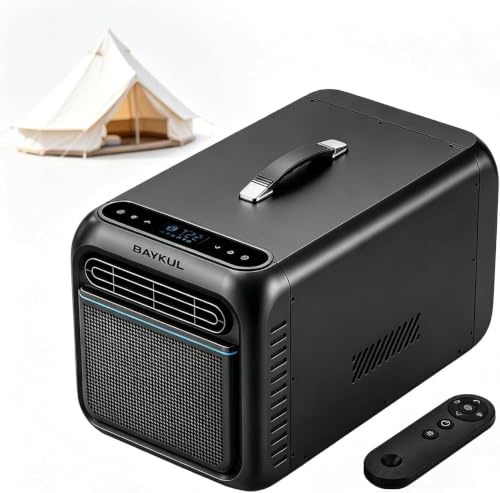
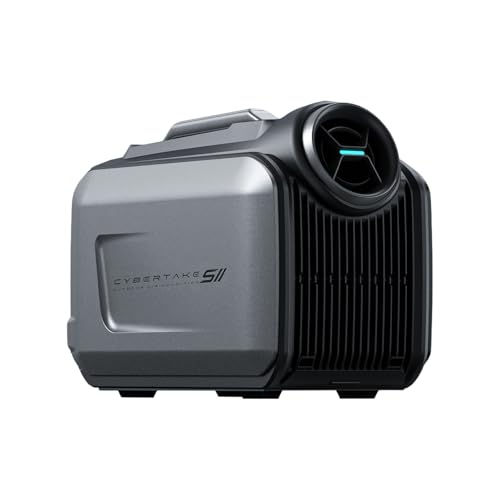
Portable Air Conditioning Unit for Camping
Plan a cooler camping trip with the right portable AC setup. Learn about BTU sizing, power sources, venting a tent, and what actually works off-grid.
EXPLORE TOP PICKSKey insight: Camping cooling is a power problem before it is a cooling problem. A compressor-based portable AC needs a reliable electricity source — a powered campsite, RV hookup, or generator. For remote tent sites, a battery-powered evaporative cooler or fan is the practical choice. This guide explains both paths.
Why Camping Cooling Needs a Different Approach
A portable air conditioning unit for camping is not simply a smaller version of a home portable AC. Tents and campers have different constraints: thin fabric walls that leak cooled air, limited or no electrical hookups, and a need for portability that outweighs raw cooling capacity. Understanding these constraints is what separates a comfortable trip from a frustrating one.
There are two honest paths. If you have power — a powered campsite, an RV hookup, or a generator — a standard portable AC works well in a tent or camper. If you are off-grid, a compressor-based unit will drain even a large battery quickly, and a battery-powered evaporative cooler or high-capacity fan is the realistic option. This guide covers both so you can choose based on your actual setup.
If you are still exploring the broader category, start with the portable air conditioner overview and the portable AC units hub before narrowing down to camping-specific choices.
Sizing a Camping Portable AC
Tents are small, but they leak cooled air quickly. That means oversizing rarely helps — the unit will simply run harder without reaching the set temperature. Use the table below as a starting point, keeping in mind that tent fabric and mesh panels reduce effective cooling.
| Space | Recommended BTU | Best For |
|---|---|---|
| 2-person tent (up to 60 sq ft) | 5,000 BTU | Weekend camping, solo or couple |
| 4-person tent (60–100 sq ft) | 5,000 – 6,000 BTU | Small family, extended trips |
| 6-person cabin tent (100–150 sq ft) | 6,000 – 8,000 BTU | Family camping with power access |
| Small camper or van (100–200 sq ft) | 8,000 – 10,000 BTU | RV hookups, van conversions |
For compact tents, the small-room portable AC guide and the very small room portable AC recommendations offer more granular sizing advice. For camper and RV interiors, the 500 sq ft portable AC breakdown covers larger footprints.
Power Sources: The Real Bottleneck
Powered Campsite or RV Hookup
This is the simplest path. A standard 110V portable AC runs normally on a powered campsite pedestal or RV hookup. Confirm the amperage available at your site — some pedestals provide 15A, which is enough for most 5,000–8,000 BTU units, while larger units may need 20A. The portable AC without electricity overview explains what is possible without a hookup.
Generator Power
A portable generator can run a camping AC, but size it correctly. A 5,000 BTU unit typically draws around 500W running, with a higher startup surge. A 2,000W generator comfortably handles a small unit plus basic camping loads. Inverter generators are quieter and produce cleaner power, which is friendlier to the AC's electronics.
Battery Power and Off-Grid Options
A compressor-based AC will drain a typical camping battery in a few hours. For true off-grid cooling, consider these alternatives:
- Battery-powered evaporative cooler: Lower draw, effective in dry climates, and practical for overnight use.
- Solar-assisted setup: A solar panel paired with a battery bank can run a small evaporative cooler through the day.
- High-capacity fan: The simplest and most reliable option when power is truly limited.
The battery-powered portable AC guide, the portable AC with solar panel overview, and the off-grid cooling guide go deeper into these setups.
Camping Cooling Tiers: What Each Level Delivers
Camping cooling products range from simple battery fans to compressor-based portable ACs. The tiers below help you judge how well a product is specified for its class.
Essential Tier
Battery-powered fans and compact evaporative coolers. Low power draw, easy to transport, and effective in dry climates or for airflow only. Best for tent campers who prioritize portability over strong cooling.
Balanced Tier
Larger evaporative coolers with multi-speed fans, or small 5,000 BTU portable ACs for powered campsites. Better airflow, more effective cooling, and reasonable portability. Most campers with power access find this tier the best match.
High-End Tier
Dual-hose portable ACs with inverter compressors, or high-capacity evaporative systems with durable cabinets. These are built for RV use, extended trips, and larger tents with reliable power. Quieter and more consistent than lower tiers.
Mid-range models typically offer more consistent cooling than entry-level units, which matters in a tent where heat builds quickly. Premium inverter models modulate compressor speed rather than cycling on and off, producing steadier temperatures and quieter operation. If inverter technology interests you, the portable AC with inverter technology guide explains the mechanism in detail.
Venting a Portable AC in a Tent or Camper
Every compressor-based portable AC needs an exhaust path for hot air. In a tent, this is usually the trickiest part of the setup. The most reliable options are:
- Tent window port: Route the hose through an open window and seal the gap with a fabric sleeve or custom panel.
- Zippered door opening: Use a dedicated hose seal that closes around the exhaust hose while the door remains mostly shut.
- Dedicated vent port: Some camping-specific units include a panel that replaces a section of the tent wall.
- Camper window: In RVs and vans, standard window kits usually work with minor adaptation.
A poorly sealed exhaust is worse than no AC at all, because it pulls hot outside air back into the tent. The single-hose portable AC guide explains why dual-hose designs are generally more effective in this scenario. If your tent window is a non-standard shape, the casement window portable AC guide and the sliding window kit overview offer adaptation ideas.
Matching a Cooling Solution to Your Camping Style
Tent Camping With Power
A powered campsite makes a small 5,000 BTU portable AC realistic. Focus on a unit that vents cleanly through a tent window and draws under 15A. The camping portable AC deep dive covers specific configurations.
Off-Grid Tent Camping
Without power, a battery-powered evaporative cooler or a high-capacity fan is the realistic choice. The portable evaporative air cooler overview and the portable cooling fan guide explain what these units deliver in real conditions.
RV and Camper Use
RVs with hookups can run a standard portable AC through a window or roof vent. For larger interiors, the 500 sq ft portable AC breakdown offers sizing guidance. If you need heating as well, the portable AC and heater unit overview covers combination models.
Humid Camping Climates
In humid regions, evaporative coolers are counterproductive because they add moisture. A compressor-based unit on power is the right choice. The humid climate portable AC guide and the high-humidity portable AC recommendations explain what to prioritize.
A Practical Checklist Before You Buy
- Confirm your power source: powered campsite, RV hookup, generator, or off-grid battery.
- Match BTU to your tent or camper size, keeping in mind that fabric walls leak cooled air.
- Plan the exhaust path before you buy — window port, door seal, or dedicated vent panel.
- Check the unit's running and startup power draw against your generator or hookup capacity.
- Prioritize portability: weight, handle placement, and wheel configuration matter on uneven ground.
- Check the noise rating if you will sleep near the unit.
- Look for a programmable timer and adjustable fan speeds for overnight use.
- Verify warranty terms and whether the manufacturer offers service in your region.
If you are still exploring form factors, the portable AC on wheels guide and the portable cooling devices overview clarify the trade-offs. For broader context, the portable air conditioner hub links to every sub-guide on the site.
Explore Related Portable AC Guides
- Portable Air Conditioner: Complete Overview
- Portable AC Units: Full Category Guide
- Portable AC That Uses Batteries
- Portable AC with Solar Panel
- Portable AC Without Electricity
- Off-Grid Cooling Guide
- Off-Grid Solar AC Overview
- Portable Evaporative Air Cooler
- Portable Cooling Fan
- Portable Cooling Devices
- Portable Cooling Systems
- Portable AC with Evaporative Technology
- Portable AC and Heater Unit
- Portable AC with Inverter Technology
- Single-Hose Portable AC Guide
- Portable AC on Wheels
- Portable AC for Casement Windows
- Portable AC Sliding Window Kit
- Portable ACs for Small Rooms
- Portable AC for a Very Small Room
- Portable AC for a 500 Sq Ft Room
- Portable AC for Humid Climates
- Portable AC for High Humidity
- Non-Window Vented Portable AC
Frequently Asked Questions
What size portable air conditioner do I need for a camping tent?
Most camping tents fall under 150 sq ft, so a 5,000–6,000 BTU unit is usually sufficient. Larger tents or family cabin tents may benefit from 8,000 BTU. Oversizing is rarely helpful in a tent because the fabric leaks cooled air quickly.
Can I run a portable air conditioner on a camping battery?
A compressor-based portable AC draws substantial power and will drain most camping batteries quickly. For true off-grid use, a battery-powered evaporative cooler or a solar-assisted cooling setup is more practical. If you have access to a generator or RV hookup, a standard portable AC can run normally.
How do I vent a portable AC in a tent?
Route the exhaust hose through a tent window, a zippered door opening, or a dedicated vent port. Use a fabric sleeve or seal to close gaps around the hose so hot air does not re-enter the tent. Some camping-specific units include custom vent panels.
Is a portable AC worth it for camping?
It depends on your setup. In a powered campsite or RV, a portable AC makes hot nights comfortable. In a remote, off-grid tent site, the power draw makes a compressor-based unit impractical; evaporative coolers or battery-powered fans are the realistic options.