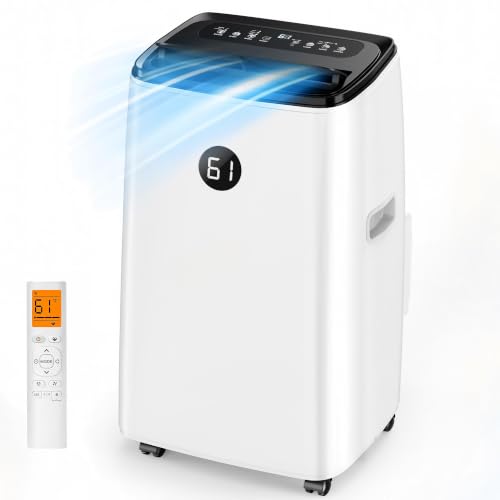
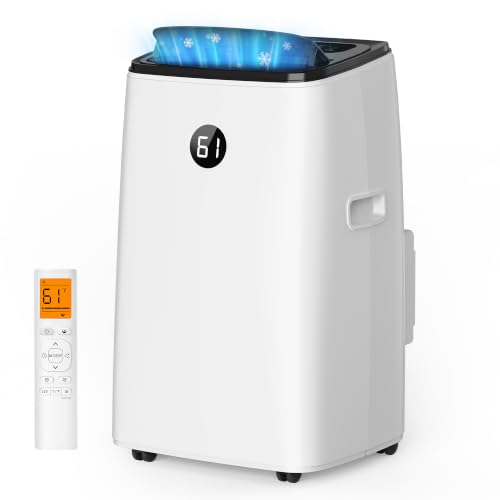
Portable AC Units That Do Not Need Venting
Understand the reality behind ventless portable air conditioners, how they work, what they can and cannot do, and how to choose the right cooling solution for your room.
Explore the GuideQuick truth: A true compressor-based portable air conditioner always needs a vent hose to exhaust hot air and moisture. Products marketed as “no vent” portable ACs are usually evaporative coolers, personal cooling devices, or desiccant-based units. This guide explains the difference so you can make an informed decision.
What Does “No Vent” Really Mean?
When shoppers search for portable AC units that do not need venting, they usually want a cooling appliance that works without a window hose, a wall opening, or any exterior exhaust. The appeal is obvious: no installation, no window kit, and no permanent modification to a rental apartment or office space.
However, the phrase “portable AC without vent” is often used loosely by retailers. Before buying, it helps to separate three product categories that are frequently confused:
- Compressor-based portable AC units: These are the classic portable air conditioners with a refrigerant circuit. They must exhaust hot air through a hose. Without venting, they cannot cool effectively and may overheat the room.
- Evaporative coolers (swamp coolers): These devices cool air by evaporating water. They do not need a vent hose, but they add humidity and perform best in dry climates.
- Personal and spot cooling devices: Small units such as desk fans with cooling pads, wearable neck coolers, and personal space air conditioners. They provide localized relief rather than whole-room cooling.
Understanding this distinction prevents disappointment. If your goal is to cool an entire room in a humid climate, a ventless device is unlikely to match the performance of a properly vented portable AC or a ductless mini-split system.
How Ventless Portable Cooling Devices Work
Ventless cooling devices rely on different physical principles than compressor-based air conditioners. The table below compares the main options so you can match the technology to your room and climate.
| Device Type | Cooling Method | Venting Required | Best For |
|---|---|---|---|
| Evaporative cooler | Water evaporation | No | Dry climates, well-ventilated spaces |
| Personal space cooler | Fan plus cooling pad or thermoelectric element | No | Desk, bedside, spot cooling |
| Desiccant portable unit | Moisture removal and evaporative cooling | No (moisture managed internally) | Small rooms in moderate humidity |
| Compressor portable AC | Refrigerant cycle | Yes, exhaust hose required | Whole-room cooling in most climates |
If you are specifically interested in small, hose-free devices, our guide to a personal space air conditioner explains how spot cooling differs from room cooling. For camping and outdoor use, a mini portable air conditioner for camping may be more appropriate than a household ventless unit.
Benefits of Portable AC Units Without Venting
No Window Kit
No hose, no sealing plate, and no window modification. Ideal for renters or rooms with casement or unusual windows.
Simple Setup
Most units are ready to use after filling a water tank or plugging in. There is no complex installation process.
Easy to Move
Lightweight designs can be carried between rooms, making them suitable for temporary or shared spaces.
No Exterior Penetration
No wall cutting or permanent changes to the building, which matters for apartments and historic homes.
Quiet Operation
Many personal and evaporative units run quietly, which is helpful for bedrooms and home offices.
Low Energy Draw
Small ventless devices typically consume less power than full compressor units, though cooling output is also lower.
Limitations You Should Know Before Buying
Ventless cooling is not a one-to-one replacement for a compressor-based air conditioner. Set realistic expectations by considering the following limitations:
- Humidity sensitivity: Evaporative coolers work poorly in humid climates because the air is already saturated with moisture. They may make a room feel clammy.
- Limited cooling capacity: Personal coolers and small evaporative units are designed for spot cooling, not for cooling a large living room.
- Water refills: Evaporative devices require regular water tank refills and periodic cleaning to prevent mold and odor.
- No dehumidification: Unlike compressor ACs, evaporative coolers add moisture rather than remove it.
- Not a substitute for central air: For whole-home comfort, a central system or a ductless mini-split remains the more capable solution.
If your room is large, humid, or exposed to strong afternoon sun, a compressor-based portable AC with a window vent or a through-the-wall portable air conditioner may be a more effective choice. For rooms without windows, our guide to a small room air conditioner with no window covers alternative approaches.
Who Should Consider a Ventless Portable AC?
Ventless cooling devices are a good fit for specific situations. They tend to work best when the cooling load is small and the expectations are aligned with the technology.
- Renters and apartment dwellers: No permanent installation and no window kit required.
- Home office and desk users: A personal cooler can keep one person comfortable without cooling an entire room.
- Dry-climate households: Evaporative coolers can be effective in low-humidity regions, especially with cross-ventilation.
- Temporary or seasonal use: For a few weeks of mild heat, a portable ventless device may be sufficient.
- Supplemental cooling: Use a ventless unit alongside a ceiling fan or a larger AC to improve air movement.
If you need cooling for a workspace rather than a home, our article on a portable air conditioning unit for office use can help you compare options. For outdoor or patio cooling, a portable commercial air conditioner may be more suitable.
Practical tip: Before buying any ventless unit, measure the room and check the humidity level. Evaporative coolers are most effective when relative humidity is low and the space has adequate airflow. In closed, humid rooms, a vented portable AC or a ductless mini-split is usually the better path.
How to Choose the Right Ventless Cooling Device
Use the following criteria to narrow down your options. The goal is to match the device's cooling method and capacity to your room, climate, and usage pattern.
- Cooling method: Decide whether evaporative, personal, or desiccant cooling suits your climate and room size.
- Airflow and coverage: Check the airflow rating and the recommended room size, not just the physical size of the unit.
- Water tank capacity: A larger tank means fewer refills, but it also adds weight.
- Noise level: For bedrooms and offices, look for quiet operation and adjustable fan speeds.
- Ease of maintenance: Removable water tanks, washable pads, and accessible filters simplify cleaning.
- Portability: Casters and handles help if you plan to move the unit between rooms.
For broader context on compact units, see our guide to a small air conditioning unit and our overview of a portable air conditioner for a crank window. If you are comparing plug-in options, the plug-in air conditioner guide explains electrical considerations.
Installation and Placement Tips
Ventless devices are simple to set up, but placement still affects performance. Follow these practical guidelines:
- Place the unit near the area you want to cool, not in a corner where airflow is blocked.
- Keep the air intake and outlet clear of curtains, furniture, and walls.
- For evaporative coolers, provide cross-ventilation by opening a door or window slightly in dry climates.
- Keep the unit on a level, stable surface to prevent water spills.
- Clean or replace cooling pads and filters according to the manufacturer's schedule.
- Drain and dry the water tank before storing the unit for an extended period.
If you later decide to install a larger system, our installation guide covers the general process and safety considerations.
Ventless Portable AC vs Other Cooling Options
Comparing ventless devices with other cooling solutions helps clarify when each option makes sense. The right choice depends on room size, climate, and how much cooling you need.
| Option | Cooling Strength | Installation | Best For |
|---|---|---|---|
| Ventless personal cooler | Low, spot cooling | None | Desks, bedside, small spaces |
| Evaporative cooler | Moderate in dry air | None | Dry climates, ventilated rooms |
| Vented portable AC | Moderate to high | Window kit required | Bedrooms, apartments, offices |
| Ductless mini-split | High | Professional installation | Whole rooms, long-term use |
| Central air | Very high | Professional installation | Whole-home comfort |
For a whole-house perspective, explore our whole house AC system overview. If you are weighing a ductless system, the split ductless air conditioning systems guide explains how those systems work.
Maintenance Checklist for Ventless Units
Regular maintenance keeps a ventless cooling device efficient and hygienic. Use this checklist as a starting point:
- Empty and rinse the water tank every few days during heavy use.
- Clean or replace the cooling pad according to the manufacturer's guidance.
- Wipe the exterior and air vents with a soft, damp cloth.
- Check the power cord and plug for damage before each season.
- Store the unit dry and covered during the off-season.
For broader maintenance guidance that applies to many cooling appliances, see our article on how to clean an AC filter.
Frequently Asked Questions
Do portable air conditioners really work without venting?
True compressor-based portable air conditioners always require venting because they must exhaust hot air and moisture. Units marketed as ventless are typically evaporative coolers, personal cooling devices, or desiccant-based units that use a different cooling method and do not rely on a refrigerant exhaust hose.
What is the difference between a ventless portable AC and an evaporative cooler?
A ventless portable AC may refer to a personal cooling device or a desiccant unit, while an evaporative cooler uses water evaporation to cool air. Evaporative coolers add humidity and work best in dry climates, whereas compressor-based portable ACs remove humidity but require a vent hose.
Are ventless portable AC units suitable for large rooms?
Most ventless or no-vent portable cooling devices are designed for spot cooling or small spaces. For large rooms, a ducted or ductless mini-split system or a properly vented portable AC is generally more effective.
Can I use a portable AC without venting in a room with closed windows?
Compressor-based portable ACs cannot operate safely without venting in a closed room because they exhaust heat and moisture indoors. Evaporative coolers and personal cooling devices can operate without a window vent, but they have limitations in humid climates.
Final Thoughts
Portable AC units that do not need venting can be genuinely useful when chosen for the right job. Evaporative coolers and personal cooling devices provide spot relief without window kits, but they are not direct replacements for a compressor-based air conditioner in a humid or large room. Match the technology to your climate, room size, and comfort expectations, and you will avoid the most common disappointment with ventless cooling products.
If you decide that a more capable cooling system is the better long-term choice, explore our recommendations for top-rated energy efficient air conditioners and review the electrical considerations in our 220V air conditioners guide before making a final decision.