220 Air Conditioners
A complete guide to 220V and 240V air conditioner units: how they work, what wiring and breaker they need, which types are available, and how to choose the right one for your home.
START LEARNINGWhat Are 220 Air Conditioners?
A 220 air conditioner is an AC unit that runs on a 220–240 volt circuit rather than the standard 110–120 volt household outlet. In North America, residential power is split-phase: most outlets deliver 120V, while large appliances like dryers, ranges, and bigger air conditioners use the full 240V (commonly called 220V) supply.
The reason is simple. Power equals voltage times current. For the same wattage, doubling the voltage halves the current. Lower current means thinner wire, less heat, and less voltage drop over the run. That is why any air conditioner with a meaningful cooling capacity — from large window units to mini-splits and central systems — typically uses a 220V circuit.
If you are shopping for a 220V unit, the most important thing to understand is that the electrical work is not an afterthought. The circuit, breaker, wire gauge, and receptacle must all match the unit's data plate. This guide walks through that process step by step, and it points to related topics like AC electrical problems in case something goes wrong after installation.
Why Some AC Units Need 220V
Not every air conditioner needs 220V. Small window units and portable ACs often run fine on 120V. The shift to 220V happens when the cooling capacity — and therefore the compressor load — grows beyond what a standard 15A or 20A 120V circuit can safely supply.
The load math behind it
A 12,000 BTU window unit typically draws around 10–12 amps at 120V. A 24,000 BTU unit might draw 20+ amps. At 120V that would require a 30A circuit with thick wire and a special receptacle — which is uncommon in homes. At 220V, the same wattage pulls roughly half the current, so a 15A or 20A circuit with standard 12- or 14-gauge wire can handle it.
Which units commonly use 220V
- Large window and through-the-wall units above roughly 18,000 BTU.
- Ductless mini-splits — almost all single-zone and multi-zone systems are 220V.
- Central air conditioners and heat pumps.
- Packaged units and larger commercial-grade equipment.
If you are considering a mini-split, the ductless mini-split air conditioning systems guide and the 24000 BTU mini split article cover capacity and electrical needs in more detail. For window units, the 15000 BTU connected window mounted room air conditioner article is a useful reference point on the 220V side of that category.
Types of 220V AC Units
220V power is used across several AC categories. Each has different installation and electrical requirements, so match the type to your space before comparing models.
1. Ductless mini-split systems
Mini-splits are the most common 220V residential option today. They have an indoor air handler and an outdoor condenser connected by refrigerant lines. Most single-zone systems use a 220V circuit, and multi-zone systems often need a larger 220V feed. The multi-zone ductless AC and ductless mini-split system articles explain how zones are configured.
2. Large window and through-the-wall units
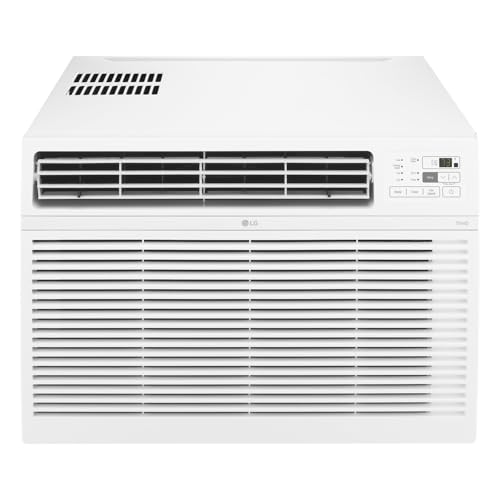
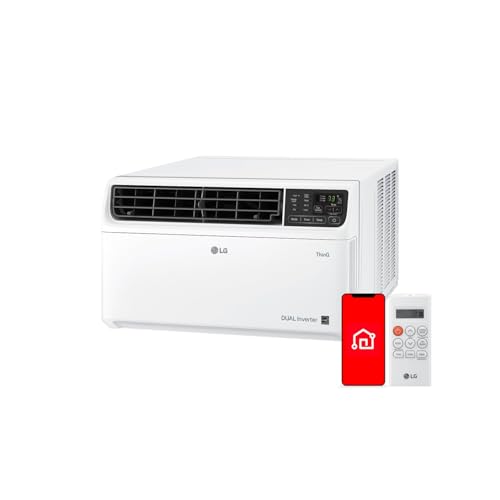
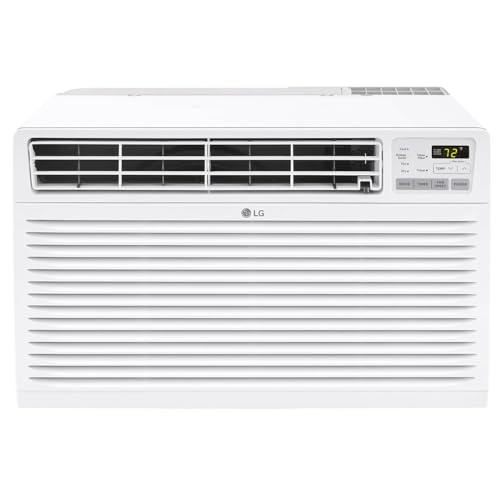
Window ACs above roughly 18,000 BTU typically require 220V. These are common in older homes with existing 220V window circuits. If you are replacing a unit, check the existing circuit's amperage and receptacle type before buying a new one. The window mounted air conditioning unit overview covers the installation basics.
3. Central air conditioners and heat pumps
Central systems always use 220V. The condenser is hardwired to a dedicated 220V circuit, usually through a disconnect box mounted near the unit. The circuit is sized to the condenser's rated load. If you are comparing central options, the ratings of central air conditioning systems article covers what the efficiency numbers mean.
4. Packaged and commercial-grade units
Packaged systems and larger rooftop or commercial units use 220V or three-phase power depending on the model. These are typically installed by licensed contractors and are not a typical DIY project. The AC for restaurant guide covers commercial-grade sizing for one common scenario.
| Type | Typical Voltage | Installation Notes |
|---|---|---|
| Ductless mini-split (single zone) | 220V | Dedicated circuit, outdoor disconnect, line set through wall |
| Multi-zone mini-split | 220V | Larger circuit, multiple indoor heads on one outdoor unit |
| Large window AC | 220V | Dedicated circuit, matching receptacle or hardwired |
| Central AC | 220V | Hardwired with disconnect box, dedicated circuit |
| Packaged / commercial unit | 220V or three-phase | Contractor-installed, code-compliant disconnect |
Matching Capacity to Room Size
Voltage is one part of the decision; capacity is the other. A 220V unit is only a good fit if it is sized correctly for the space it cools. Undersized units run constantly and never reach the setpoint; oversized units short-cycle, dehumidify poorly, and wear out faster.
The rough rule of thumb is 20 BTU per square foot for a standard room, with adjustments for ceiling height, sun exposure, window count, and occupancy. A more accurate method is a Manual J load calculation, which accounts for insulation, air sealing, and local climate.
| Room Size | Approx. BTU | Common Unit Type |
|---|---|---|
| Up to 150 sq ft | 5,000 – 6,000 | Small window unit (120V often) |
| 150 – 250 sq ft | 8,000 – 10,000 | Window unit (120V or 220V) |
| 250 – 400 sq ft | 12,000 – 14,000 | Window or mini-split |
| 400 – 700 sq ft | 18,000 – 24,000 | Mini-split or large window (220V) |
| 700+ sq ft | 24,000+ | Mini-split or central (220V) |
For a whole-home approach, the most efficient whole house air conditioner article compares central and multi-zone options. For a single large room, the AC for large house guide covers room-by-room sizing in more detail.
Wiring, Breakers, and Panel Checks
This is the part that separates a smooth 220V installation from a frustrating one. Before you buy a 220V unit, confirm your electrical panel can support it and that the circuit can be run to the location.
Read the data plate
Find the minimum circuit ampacity (MCA) and maximum overcurrent protection (MOP). These two numbers determine wire size and breaker size.
Check panel capacity
Look for open breaker slots and confirm the panel's total load can handle another 220V circuit. A load calculation may be needed.
Choose the breaker
Match the breaker to the MOP rating. Common sizes are 15A, 20A, and 30A, but never exceed the label's maximum.
Match the wire gauge
Wire size follows the MCA and the breaker. A 20A circuit typically uses 12-gauge copper; a 30A circuit typically uses 10-gauge.
Pick the receptacle or hardwire
Window and portable units use a matching 220V receptacle; mini-splits and central systems are usually hardwired through a disconnect.
Get it inspected
New circuits and hardwired equipment need a permit and inspection in most jurisdictions. Budget time for both.
If your home is older, the AC electrical problems article covers the warning signs of an undersized or failing circuit. The AC plumbing guide is a separate topic, but it is a useful reminder that an AC install touches more than just the electrical system.
Installation Considerations
Once the electrical side is planned, the physical installation follows. The details depend on the unit type, but a few principles apply across the board.
- Outdoor unit placement. The condenser needs clearance for airflow and a solid pad. Avoid enclosed spaces where hot exhaust recirculates.
- Line set length and routing. Mini-split line sets have maximum lengths and elevation differences. Longer runs reduce capacity and may need additional refrigerant charge.
- Condensate drainage. Indoor units produce water. Plan a drain route with proper slope so it does not pool or back up. If water appears where it should not, the AC leaking water solutions guide covers the usual causes.
- Window opening fit. For window units, measure the opening and confirm the unit's dimensions and required support bracket.
- Permits and inspections. Most jurisdictions require a permit for new 220V circuits and for mini-split or central installations.
For mini-splits specifically, the ductless mini-split air conditioner installation cost article explains what the process typically involves. If you are comparing installation against replacing an older system, the HVAC replacement guide is a useful reference.
Efficiency Ratings That Matter
Voltage does not determine efficiency, but the units that use 220V — mini-splits and central systems — are where the highest efficiency ratings live. Here is what to look at.
| Rating | What It Measures | Why It Matters |
|---|---|---|
| SEER2 | Seasonal cooling efficiency | Higher numbers mean less energy used over a cooling season |
| EER2 | Efficiency at peak temperature | Useful for hot climates where the AC runs hard in the afternoon |
| HSPF2 | Heating efficiency for heat pumps | Relevant if the unit provides heating as well as cooling |
Higher SEER2 and EER2 ratings generally cost more upfront but pay back over the life of the unit. The window air conditioner energy efficiency rating article explains the window-unit version of these ratings. For mini-splits, the most efficient portable air conditioner and ductless mini-split system air conditioners articles compare efficiency across categories.
Choosing by Build Tier
220V AC units span a wide range of build quality and features. The tiers below describe market position and typical characteristics, not any specific figure. Use them to match the unit to how long you plan to stay and how much use it will see.
| Tier | Best For | Typical Characteristics |
|---|---|---|
| Entry-level | Renters, short-term setups, single rooms | Basic features, standard efficiency, simple controls, shorter warranty |
| Mid-range | Most residential installs | Good efficiency, quiet operation, programmable or smart thermostat options |
| High-end tier | Long-term homeowners, harsh climates | High SEER2, variable-speed compressor, advanced filtration, longer warranty |
| Top-tier | Whole-home and premium multi-zone systems | Flagship efficiency, multi-zone control, smart home integration, professional-grade components |
For most homes, a mid-range 220V mini-split or window unit is the balanced choice: solid efficiency, reliable components, and a warranty that covers the compressor and parts for a reasonable period. High-end and top-tier units make sense when you plan to stay in the home for many years or when the climate pushes the unit to run hard for months.
If you are comparing a 220V mini-split against a central system, the mini split air conditioning units for sale guide and the central air conditioner and heating units overview lay out the trade-offs.
Frequently Asked Questions
Final Thoughts
220 air conditioners are the standard for larger cooling loads, from big window units to mini-splits and central systems. The voltage question is really a capacity question: once the cooling load grows beyond what a standard 120V circuit can safely deliver, 220V becomes the practical choice.
Before you buy, confirm three things: the unit's capacity matches your space, the electrical panel can support the circuit, and the installation will be permitted and inspected. If you want to explore specific unit types, the ductless mini-split system air conditioners guide and the window mounted air conditioning unit overview are good next reads. And if you are comparing a new 220V system against repairing an existing one, the HVAC replacement guide can help you weigh the long-term decision.