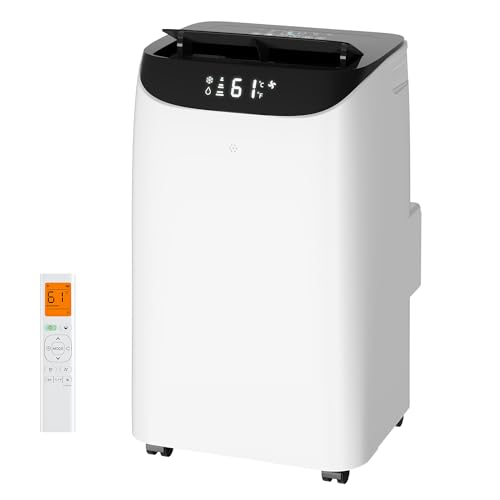
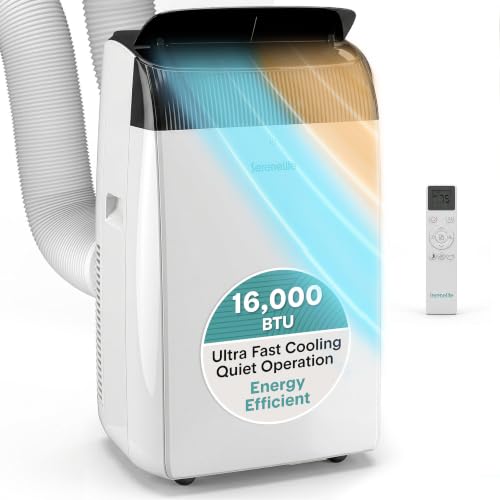
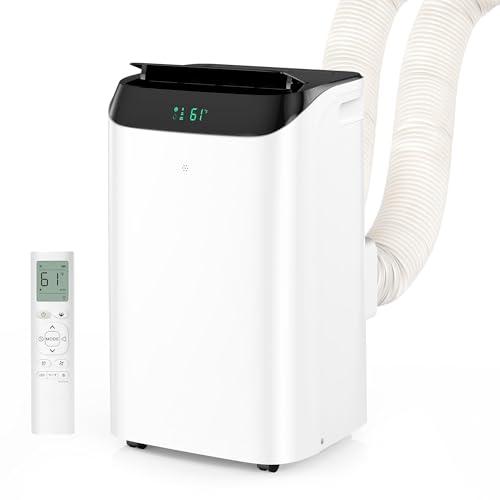
Portable Air Conditioner 16000 BTU: High-Capacity Cooling for Large Rooms
A 16000 BTU portable air conditioner is a serious cooling machine designed for spacious areas. This guide explains coverage, performance expectations, and what to look for before you choose a high-capacity portable unit.
What a 16000 BTU Portable AC Really Delivers
A portable air conditioner rated at 16000 BTU sits in the high-capacity segment of the portable cooling market. Unlike small personal units or entry-level 8,000 BTU models, a 16,000 BTU portable AC is engineered to move a substantial volume of cooled air and remove significant heat from a large space. It is the type of unit you consider when a standard bedroom-sized portable simply cannot keep up.
These units are typically classified as mid-tier to top-tier within the portable category. They often include inverter compressors, multi-speed fans, programmable timers, and improved dehumidification. Some premium models add smart connectivity, dual-hose design, and advanced filtration. The combination of higher cooling output and richer feature sets makes them a solid choice for open-plan living areas, large bedrooms, home offices, and finished basements.
Key insight: A 16000 BTU portable air conditioner is not just a bigger version of a small unit. It is a different class of machine that demands proper installation, a compatible window or venting setup, and realistic expectations about noise and electrical draw.
If you are exploring the broader category first, the portable AC units guide provides a useful foundation. This page focuses specifically on the 16000 BTU tier so you can evaluate whether it matches your room, your climate, and your installation constraints.
Room Size and Coverage Expectations
The most common question about a 16000 BTU portable air conditioner is how much space it can cool. The answer depends on ceiling height, insulation, sun exposure, window area, and the number of heat-producing appliances in the room. That said, a reasonable starting point for a 16,000 BTU portable AC is roughly 500 to 700 square feet under average conditions.
In well-insulated rooms with shaded windows and moderate climates, the upper end of that range is achievable. In rooms with west-facing glass, poor insulation, or high occupancy, expect the effective coverage to shrink toward the lower end. This is why sizing should never rely on square footage alone.
Factors That Change Effective Coverage
- Ceiling height: Rooms with ceilings above 8 feet require more cooling capacity for the same floor area.
- Sun exposure: Large unshaded windows can add substantial heat gain, reducing effective coverage.
- Insulation quality: Older homes with limited insulation may need the unit to work harder, especially in older homes without ducts.
- Occupancy and appliances: Kitchens, home offices with multiple computers, and rooms with many occupants generate additional heat.
- Climate: Hot and humid climates place higher demand on both cooling and dehumidification.
Quick Reference by Room Type
| Room Type | Typical Size | Suitability for 16000 BTU |
|---|---|---|
| Large bedroom | 300–450 sq ft | Strong fit; may cycle efficiently |
| Open-plan living room | 450–700 sq ft | Primary use case |
| Finished basement | 500–700 sq ft | Good fit with proper drainage |
| Home office with equipment | 250–400 sq ft | More than enough; consider lower capacity |
| Studio apartment | 400–600 sq ft | Solid choice for whole-unit cooling |
If your space is closer to 400 square feet, you may find that a slightly smaller unit offers a better balance of performance and efficiency. The portable AC for 400 sq ft room guide covers that scenario in detail. Conversely, if you are cooling a much larger area, consider whether a single high-capacity portable is realistic or whether zoning with multiple units makes more sense.
How 16000 BTU Compares to Other Capacities
Understanding where 16000 BTU sits in the portable AC lineup helps you avoid oversizing or undersizing. The table below compares common portable capacities and their typical use cases.
| Capacity Tier | Typical Coverage | Best For |
|---|---|---|
| 8,000–10,000 BTU (entry-level) | 150–250 sq ft | Bedrooms, small offices, dorm rooms |
| 12,000–14,000 BTU (mid-range) | 250–450 sq ft | Living rooms, larger bedrooms, apartments |
| 16,000 BTU (high-capacity) | 500–700 sq ft | Open-plan spaces, large living areas, basements |
| 18,000+ BTU (top-tier portable) | 700+ sq ft | Very large rooms, commercial-adjacent use |
Compared to a 12,000 BTU portable, a 16000 BTU unit generally cools faster, handles larger air volumes, and recovers more quickly after doors are opened. However, it also draws more power, is typically heavier, and produces more noise. The trade-off is worthwhile when the room genuinely requires the extra capacity.
If you are still deciding between portable and other formats, the comparison between portable air conditioner and cooler may clarify whether a true compressor-based unit is necessary for your climate.
Key Features to Prioritize
Not all 16000 BTU portable air conditioners are built to the same standard. The features below separate a well-engineered unit from a basic one.
Compressor Type
Inverter compressors are a significant upgrade in this capacity class. They modulate speed rather than cycling on and off, which improves temperature stability, reduces noise fluctuation, and supports better long-term efficiency. Non-inverter models can be effective but tend to be less refined in daily use. The non-inverter AC overview explains the trade-offs clearly.
Venting Configuration
Single-hose units are common, but dual-hose designs are preferable in high-capacity models. A second hose balances air pressure, improving cooling performance and reducing the tendency to draw hot air back into the room. If your window setup is unusual, review options for side-opening windows and casement windows before committing.
Dehumidification
In humid climates, dehumidification capacity matters as much as raw cooling. Many high-capacity portable units remove several pints of moisture per hour. If humidity control is a priority, explore portable air conditioner dehumidifier options and consider whether a dedicated dehumidifier would complement the setup.
Drainage System
High-capacity units produce more condensate. Self-evaporative systems reduce how often you need to drain the tank, but most 16000 BTU models still require periodic manual drainage or a continuous drain hose. If convenience matters, look at portable AC that doesn't need to be drained alternatives, though expectations should be realistic.
Noise Level
A 16000 BTU portable AC is louder than a small unit by nature. Look for models with multiple fan speeds, quiet night modes, and sound ratings that are competitive within the high-capacity class. If noise is a primary concern, the quiet air conditioner guide provides broader context.
Smart Controls and Programmability
Wi-Fi control, scheduling, and compatibility with voice assistants are increasingly common in mid-tier and premium 16,000 BTU models. These features are genuinely useful for cooling a large room efficiently, since you can pre-cool before occupancy and adjust settings remotely.
Advantages and Trade-Offs
A high-capacity portable air conditioner is a powerful tool, but it is not the right solution for every situation. Understanding both sides helps you make a confident decision.
Advantages
- Substantial cooling output for large rooms
- No permanent installation or structural modification
- Portable between rooms with compatible windows
- Often includes dehumidification and fan-only modes
- Premium models offer inverter efficiency and smart controls
- Useful in older homes without existing ductwork
Trade-Offs
- Higher electrical draw than smaller portable units
- Noticeable noise at high fan speeds
- Requires a suitable window or venting path
- Heavier and less easy to move than compact models
- Condensate management is more demanding
- Single-hose designs can lose efficiency without care
For rooms without standard windows, alternative venting approaches may be necessary. The guide on portable AC for a room without windows covers the practical options and limitations.
Installation and Setup Essentials
Proper installation is the difference between a 16000 BTU portable AC performing at its rated capacity and falling short of expectations. The core requirements are straightforward but must be respected.
Window Kit Compatibility
Most units ship with a sliding window kit designed for double-hung and sliding windows. Casement and crank-out windows typically require a specialized kit. Before purchasing, confirm that your window type is supported. Resources on crank-out window kits and casement window kits can help you plan.
Exhaust Hose Routing
Keep the exhaust hose as short and straight as possible. Excess length or sharp bends reduce airflow and cooling efficiency. Insulating the hose can also help, particularly in hot environments. The exhaust hose insulation sleeve guide explains when this upgrade is worthwhile.
Electrical Requirements
A 16000 BTU portable air conditioner typically draws more current than smaller units. Check the amperage rating and ensure the circuit can handle the load. Avoid sharing the circuit with other high-draw appliances. The amps and breaker size guide provides a useful reference.
Placement and Airflow
Position the unit so that cool air flows across the room rather than being blocked by furniture. Keep clearance around the intake and exhaust. In large rooms, strategic placement near the hottest zone improves perceived comfort significantly.
Installation tip: Seal gaps around the window kit with foam or weather stripping. Even small leaks allow hot outdoor air to enter and undermine the unit's performance.
Energy Use and Long-Term Efficiency
High-capacity portable air conditioners consume more electricity than smaller units, which is expected given their cooling output. The goal is not to minimize capacity but to match capacity to the room so the unit runs efficiently rather than constantly struggling or short-cycling.
Inverter-driven models are generally more efficient in real-world use because they modulate compressor speed. They also maintain a more stable temperature, which improves comfort. If energy efficiency is a priority, look for units with favorable efficiency ratings for their class and consider ENERGY STAR certified portable air conditioner options.
Practical Efficiency Measures
- Shade windows during peak sun hours to reduce heat gain.
- Seal the window kit thoroughly to prevent air leakage.
- Use the timer and programmable settings to avoid cooling empty rooms.
- Clean or replace filters regularly to maintain airflow.
- Pair the unit with ceiling fans to distribute cool air more evenly.
- Close doors to adjacent unconditioned spaces when possible.
For broader context on reducing household cooling demand, the reduce AC electricity bill guide offers additional strategies that complement a high-capacity portable unit.
How to Choose the Right Unit
Choosing a 16000 BTU portable air conditioner comes down to matching capacity, features, and installation compatibility to your specific situation. The following checklist helps structure the decision.
Decision Checklist
- Confirm the room size: Measure the space and account for ceiling height, sun exposure, and insulation. If the room is borderline, lean toward the smaller unit rather than oversizing.
- Verify window compatibility: Confirm the included window kit fits your window type. If not, identify the correct kit before purchasing.
- Choose compressor type: Prefer inverter models for quieter, more stable operation if the budget tier allows.
- Evaluate hose design: Dual-hose models offer better pressure balance and cooling performance in high-capacity units.
- Check drainage requirements: Decide whether self-evaporative operation or continuous drain is more practical for your space.
- Assess noise expectations: High-capacity units are inherently louder; check sound ratings and look for quiet modes.
- Review smart features: Wi-Fi, scheduling, and remote control are genuinely useful for large-room cooling.
- Plan electrical capacity: Ensure the circuit can handle the unit's draw without overloading.
Portable vs Other High-Capacity Options
In some cases, a ductless mini-split or a window unit may be a better long-term fit for a large room. The comparison between ductless vs ducted AC and the window air conditioner overview can help you weigh alternatives. For renters or situations where permanent installation is not possible, a high-capacity portable remains the most flexible option.
If your space is significantly larger than 700 square feet, consider whether multiple units or a different system type would deliver more consistent comfort. The portable AC for 700 square feet guide explores the upper boundary of this capacity class.
Frequently Asked Questions
What size room can a 16000 BTU portable air conditioner cool?
A 16000 BTU portable AC typically cools 500 to 700 square feet under average conditions. Well-insulated, shaded rooms can approach the upper end, while rooms with large unshaded windows, high ceilings, or heavy occupancy may fall closer to the lower end. Always account for heat gain factors beyond floor area.
Is a 16000 BTU portable AC too powerful for a bedroom?
It depends on the bedroom size. For a standard 200–300 square foot bedroom, a 16000 BTU unit is likely oversized and may cycle frequently, which can reduce dehumidification and efficiency. For large master bedrooms or open suites above 400 square feet, a 16,000 BTU unit can be appropriate. Match capacity to the actual room conditions.
Does a 16000 BTU portable air conditioner need a special outlet?
Most 16000 BTU portable units run on standard household voltage but draw significant current. Check the unit's amperage rating and ensure the circuit is not shared with other high-draw appliances. Some models may require a dedicated circuit. Consult the manufacturer's electrical specifications and, if uncertain, a qualified electrician.
How often does a 16000 BTU portable AC need to be drained?
Drainage frequency depends on humidity and usage. Self-evaporative systems reduce manual draining, but in humid climates or during continuous operation, the tank may need emptying daily or every few days. Using a continuous drain hose eliminates manual emptying but requires a suitable drainage location.
Is a dual-hose 16000 BTU portable AC better than a single-hose model?
In most cases, yes. Dual-hose designs separate intake and exhaust air, which balances pressure and prevents hot outdoor air from being drawn into the room. This improves cooling performance and efficiency, particularly in high-capacity units. Single-hose models can work well but require more careful sealing and placement.
Can a 16000 BTU portable air conditioner cool multiple rooms?
Portable air conditioners cool the space they are placed in. Cooling multiple rooms requires either moving the unit between rooms or using multiple units. Ducting cool air to other rooms is generally inefficient with portable units. For multi-room cooling, consider a ductless mini-split system or a central solution.
How loud is a 16000 BTU portable air conditioner?
High-capacity portable units are louder than smaller models due to larger compressors and fans. Noise levels vary by model, but expect noticeably more sound than a compact bedroom unit. Inverter models and units with quiet night modes tend to offer better acoustic performance. Check decibel ratings and user reviews for realistic expectations.
What is the lifespan of a 16000 BTU portable air conditioner?
With proper maintenance, a quality high-capacity portable AC can last several years. Lifespan depends on usage intensity, filter cleaning frequency, drainage management, and build quality. Premium models with durable construction and inverter compressors tend to hold up better over time. Regular filter cleaning and timely drainage are the most important maintenance habits.
Ready to Compare High-Capacity Portable AC Models?
Review the recommended 16000 BTU portable air conditioners below to find a unit that matches your room size, window setup, and feature priorities.