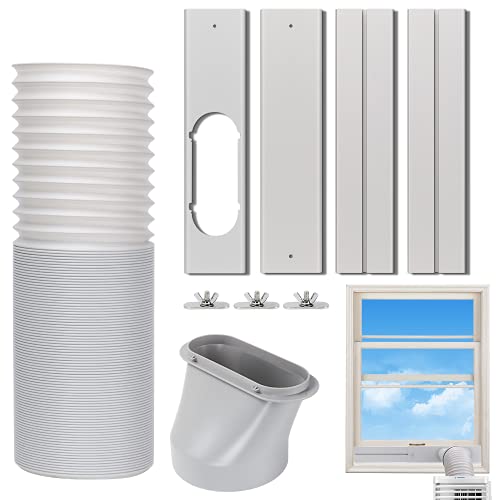
Portable Air Conditioner for Sliding Window: The Complete Guide
Everything you need to know: installation, venting kits, BTU sizing, energy efficiency, and top-rated models for sliding windows.
Shop Recommended ModelsWhy this guide matters: Sliding windows are common in many homes, but they present unique challenges for portable air conditioners. Unlike standard double-hung windows, sliding windows open horizontally, requiring specific venting kits and installation techniques. This guide covers everything you need to know to cool your space effectively with a portable AC unit.
Why Sliding Windows Need Special Consideration
Sliding windows (also called horizontal sliding windows) move left or right to open. This design makes it difficult to use standard window air conditioner units, which are typically designed for vertical-opening windows. However, portable air conditioners are an excellent alternative because they sit on the floor and only require a venting kit to exhaust hot air through the window.
Unlike through-the-wall AC units that require permanent installation, portable units are flexible and can be moved from room to room. But to work effectively with a sliding window, you need the right window attachment for portable air conditioner. Most portable ACs come with a standard window kit, but these are often designed for vertical windows. For sliding windows, you may need an adjustable kit or a custom solution.
How to Vent a Portable AC Through a Sliding Window
Venting is the most critical step. Without proper exhaust, the hot air from the condenser will remain in the room, reducing cooling efficiency. Here are the key points:
- Standard vs. Sliding Window Kits: Most portable ACs include a window kit with a panel that adjusts vertically. For sliding windows, you need a kit that adjusts horizontally. Some brands offer a portable air conditioner sliding window kit as an accessory.
- DIY Solutions: If your unit doesn’t include a horizontal kit, you can use a universal adjustable window seal. These are often made of plastic or foam and can be cut to fit the width of your window.
- Installation Steps:
- Measure the width of your window opening.
- Assemble the venting panel and adjust it to fit horizontally.
- Attach the exhaust hose to the panel and the unit.
- Close the window securely against the panel.
- Seal any gaps with weather stripping or foam tape to prevent hot air from entering.
What Size Portable AC Do You Need?
Choosing the right BTU capacity is essential. For a portable air conditioner, the general rule is:
- 100–150 sq ft: 8,000 BTU
- 150–250 sq ft: 10,000 BTU
- 250–400 sq ft: 12,000–14,000 BTU
- 400+ sq ft: 14,000+ BTU
However, if your room has large windows or is exposed to direct sunlight, you may need to increase the capacity by 10–20%. Also, consider that portable ACs are slightly less efficient than window air conditioner with inverter technology units, so it’s better to size up if you're between two options.
If you’re unsure, check our how to size an air conditioner guide for detailed calculations.
Efficiency, Noise, and Other Features
Modern portable ACs come with various features that affect performance and user experience:
- Inverter Technology: Units with portable air conditioner with inverter technology are quieter and more energy-efficient because they adjust compressor speed based on cooling demand.
- Dual Hose vs. Single Hose: Dual-hose models use one hose for intake and one for exhaust, which is more efficient because they don’t create negative air pressure in the room. However, they are usually more expensive and bulkier.
- Energy Efficiency: Look for units with high EER (Energy Efficiency Ratio) or those that are most energy-efficient portable air conditioners. A higher EER means lower operating costs.
- Noise Level: Portable ACs are generally louder than window units. Check the decibel (dB) rating – below 52 dB is considered quiet.
- Remote Control & Smart Features: Many models come with a remote, programmable timers, and even Wi-Fi connectivity for smart home integration.
Portable AC for Sliding Windows: Pros & Cons
✅ Pros
- No permanent installation – easy to move between rooms.
- Works with sliding windows using the right kit.
- Often includes a dehumidifier function.
- Can be stored away when not in use.
- Good for renters or temporary cooling.
❌ Cons
- Less energy-efficient than window units.
- Noisier than split systems or window ACs.
- Requires floor space near a window.
- Exhaust hose can be unsightly.
- May not cool as effectively in extremely hot climates.
Maintenance for Longevity and Efficiency
Like any air conditioner, a portable unit needs regular care to maintain performance:
- Clean the air filter: Most units have a washable filter that should be cleaned every 2–4 weeks. A dirty filter restricts airflow and reduces efficiency.
- Check the exhaust hose: Ensure it’s free from obstructions and not kinked.
- Drain the condensate: Many portable ACs self-evaporate, but in humid conditions, you may need to empty the water tank or attach a drain hose.
- Inspect the window kit: Make sure the seal is still tight and not letting hot air in.
For a complete checklist, see our AC maintenance guide.
Alternatives to Portable AC for Sliding Windows
If a portable AC isn’t the right fit for your space, consider these options:
- Casement window air conditioner installation kit: Some casement windows open outward, but there are specific kits for these as well.
- Window air conditioner: While not designed for sliding windows, some manufacturers offer models that fit horizontal openings.
- Ductless mini-split AC: A more permanent and highly efficient solution, but requires professional installation.
- Wall-mounted air conditioning unit: Another permanent option, often used in apartments or offices.
Each alternative has its own pros and cons in terms of cost, installation complexity, and efficiency.
FAQs About Portable AC for Sliding Windows
Can I use a portable AC with a sliding window?
Yes, you can. You just need a horizontal window kit or a universal adjustable seal. Most portable ACs come with a standard vertical kit, but you can purchase a sliding window kit separately or use a DIY solution.
Do I need a special adapter for a sliding window?
Often, yes. The standard kit usually adjusts vertically. For sliding windows, you’ll need a kit that adjusts horizontally. Check with the manufacturer or look for universal kits online.
Is a portable AC less efficient than a window unit?
Generally, yes. Window units are more efficient because they don't have the heat-generating components inside the room. However, portable ACs have improved significantly, especially those with dual hoses and inverter technology.
What BTU size do I need for a room with a sliding window?
The BTU size depends on the room size. Use the standard sizing guide (e.g., 8,000 BTU for up to 150 sq ft) but consider adding 10–20% if the room has large windows or gets a lot of sun.
Can I install a portable AC in a sliding door?
Yes, but you’ll need a special kit designed for sliding doors. These are larger panels that can be adjusted to fit the door's width.
Making the Right Choice
Choosing the right portable air conditioner for your sliding window comes down to understanding your room size, your budget, and your cooling needs. If you’re in a small apartment or a room with challenging windows, a portable AC is a flexible and effective solution. Just be sure to get the right window attachment and follow the installation steps carefully.
To help you make a decision, we’ve compiled a list of recommended models below. These are top-rated, energy-efficient, and compatible with sliding windows when used with the right kit.