Portable Air Conditioner Vertical Window Kit: Complete Guide
Everything you need to know about venting a portable AC through a vertical sliding window — adapter types, installation steps, sealing tips, and what to check before you buy.
Start LearningQuick summary: A vertical window kit is the adapter that connects your portable air conditioner's exhaust hose to a tall, narrow vertical sliding window. Choosing the right kit and sealing the opening properly directly affects cooling performance, energy use, and comfort in the room.
What This Guide Covers
What Is a Portable Air Conditioner Vertical Window Kit?
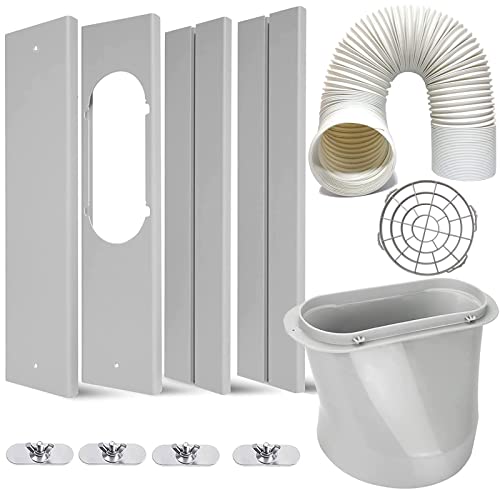
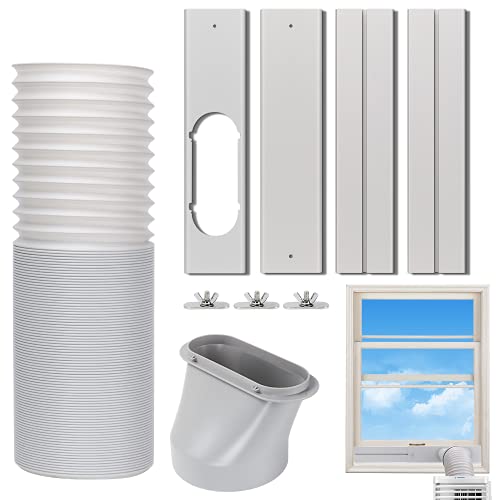
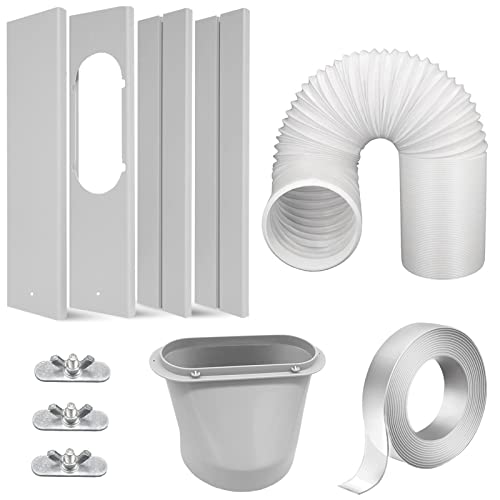
A portable air conditioner works by pulling heat out of the room and pushing it outside through an exhaust hose. The exhaust hose needs a secure exit point, and for many homes that exit point is a window. A portable air conditioner vertical window kit is the adapter system that lets you connect the exhaust hose to a vertical sliding window — the kind of window that moves up and down rather than side to side.
The kit typically includes a fabric or rigid panel that fills the open gap of the window, a hose connector or collar, and sealing strips. Because vertical windows have a tall, narrow opening, a standard horizontal kit often leaves gaps or sits loosely. A dedicated vertical kit is shaped and sized for this orientation, which improves both stability and the quality of the seal.
If you are still comparing window orientations, this guide to portable air conditioners for vertical windows explains how the window style affects the overall setup.
Types of Vertical Window Kits
Not all vertical kits are built the same way. The right choice depends on your window frame, the size of the opening, and how permanently you want the installation to be. Here is a comparison of the most common types.
| Kit Type | Best For | Key Consideration |
|---|---|---|
| Fabric panel kit | Renters and temporary setups | Flexible and easy to store, but needs careful sealing around the hose collar |
| Rigid plastic panel kit | Long-term seasonal use | More stable and durable; must match the window opening width and height |
| Sliding track kit | Windows with a smooth track | Slides into the frame for a snug fit; check track depth before ordering |
| Universal adjustable kit | Multiple window sizes | Adjustable panels cover a wider range, but verify the hose diameter fits your unit |
Fabric kits are popular in apartments because they pack away easily. Rigid kits tend to hold their shape better over time and are a solid choice for a permanent seasonal setup. If your window is a narrow sliding glass model, this guide on portable air conditioner sliding window kits covers related adapter options.
Starter tier
Basic fabric panels with a hose collar. Suitable for occasional use in a single room.
Mid-range
Adjustable rigid panels with better sealing strips. A balanced choice for regular seasonal use.
Premium
Custom-fit or heavy-duty panels with reinforced frames and multi-layer sealing for consistent performance.
How to Measure for a Proper Fit
Most vertical window kit problems come down to fit. Measure carefully before you order, because a panel that is too short leaves a gap, and one that is too wide will not sit flat in the frame.
- Window opening height: Measure the full vertical opening from the sill to the top of the window sash when the window is open enough to accept the panel.
- Window opening width: Measure the width of the frame channel where the panel will sit.
- Window track depth: Measure how deep the track is so the panel sits inside it securely.
- Exhaust hose diameter: Measure the outer diameter of your portable AC's hose and connector. Kits are often sold by hose size, and a mismatch means the hose will not lock in.
If your window opening is unusually narrow, this guide on portable air conditioners for small windows can help you plan around limited space.
Step-by-Step Installation
Installation is straightforward once the kit is the right size. Follow these steps to set up your vertical window kit safely and securely.
- Prepare the window. Clean the track and frame, then open the window enough to fit the panel. Remove any loose debris that could prevent a flat seal.
- Assemble the panel. Slide the adjustable sections to match your measured opening and lock them in place. If the kit uses a fabric panel, unfold it fully and align the zippered hose opening.
- Seat the panel in the frame. Place the bottom edge in the sill track first, then tilt the top into the upper track. Confirm the panel is vertical and does not wobble.
- Close the window against the panel. Lower the window sash so it rests snugly against the top of the panel. The sash should press the panel gently, not crush it.
- Attach the exhaust hose. Connect the hose collar to the panel opening and twist until it locks. Make sure the other end is connected to the portable AC's exhaust outlet.
- Seal the remaining gaps. Add foam strips or weatherstripping along the edges where the panel meets the frame and sash. Check the area above and below the panel as well.
- Test the airflow. Turn on the unit and feel around the panel edges for leaks. Warm air escaping back into the room indicates the seal needs work.
If your setup involves a different window style, such as a window that opens outward, the related guide on portable air conditioners for windows that open out covers alternative approaches.
Sealing Tips for Better Efficiency
A portable AC only cools effectively when the exhaust air leaves the room and does not leak back in. Sealing is the single most impactful improvement you can make to a vertical window kit installation.
- Use foam weatherstripping along the top sash and the sides of the panel. Compressible foam fills uneven gaps well.
- Add a secondary seal with foam tape or a draft stopper at the bottom of the panel if the sill is uneven.
- Keep the hose short and straight. Avoid sharp bends and avoid extending the hose beyond the manufacturer's recommended length, because both reduce exhaust airflow.
- Insulate the exhaust hose if it runs through a hot area. An insulated hose keeps heat from radiating back into the room.
- Close the window tightly against the panel. A loose sash lets hot outdoor air slip past the top of the kit.
For a closer look at hose design and airflow, see this overview of insulated exhaust hoses for portable air conditioners.
What to Look For Before Buying
When you are comparing vertical window kits, focus on fit, materials, and compatibility rather than marketing claims. These are the features that make the biggest practical difference.
- Adjustable height range: The panel should cover your measured opening with some margin on each end.
- Hose diameter compatibility: Confirm the kit's collar size matches your portable AC hose. Adapters exist, but a direct match is simpler.
- Panel material: Rigid panels hold their shape better over time; fabric panels are easier to store and remove.
- Sealing components included: Foam strips, weatherstripping, and a draft guard are useful additions that save you a separate trip.
- Window track compatibility: Check that the panel thickness fits your window track depth.
- Weather resistance: If the window faces direct sun or rain, look for UV-resistant or water-resistant panel materials.
If you plan to move the unit between rooms or take it on trips, this guide to portable air conditioners on wheels covers mobility features that pair well with a removable vertical window kit.
Common Mistakes to Avoid
These are the issues that most often reduce cooling performance or cause installation problems with vertical window kits.
- Using a horizontal kit on a vertical window. The panel will not align with the opening, which leads to gaps and a loose fit.
- Ignoring the hose diameter. A hose that does not lock into the collar can slip out under pressure.
- Skipping the top and bottom seals. The sash-to-panel gap and the sill gap are the most common leak points.
- Bending the exhaust hose sharply. Tight bends trap warm air and reduce cooling efficiency.
- Leaving the window sash loose. The window must press against the panel to keep the assembly stable.
- Forgetting to check the track depth. A panel that is too thick will not sit inside the frame.
If you are troubleshooting a setup that is already installed, the guide on portable air conditioners not cooling enough walks through the likely causes.
Frequently Asked Questions
What is a portable air conditioner vertical window kit?
It is an adapter system that lets you vent a portable AC through a vertical sliding window. It usually includes a panel, a hose connector, and sealing components sized for tall, narrow window openings.
Can I use a standard window kit on a vertical window?
A standard horizontal kit often does not seal properly on a vertical window because the opening orientation is rotated. A vertical kit is designed for the shape and track of a vertical sliding window.
Do I need to seal the gap above and below the panel?
Yes. Sealing the remaining gap prevents hot outdoor air from entering and keeps the exhaust hose stable. Foam weatherstripping is usually enough to close these gaps.
How long should the exhaust hose be?
Keep the hose as short and straight as the manufacturer allows. Extending it beyond the recommended length or adding sharp bends reduces airflow and lowers cooling performance.
Will a vertical window kit work with a casement window?
No. Casement, crank-out, and push-out windows need different adapters. A vertical kit is intended for vertical sliding windows only.
Final Thoughts
A portable air conditioner vertical window kit is a small component that has an outsized effect on how well your portable AC performs. Measure the opening, match the hose diameter, seal the edges, and keep the exhaust path short and straight. With those basics in place, a vertical window setup can deliver consistent cooling without the drafts and leaks that come from a loose fit.
If you are still deciding between window styles, the overview of portable air conditioners for vertical sliding windows is a useful next step. For a broader look at the category, the main portable air conditioner guide covers unit selection, sizing, and maintenance.